


Veterinary professionals examine how AI can support everyday practice
LONDON, 27 October 2026: Veterinary professionals are increasingly exploring how artificial intelligence can support clinical and operational workflows, from reducing repetitive administrative work to assisting with triage and developing digital tools for clients.
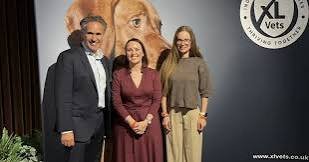
The discussion gained fresh attention following XLVets’ Future Horizons: Exploring AI in Practice event in central London. Reported by Vet Times on 26 October, the event attracted more than 60 industry professionals and featured a keynote address from author and AI specialist Richard Susskind.
XLVets described the gathering as its most successful event of this type to date. Discussions covered real-world applications, governance considerations and emerging tools, with participating practices sharing examples of how they are experimenting with AI.
Source: Vet Times — Vets unite for AI in practice day
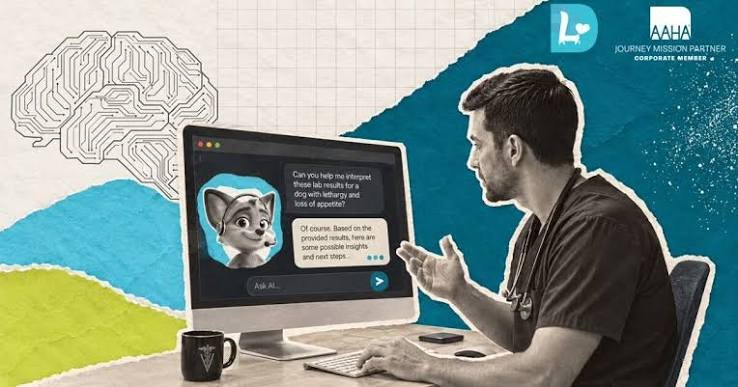
- Triage Support: Utilizing large language models (LLMs) to assist veterinary teams in initial case assessment and triage.
- Administrative Automation: Implementing AI tools to handle repetitive practice tasks, reducing burnout and paperwork.
- Client-Facing Tools: Developing specialized tools like calf health apps to improve livestock and farm animal management.
- Keynote Insights: Featuring presentations from AI specialist Richard Susskind, Kerrie Hedley (CEO at XLVets), and Serina Filler from Pennard Vets on scaling technology responsibly
Broader Veterinary AI Trends (2026 Context)
- High Adoption: Over 83% of veterinary professionals now use AI in their daily or weekly workflows, more than doubling adoption rates since 2024
- Clinical Documentation: AI scribes and automated SOAP (Subjective, Objective, Assessment, Plan) note generation are the most widespread applications
-
Maturity Gap: While adoption is high, many practices still lack a formal AI strategy, governance model, or workflow redesign

