


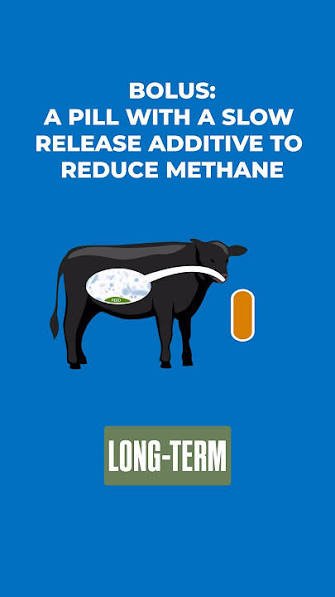
Slow-release boluses and experimental vaccines feature in New Zealand’s methane-reduction pipeline
NEW ZEALAND — October 2026: New Zealand continues to develop technologies intended to reduce methane emissions from cattle, with slow-release boluses and experimental vaccines among the approaches being investigated. These technologies could eventually give dairy and beef producers additional options for lowering the environmental footprint of ruminant livestock.
The developments are relevant to India and other major milk-producing countries, where methane reduction must be balanced against animal health, productivity, feed availability, farmer economics and the practicalities of large-scale deployment.
It is important to distinguish research and regulatory assessment from commercial availability. New Zealand’s Ministry for the Environment has identified a methane-inhibiting bolus being developed by Ruminant Biotech as a technology progressing through the regulatory process for beef cattle. The government’s emissions-reduction planning has also identified work on methane vaccines, including anticipated animal-trial activity. These are different technologies at different stages, not evidence that a universal methane-reduction treatment is already available for all dairy herds.
How does a slow-release methane bolus work?
A bolus is an oral device administered to an animal, generally designed to remain in the rumen and release an active substance over time. A methane-inhibiting bolus aims to alter rumen microbial activity or the biochemical pathways responsible for methane formation.
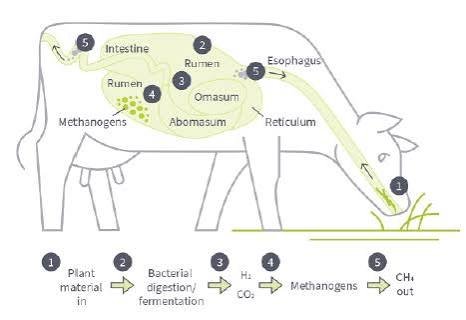
Methane is produced during rumen fermentation by microorganisms known as methanogens. It is released mainly through belching and represents a loss of energy that could otherwise contribute to animal productivity.
A sustained-release delivery system could offer a practical advantage in grazing systems because it may reduce the need for frequent administration. However, performance depends on the active ingredient, release profile, animal physiology, grazing conditions, duration of action, safety and cost.
The term “slow-release capsule” should therefore not be interpreted as a proven long-duration solution until product-specific efficacy and duration claims have been substantiated.
Could a methane vaccine work?
Methane vaccines seek to stimulate an animal’s immune system to produce antibodies targeting selected rumen microorganisms or their components. The intended effect is to suppress methane-producing activity without materially disrupting the microbial processes needed for digestion and animal productivity.
Research has explored whether antibodies generated in the animal could reach the rumen environment and influence methanogens. The approach is scientifically promising, but vaccine development faces significant challenges, including identifying suitable targets, producing a sufficiently broad and durable immune response, and demonstrating consistent reductions in methane under real farming conditions.
A vaccine would need to be assessed not only for emissions reduction but also for milk yield, feed intake, fertility, animal welfare and the persistence of its effect. Results from laboratory experiments cannot by themselves establish commercial efficacy in grazing dairy herds.
Why New Zealand’s research matters internationally
New Zealand has a large pasture-based livestock sector and strong incentives to develop technologies that work in grazing systems. The country’s government has identified several methane-reduction options, including bolus technologies, vaccines and other biological approaches.
If a technology is shown to be effective, safe and affordable, potential benefits could include:
-
Lower methane emissions per animal or per unit of milk or meat.
-
Additional tools for meeting supply-chain sustainability targets.
-
Better integration of emissions reduction into routine livestock management.
-
Opportunities for veterinary, biotechnology and animal-nutrition companies to develop new products.

