


MELTON MOWBRAY, United Kingdom | 10 November 2026
Mars, Incorporated has announced a £161 million investment to modernise and future-proof its historic pet nutrition manufacturing facility in Melton Mowbray, Leicestershire.
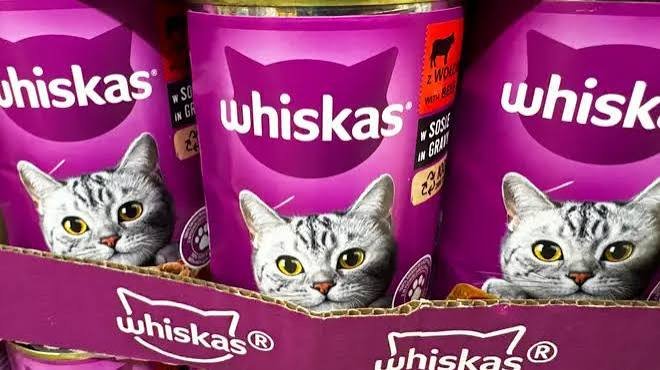
The investment represents a significant commitment to the UK’s pet-food manufacturing industry and forms part of Mars’ wider programme of capital expenditure across its British operations. The factory, which has been producing pet nutrition products for approximately 75 years, is an important manufacturing location for the company’s WHISKAS® and other pet-food brands.
The latest investment will introduce advanced manufacturing technologies, more efficient production systems and new packaging capabilities designed to improve operational efficiency and environmental performance.
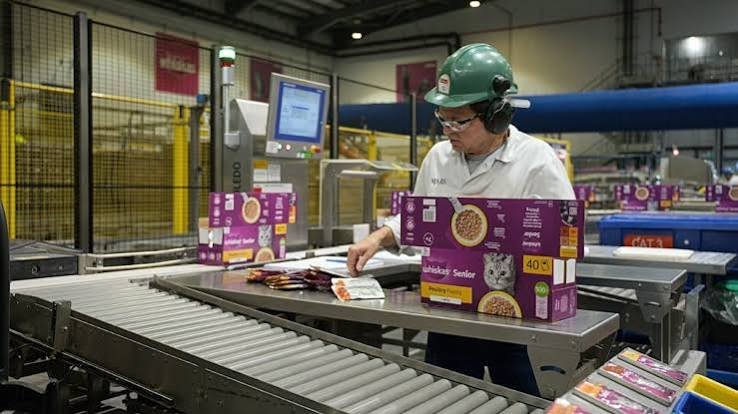
£161 million investment: Key manufacturing upgrades
The investment programme will focus on three principal areas.
1. High-speed, recyclable pet-food packaging lines
Mars plans to install new high-speed pouch production lines that will support a transition to fully recyclable mono-polypropylene (mono-PP) packaging.
This is an important development for the pet-food sector, where flexible packaging has traditionally relied on multilayer materials that can be difficult to recycle through conventional systems.
Mono-material packaging is intended to improve recyclability while maintaining the functional requirements of pet-food packaging.
2. Smart optical sorting technology
The factory will introduce advanced optical sorting systems designed to reduce production waste by more than 50%.
Such systems can identify and separate unsuitable materials during manufacturing, helping improve product consistency and reduce wastage.
3. Modernised utilities and automated manufacturing
The investment also includes upgrades to manufacturing equipment, site logistics and automated handling systems.
The objective is to improve production efficiency, strengthen operational resilience and support future demand.
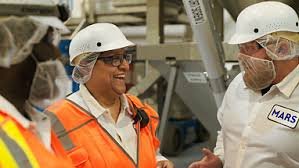
More than 30 new skilled jobs planned
The investment will create more than 30 technical and engineering roles during its first year. The company also plans to expand the permanent apprenticeship programme at the Melton Mowbray facility.
Employment indicator |
Current / planned position |
|---|---|
Existing apprentices |
26 |
Planned apprentices by 2027 |
33 |
Additional first-year skilled roles |
More than 30 |
Existing UK Mars workforce |
More than 10,000 |
Mars also reports employing more than 140 apprentices across its wider UK business, with training programmes that include artificial intelligence, digital systems and data analytics. The company reports a 97% permanent placement offer rate for apprentices completing its programme.
Mars’ wider UK investment reaches £661 million since 2021
The Melton Mowbray commitment takes Mars’ cumulative investment in its UK manufacturing and operational network to approximately £661 million since 2021. The investment follows a £190 million commitment to its Slough chocolate manufacturing facility announced earlier in 2026.
Mars also previously invested £1.2 million in upgrades to its pet nutrition research and development hub in Birstall.
The company operates eight manufacturing facilities in the UK and employs more than 10,000 people. The wider business includes pet nutrition manufacturing, veterinary services and animal-health research.
Melton Mowbray’s role in the UK pet-food market
The factory is a strategically important part of Mars’ British pet nutrition supply chain. Approximately 95% of products manufactured at the site are supplied to UK households, with the remaining 5% exported to European markets.
Mars estimates that its products reach approximately:
-
9.7 million cats in the UK
-
8.8 million dogs in the UK
The company’s WHISKAS brand alone feeds an estimated 6.6 million cats in the country. The investment therefore has implications beyond a single manufacturing location, supporting a substantial domestic distribution network.
Sustainability and manufacturing efficiency
One of the most commercially important aspects of the investment is the focus on packaging recyclability and production waste reduction. The pet-food industry faces increasing pressure to improve packaging sustainability while maintaining product safety, shelf life and manufacturing efficiency.
The transition to mono-PP pouch formats could support improvements in material recyclability, subject to appropriate collection and recycling infrastructure.
The optical sorting technology is also intended to reduce production waste by more than half. These developments could help reduce material losses and improve manufacturing efficiency.
Implications for the global animal-health and pet-nutrition industry
Mars’ investment demonstrates that large pet-care companies continue to commit significant capital to manufacturing infrastructure despite cost pressures across the broader food and consumer-goods industries. For competitors, it highlights several important trends:
-
Increased automation in pet-food manufacturing.
-
Greater investment in sustainable packaging.
-
Expansion of production capabilities for premium pet nutrition.
-
Increasing use of digital technologies in manufacturing.
-
Greater emphasis on technical skills and engineering talent.

