


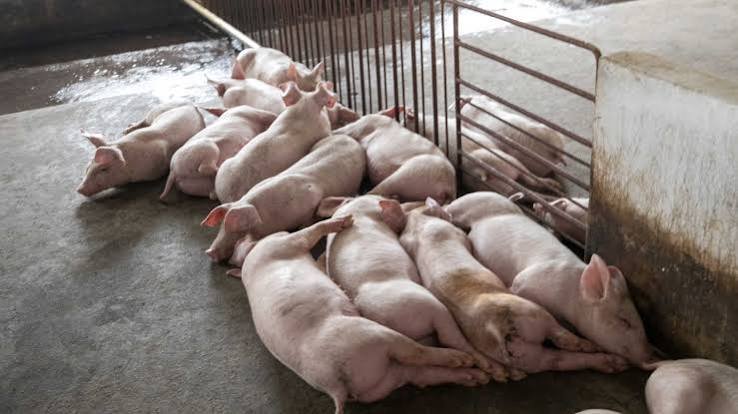
Vietnam is facing a significant African swine fever (ASF) challenge, with renewed outbreaks across multiple provinces, substantial pig losses and intensified government intervention.
The situation is particularly concerning because outbreaks are occurring across a combination of commercial and smallholder production systems, where differences in farm biosecurity, animal movement and disease surveillance can complicate containment.
Recent developments in Hanoi, Dak Lak and Thanh Hoa demonstrate that the disease remains geographically widespread, despite ongoing vaccination and disease-control programmes. The scale of the national outbreak is also raising concerns about pig supply, farm profitability, pork prices and the long-term sustainability of smallholder pig production.
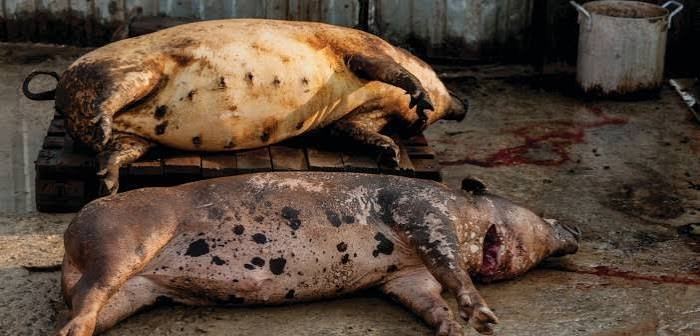
Vietnam’s national ASF situation: 2026
According to Vietnam’s Department of Livestock Production and Animal Health, the national situation had reached the following scale in late October and early November reporting.
Indicator |
Reported position |
|---|---|
ASF outbreaks |
1,294 |
Villages affected |
3,541 |
Provinces and centrally administered cities affected |
31 |
Pigs destroyed |
167,755 |
These figures come from a Thanh Hoa provincial report referencing the national animal disease information system. They represent a reported cumulative position and should not be added to the provincial figures below, which are already included in the national total.
The FAO’s 15 October regional update had recorded 1,137 outbreaks across 31 provinces and more than 154,340 pigs destroyed as of 5 October. The subsequent figures indicate continued deterioration during October.
1. Hanoi: 5,985 pigs culled across 47 affected households
Hanoi’s agriculture authorities have stepped up supplementary pig vaccination after ASF was reported in 47 households across 16 communes.
Pigs culled – 5,985
Pig vaccination coverage reported for both ASF and FMD programmes – 90,630
Progress against vaccination plan – 93%
Pig population at end-September – 1,243 Mn
The Deputy Director of Hanoi’s Department of Agriculture and Environment, Ta Van Tuong, has stated that the authorities aim to achieve 100% vaccination coverage under the planned programme. Supplementary vaccination is being pushed during November to close the remaining gaps.
Additional disease-control challenges in Hanoi
The capital is simultaneously managing several other animal-health concerns.
-
H5N1 avian influenza: 5,680 poultry culled
-
Rabies: Nine confirmed animal cases across six communes
-
Cattle FMD vaccination: 84,025 animals, representing approximately 90.3% of the plan
-
Lumpy skin disease vaccination: 94,350 animals, representing approximately 90.2% of the plan
The city had approximately 38.4 million poultry, 1.243 million pigs, more than 107,000 cattle and approximately 26,500 buffalo at the end of September.
This concentration of livestock makes coordinated veterinary surveillance and movement control particularly important.
Hanoi’s planned control measures
The authorities are pursuing the following interventions:
-
Supplementary vaccination: Complete the remaining pig vaccination programme and target 100% planned coverage.
-
Animal movement controls: Strengthen inspections of the movement and transportation of pigs and animal products.
-
Quarantine checkpoints: Maintain five inter-sector checkpoints to monitor animal and animal-product transportation.
-
Slaughterhouse surveillance: Intensify inspections of slaughter facilities and high-risk animal supply chains.
-
Expanded disease surveillance: Increase sampling and monitoring in affected areas, markets and collection centres.
-
Veterinary capacity building: Train local veterinary personnel to improve early detection and outbreak response.
-
Farm biosecurity: Improve disinfection, sanitation and prevention of disease introduction between farms.
The city is also increasing inspections in areas considered particularly vulnerable to disease introduction and transmission.
2. Dak Lak: More than 11,600 pigs destroyed as outbreaks persist
Dak Lak province is experiencing another substantial wave of ASF infections. Between October and early November, 27 households across seven communes reported renewed outbreaks.
More than 350 pigs were dead or destroyed during this period, representing approximately 20 tonnes of livestock. The cumulative 2026 situation reported by early November was considerably larger.
Indicator |
Reported figure |
|---|---|
Affected households |
279 |
Affected villages/hamlets |
131 |
Affected communes and wards |
46 |
Pigs dead or destroyed |
More than 11,600 |
Total livestock weight |
Nearly 650 tonnes |
Locations with outbreaks not yet cleared for 21 days |
20 communes and wards |
The continued presence of active outbreaks indicates that the disease is not yet under control.
3. Thanh Hoa: 8,585 pigs destroyed across 26 communes and wards
Thanh Hoa province is another important ASF hotspot. Since the beginning of 2026, ASF has affected 463 households across 162 villages in 26 communes and wards.
A total of 8,585 pigs, weighing approximately 543,126 kg, have been destroyed. The provincial government issued Official Dispatch No. 08/CĐ-UBND on 23 October 2026, directing more coordinated and intensive prevention and control measures.
4. Vietnam’s national ASF strategy: 2026–2030
One of the most important structural developments is Vietnam’s new National Plan for the Prevention and Control of Animal Diseases for 2026–2030.
The plan expands the national disease-control framework and includes ASF, FMD and avian influenza. According to the FAO’s regional situation update, the national strategy prioritises:
-
Increasing vaccination coverage.
-
Establishing disease-free zones and facilities.
-
Strengthening controls throughout the animal-derived food chain.
-
Improving diagnostic laboratory capacity.
-
Improving early outbreak detection and response.
-
Strengthening veterinary surveillance and epidemiological information.
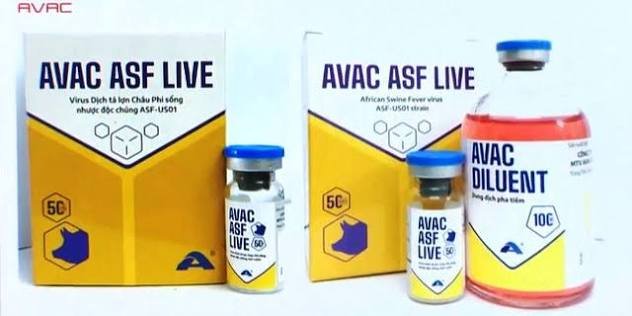
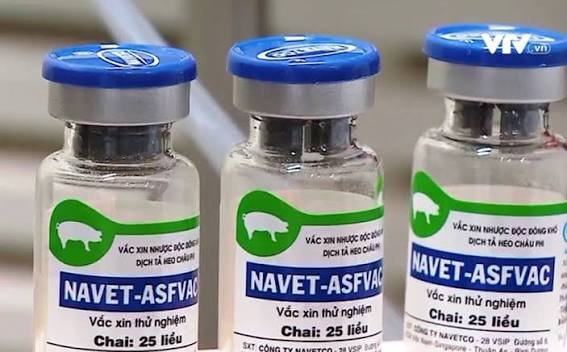
Vietnam has already developed a domestic ASF vaccine industry, with multiple licensed products.
Vaccine |
Manufacturer |
Regulatory milestone |
|---|---|---|
NAVET-ASFVAC |
NAVETCO |
Licensed June 2022 |
AVAC ASF LIVE |
AVAC |
Licensed February 2023 |
DACOVAC-ASF2 |
DABACO Group |
Licensed March 2025 |
The availability of domestically developed ASF vaccines is strategically important for Vietnam because of the country’s substantial pig population and continued exposure to ASF.
An important vaccine-efficacy consideration: Recombinant ASF viruses
The FAO’s regional report highlights a particularly important scientific development. Sequencing conducted in 2026 found that 83.6% (357 of 427) of representative ASF virus samples were recombinant viruses involving genotype I and genotype II.
This is important because the circulating virus population is genetically complex. It strengthens the need for ongoing genomic surveillance, appropriate vaccine selection and post-vaccination field monitoring.
Vaccine suitability should be evaluated against circulating strains, the approved product indication and the quality of field evidence. The presence of licensed vaccines should not be interpreted as proof that vaccination alone can eliminate ASF from an affected region.
Commercial implications for the animal-health industry
Vietnam’s ASF situation has several important implications for animal-health companies.
Segment |
Commercial opportunity |
|---|---|
ASF vaccines |
Domestic vaccine manufacturing and field deployment |
Diagnostics |
PCR testing, surveillance and strain identification |
Disinfectants |
Farm sanitation and livestock transport biosecurity |
Veterinary services |
Farm-level surveillance and outbreak response |
Feed and nutrition |
Supporting recovery and productivity in unaffected herds |
Farm technology |
Livestock traceability and disease-monitoring platforms |
Cold chain |
Distribution and storage of veterinary biologicals |
Outlook: ASF remains a major threat to Vietnam’s pig-production economics
The combination of widespread provincial outbreaks, substantial cumulative culling and continuing infections demonstrates that ASF remains a major challenge for Vietnam’s livestock industry.

