HomeCorporateVetology Opens AI-Powered Radiology Screening Platform Free to Veterinary Schools

Vetology Opens AI-Powered Radiology Screening Platform Free to Veterinary Schools

SAN DIEGO, United States | 10 November 2026

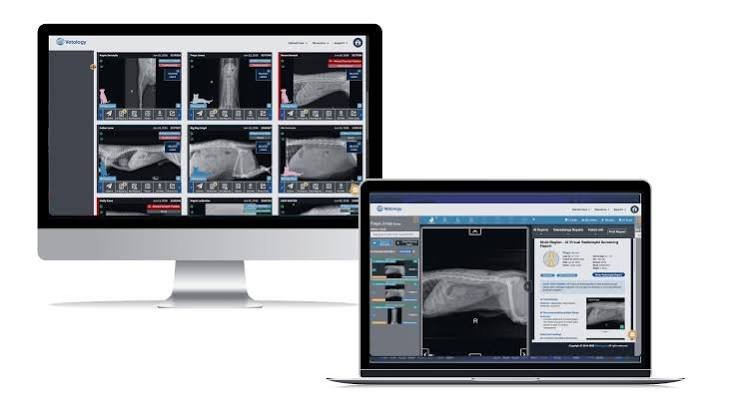
US veterinary artificial intelligence company Vetology Innovations is expanding access to AI-assisted veterinary diagnostics by making its radiology screening subscription available free of charge to veterinary schools and veterinary technology programmes.
The initiative is intended to help veterinary students develop diagnostic imaging skills by comparing their own radiographic interpretations with AI-generated screening reports. It also represents a strategic move to introduce AI-assisted diagnostic workflows earlier in veterinary education, potentially accelerating adoption across the wider veterinary profession.

94 imaging classifiers across canine and feline radiology

Vetology’s AI screening platform incorporates 94 classifiers covering three principal imaging categories:

  • Thoracic radiography.

  • Abdominal radiography.

  • Musculoskeletal radiography.

The company reports that its technology was developed using approximately 300,000 multi-image patient cases.

Students can submit radiographic studies and compare the platform’s screening findings with their own interpretations. This creates an additional learning opportunity for understanding anatomical positioning, recognising abnormalities and improving consistency in image assessment.

Importantly, the educational subscription covers AI screening reports rather than the company’s separate teleradiology consultation services. Vetology also states that performance data are published for individual classifiers, providing an additional reference for users evaluating the platform’s capabilities.

Addressing the shortage of veterinary imaging specialists

A key rationale for the programme is the shortage of board-certified veterinary diagnostic imaging specialists.

Vetology cites approximately 1,100 veterinarians holding diagnostic imaging board certification through the American College of Veterinary Radiology and the European College of Veterinary Diagnostic Imaging.

The company estimates that more than 163 million dogs and cats live in US households, highlighting the considerable gap between the companion-animal population and the availability of specialist imaging expertise.

Although AI screening cannot replace comprehensive specialist interpretation, it can provide an additional layer of diagnostic support for general veterinary practitioners and students.

Perfect Shot: Improving radiographic positioning and image quality

Beyond abnormality detection, Vetology is developing another product called Perfect Shot. The proposed functionality is designed to identify missing radiographic views and positioning errors while the patient is still available for additional imaging.

This could reduce unnecessary repeat appointments, improve diagnostic completeness and minimise delays associated with technically inadequate radiographs.

The company has indicated that Perfect Shot is intended to be offered as a free add-on, although a commercial release date has not been announced.

Commercial implications for the veterinary diagnostics industry

The development highlights a broader shift in veterinary diagnostics: AI is moving beyond specialist radiology departments and into general clinical practice and professional education. Three potential consequences deserve attention.

1. AI-assisted diagnostics may become a standard veterinary competency

Students who routinely use AI-supported imaging during training may be more comfortable incorporating automated screening into their future clinical workflows.

2. General veterinary practices could gain access to more sophisticated screening capabilities

In regions with limited access to specialist radiologists, automated preliminary assessment may help identify cases requiring referral or additional investigation.

3. Educational adoption creates a future commercial ecosystem

Offering free educational access may build product familiarity among future veterinary practitioners. The longer-term commercial opportunity lies in converting this familiarity into paid clinical adoption.

However, the number of classifiers and the size of the training dataset should not be treated as substitutes for independent clinical validation. Sensitivity, specificity, predictive values, false-positive rates and performance across different breeds and equipment platforms remain essential evaluation criteria.

Outlook

Vetology’s initiative is a noteworthy development in the democratisation of veterinary diagnostic technology. By introducing AI radiology screening into veterinary education, the company is positioning itself within a potentially expanding market for AI-assisted clinical decision support.

The most important question will be whether educational adoption translates into measurable improvements in diagnostic accuracy, workflow efficiency and clinical outcomes.

Animal Health India Editorial Team
Animal Health India Editorial Teamhttps://animalhealthindia.com
Animal Health India (AHI) is an independent news and intelligence platform covering the global animal health, veterinary, livestock, poultry, companion animal and pet food sectors. Our editorial team comprises veterinary journalists, animal health professionals, regulatory affairs specialists and industry analysts with over 30 years of combined experience covering India, Asia, Europe and North America. AHI publishes news, regulatory updates, market intelligence and company news drawn from primary sources including DAHD, EMA, USDA, AVMA and leading veterinary publications worldwide.
RELATED ARTICLES