


African Swine Fever Detected in Bhutan Wild Pigs Near Human Settlements, Raising Border Alerts
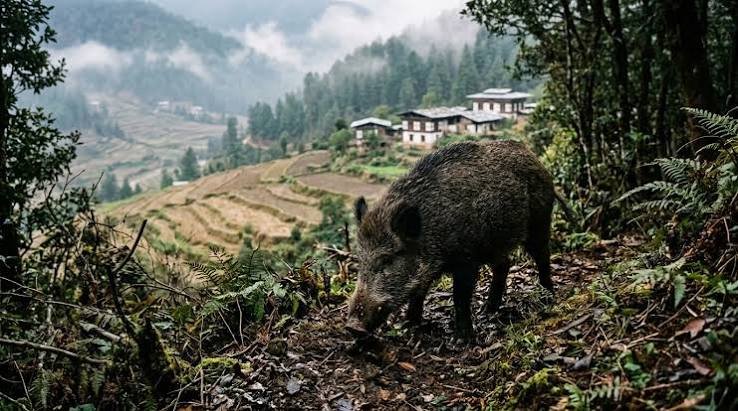
Veterinary researchers and national animal health authorities in Bhutan have confirmed African Swine Fever (ASF) virus in wild pigs discovered dead near human settlements in Bumthang and Dagana districts, raising fresh transboundary biosecurity alarms across the eastern Himalayas. Detailed in newly published surveillance findings from Bhutan’s National Centre for Animal Health (BMC Veterinary Research), the detections were verified using gold-standard real-time polymerase chain reaction (PCR) assays.
While ASF has caused devastating mortality in domestic backyard and semi-commercial pig farms across Bhutan and Northeast India since its regional emergence, laboratory confirmation of the virus circulating in free-ranging wild boars (Sus scrofa) close to agricultural villages marks a major epidemiological complication. Unlike domestic herds—where movement bans, culling, and farm disinfection can eliminate viral reservoirs—wild boar populations move freely across rugged forested terrain and international borders, acting as a persistent, difficult-to-control maintenance host.
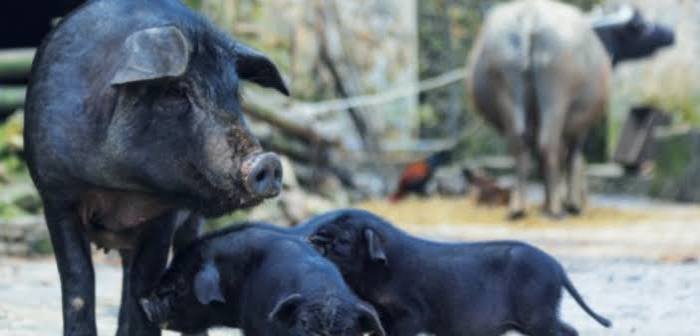
In Bumthang and Dagana, wild pigs frequently forage near village crop fields and household waste dumps, creating direct and indirect contact pathways with free-roaming domestic pigs, contaminated swill, and scavenging animals. Because the ASF virus is extraordinarily resilient in the environment—surviving for months in chilled pork, blood, soil, and contaminated footwear or vehicle tires—a single infected wild boar carcass can seed outbreaks across multiple domestic piggeries if not rapidly located and safely incinerated or buried with quicklime.
For neighbouring Indian states—particularly Assam, West Bengal, Arunachal Pradesh, and Sikkim, where piggery forms a vital cornerstone of rural livelihoods and nutrition—the Bhutan wild-pig findings reinforce the urgent need for heightened forest-edge surveillance. Veterinary epidemiologists advise smallholder pig farmers across the Himalayan foothills to enforce strict double-fencing, prohibit swill feeding unless food waste is thoroughly boiled for at least 30 minutes, restrict visitor entry into pig pens, and report any unusual wild boar or domestic pig mortality immediately to district veterinary officers.

