


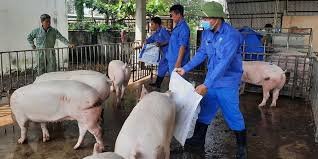
Negros Oriental is moving ahead with government indemnification for culled pigs, highlighting the importance of farmer compensation in African swine fever control.
The Philippine province of Negros Oriental is preparing to compensate hog farmers whose pigs were culled because of African swine fever (ASF), as the disease continues to affect parts of the province.
According to a report published by eFeedLink on 24 November, Tanjay City is due to receive nearly PHP700,000 (approximately US$11,900) during the first week of December. Other affected localities, including Bayawan City, Valencia and Bais City, may also receive compensation after completing the required documentation.
The provincial veterinary office said four of the nine local government units previously affected by ASF still had active cases. Of 980 samples tested by the provincial laboratory during the year, 388 were positive.
Compensation linked to pig category
Under the Philippine government’s ASF indemnification programme, compensation rates vary according to the production category of the animal:
-
PHP4,000 per weaner.
-
PHP8,000 per grower or fattener.
-
PHP12,000 per breeder.
The provincial veterinary office said the indemnification process was progressing more quickly because national government funds were available.
Farmers seeking compensation must provide the required supporting documentation, including laboratory results.
Why compensation matters in ASF control
African swine fever is a highly contagious viral disease affecting domestic pigs and wild boar. It can cause high mortality and severe economic losses, particularly in smallholder production systems.
There is currently no widely available commercial vaccine that can be relied upon as a universal solution for ASF control. Disease management therefore depends heavily on biosecurity, early detection, movement controls, isolation and, where required, humane culling.
Compensation can influence how quickly farmers report suspected disease. If producers believe that reporting an outbreak will result in uncompensated financial losses, they may delay notifying veterinary authorities or move animals before restrictions are imposed.
A credible indemnification system can improve cooperation with veterinary services and reduce incentives to conceal infection.
However, compensation alone cannot control ASF. It must be supported by laboratory confirmation, farm-level biosecurity, proper carcass disposal, cleaning and disinfection, movement traceability and surveillance in neighbouring farms.

