

HomeCompanion AnimalsAccidental Apoquel Exposure Prompts Safety Alert, with Cats Particularly Affected

Accidental Apoquel Exposure Prompts Safety Alert, with Cats Particularly Affected

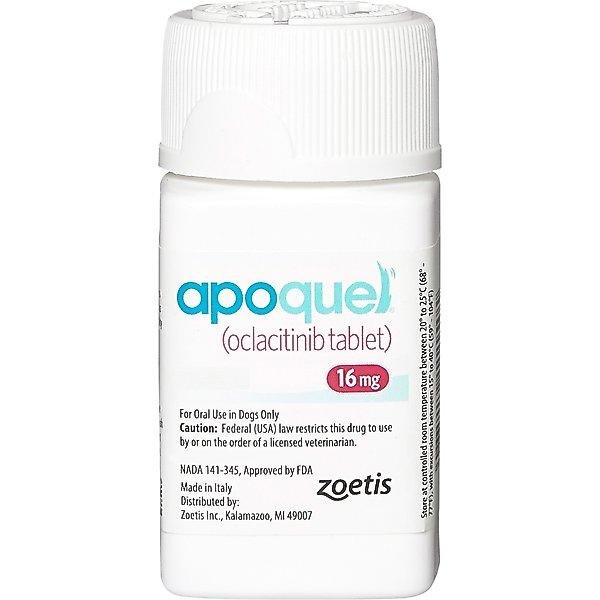
An increase in calls involving accidental exposure to Apoquel (oclacitinib), a prescription medicine used to manage allergic and inflammatory skin disease in dogs, has prompted renewed attention to veterinary medication safety in multi-pet households.

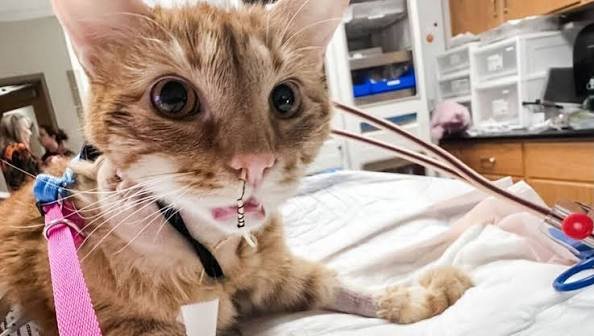
Pet Poison Helpline has reported a rise in calls involving accidental ingestion of the drug, including cases involving cats that accessed medication prescribed for dogs. A report citing US Food and Drug Administration data said the agency had received 259 overdose reports in dogs and 64 in cats since June 2023. These figures represent reported events and should not be interpreted as incidence rates or proof of a recent increase in population-level risk.
apoquel-accidental-ingestion-veterinary-safety-alert

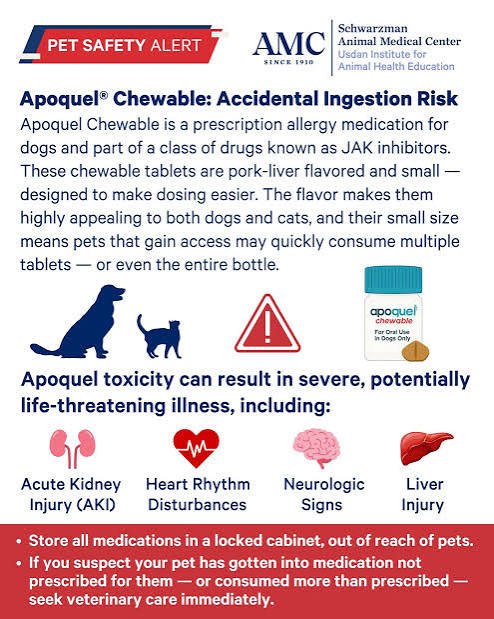
Accidental ingestion can expose an animal to a dose or treatment context different from that intended by the prescribing clinician. The risk depends on the amount ingested, the animal’s species, body weight, health status and other relevant factors. Cats are of particular concern because the medicine is not approved for routine use in that species, and the safety profile cannot be assumed to be equivalent to its use in dogs.
apoquel accidental ingestion safety alert

Medication storage and owner communication are central

The reported cases highlight a familiar but preventable household risk: medicines prescribed for one animal may be accessible to another. This is especially relevant in homes with both dogs and cats, where pets may share spaces, explore bags or access medication containers left on counters.

Veterinary practices can reduce risk by reinforcing clear dispensing instructions, advising owners to store medicines securely and explaining what to do if an animal consumes an unintended dose. Owners should not attempt to induce vomiting or administer home remedies unless specifically instructed by a veterinary professional or poison-control service.

Suspected overdose or accidental ingestion warrants prompt veterinary advice. Waiting for symptoms can delay assessment and appropriate care.

Implications for the veterinary pharmaceutical sector

Medication-safety communications are important to maintaining confidence in veterinary therapeutics. They also demonstrate why post-market surveillance, clear labelling, owner education and accessible veterinary advice remain essential throughout a product’s lifecycle.

The reported cases do not establish a product defect or demonstrate that Apoquel is unsafe when used as directed in its approved canine indications. Rather, they point to the risks associated with unintended exposure and inappropriate use.

For veterinary professionals, the practical message is straightforward: ensure that owners understand the medicine’s intended use, dose, storage requirements and response steps in the event of accidental ingestion.

Animal Health India Editorial Team
Animal Health India Editorial Teamhttps://animalhealthindia.com
Animal Health India (AHI) is an independent news and intelligence platform covering the global animal health, veterinary, livestock, poultry, companion animal and pet food sectors. Our editorial team comprises veterinary journalists, animal health professionals, regulatory affairs specialists and industry analysts with over 30 years of combined experience covering India, Asia, Europe and North America. AHI publishes news, regulatory updates, market intelligence and company news drawn from primary sources including DAHD, EMA, USDA, AVMA and leading veterinary publications worldwide.
RELATED ARTICLES