

HomePoultryN-Carbamylglutamate Supplementation Improves Growth and Gut-Microbiota in Huoyan Geese

N-Carbamylglutamate Supplementation Improves Growth and Gut-Microbiota in Huoyan Geese

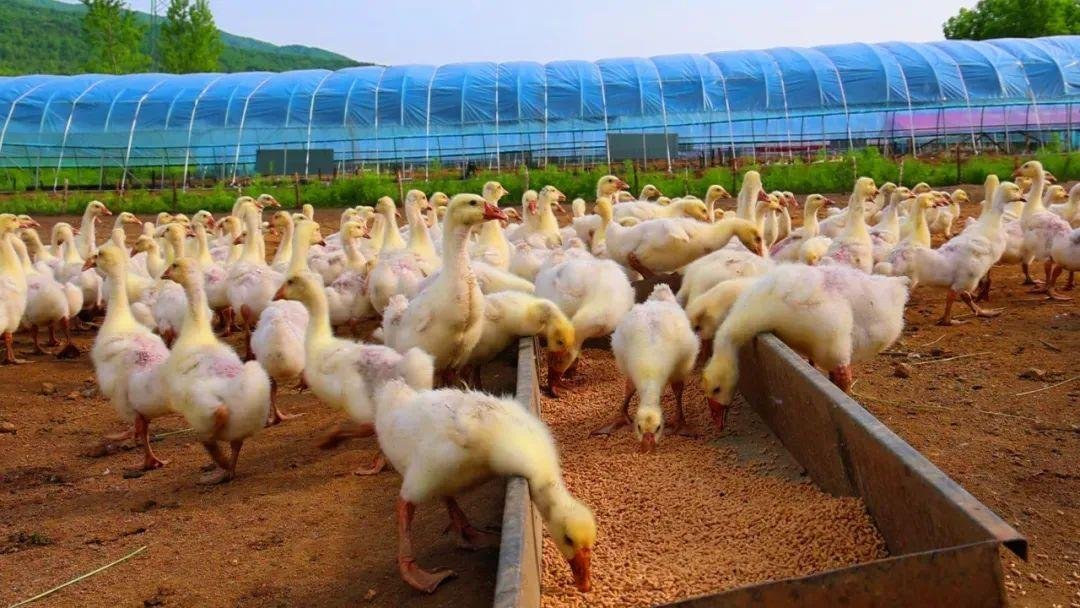
New research examining N-carbamylglutamate (NCG) supplementation in Huoyan geese has reported improvements in selected growth and meat-quality measures, alongside changes in intestinal microbial characteristics. The findings add to the expanding research into functional feed ingredients and amino-acid metabolism in poultry nutrition.

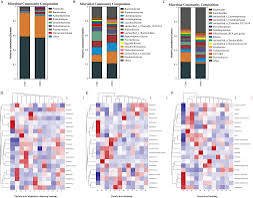
The study, highlighted in research coverage on October 2, 2026, evaluated dietary NCG supplementation and reported positive effects at an inclusion level of 0.06%. The researchers also observed changes in the cecal microbiota, suggesting that the nutritional intervention may influence aspects of intestinal microbial ecology alongside selected production-related outcomes.

NCG is a compound studied for its role in pathways associated with arginine synthesis and nitrogen metabolism. Arginine is involved in several physiological processes, including protein synthesis, immune function and metabolic regulation. NCG has consequently attracted research interest as a potential nutritional strategy in selected animal-production systems.

In poultry nutrition, the relationship between feed composition, growth performance, intestinal health and nutrient utilisation is complex. Functional feed ingredients are often evaluated not only for their direct nutritional contribution but also for possible effects on digestion, metabolism, microbial populations and production efficiency.
N-carbamylglutamate in poultry nutrition

Interpreting the research findings

The reported results are promising as a research signal, but they should be interpreted within the limits of the experimental design. A response observed in Huoyan geese cannot automatically be extrapolated to commercial broilers, ducks or other poultry species.

Likewise, changes in gut microbial composition do not necessarily demonstrate improved intestinal health or establish a direct causal mechanism for better growth. Microbiome findings require careful interpretation alongside animal performance, health indicators, experimental conditions and reproducibility.

Before NCG can be recommended broadly as a commercial feed strategy, further evidence will be needed on dose-response relationships, consistency across production systems, long-term outcomes, safety, ingredient cost and return on investment.

Potential relevance to feed manufacturers

For feed manufacturers and animal-nutrition companies, research into NCG illustrates the continued search for nutritional approaches that can improve performance while supporting animal health and efficient nutrient use.

If replicated under commercial conditions, functional ingredients that deliver measurable production benefits could offer formulation opportunities in specialised poultry systems. However, commercial adoption depends on whether performance improvements are sufficiently consistent and economically meaningful to justify inclusion costs.

For producers, the immediate implication is not a recommendation to change feed formulations but a reason to follow the developing evidence. Research results need to be translated into practical feeding strategies only after validation under relevant farm conditions.

The Huoyan goose study contributes to a broader scientific discussion about the interaction between amino-acid metabolism, intestinal microbial ecology and poultry performance. Its ultimate value will depend on independent replication and evidence of consistent benefits at production scale.

Animal Health India Editorial Team
Animal Health India Editorial Teamhttps://animalhealthindia.com
Animal Health India (AHI) is an independent news and intelligence platform covering the global animal health, veterinary, livestock, poultry, companion animal and pet food sectors. Our editorial team comprises veterinary journalists, animal health professionals, regulatory affairs specialists and industry analysts with over 30 years of combined experience covering India, Asia, Europe and North America. AHI publishes news, regulatory updates, market intelligence and company news drawn from primary sources including DAHD, EMA, USDA, AVMA and leading veterinary publications worldwide.
RELATED ARTICLES