HomeCorporateAVMA 2026: Wildlife Medicine Offers New Lessons for Better Pet Care

AVMA 2026: Wildlife Medicine Offers New Lessons for Better Pet Care

In our continuing reporting from ongoing AVMA Annual Convention 2026 from California, we share an update from the extensive discussions from a Session on 13th of July 2026.

Veterinary experts say trust, behaviour and the animal’s environment can play a bigger role in improving care for dogs and cats

ANAHEIM, California, July 14, 2026: Lessons learned from caring for gorillas, tigers, snakes and other wild animals could help veterinarians improve the way they treat household pets, according to discussions at the AVMA Convention 2026.

The idea gained attention during the convention in Anaheim, where veterinary leaders examined how methods used in wildlife and zoo medicine can be applied to dogs and cats.

The central message was simple: good veterinary care is not only about diagnosing disease and prescribing treatment. Understanding how an animal experiences fear, stress, its surroundings and human interaction can also influence care.

What wildlife veterinarians can teach pet clinics

Wild animals cannot be expected to understand why a veterinarian needs to examine them. For zoo veterinary teams, forcing an animal into every examination can create stress and may increase risk for both the animal and staff.

Dr Mark Penning, vice president of animals, science and environment at Disney Experiences, used his AVMA 2026 keynote to describe how animal-care teams build trust and encourage animals to take part in their own care. Examples included a gorilla trained to cooperate with the handling of her baby and a king cobra examined without physical restraint.

The same basic principle may have value in companion animal practice. A frightened dog that struggles during every examination or a cat that becomes highly stressed during a veterinary visit may be more difficult to assess and treat. Reducing fear and building familiarity can make future care easier.

Animal behaviour may provide important health information

Another key message from AVMA 2026 is that changes in behaviour should not automatically be dismissed as a “difficult pet” or normal ageing. Reduced activity, hiding, aggression, repetitive behaviour or reluctance to interact may sometimes be linked to pain, illness or stress.

The official AVMA 2026 programme included dedicated companion animal sessions on abnormal repetitive behaviour in dogs and cats, behaviour-related decision-making and pain management. This reflects a wider change in veterinary medicine: behaviour is increasingly being viewed as part of the animal’s health picture.


The animal’s environment also matters

Wildlife medicine routinely considers an animal’s surroundings. Space, noise, social contact, feeding patterns and opportunities to express normal behaviour can all affect an animal’s wellbeing.

Veterinary experts at AVMA 2026 highlighted the value of bringing some of this thinking into companion animal care. For pets, this could mean asking wider questions. Is the cat able to climb, hide and rest undisturbed? Is the dog receiving suitable exercise and mental activity?

Has something changed in the household? Could repeated stress be affecting behaviour or making veterinary visits harder? These questions do not replace blood tests, scans or medicines. They can provide additional information about the animal.

Trust could make veterinary care easier

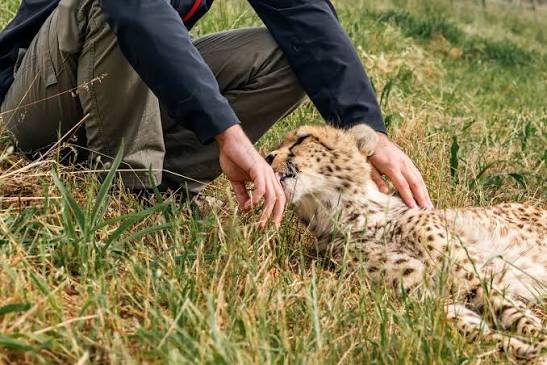
One of the most practical lessons from wildlife care is the value of cooperative animal care. Animals can sometimes be gradually taught to accept touch, stand in a certain position or remain calmer during routine procedures.

In a pet clinic, similar approaches may help with nail trimming, ear examinations, injections and other regular procedures. The aim is not to eliminate every stressful moment. It is to reduce unnecessary fear and make repeated veterinary care safer and easier.

AVMA 2026 puts the whole animal in focus

The American Veterinary Medical Association Convention 2026 is being held in Anaheim from July 10 to 14 and offers up to 41 hours of continuing education.

The wildlife medicine discussion adds an important message to this year’s meeting. Dogs and cats are not simply patients with symptoms. Their behaviour, fear, surroundings and relationship with people can influence how they experience veterinary care.

Wildlife veterinarians have worked with this reality for decades. Now, some of those lessons are moving closer to the everyday veterinary clinic.

Animal Health India Editorial Team
Animal Health India Editorial Teamhttps://animalhealthindia.com
Animal Health India (AHI) is an independent news and intelligence platform covering the global animal health, veterinary, livestock, poultry, companion animal and pet food sectors. Our editorial team comprises veterinary journalists, animal health professionals, regulatory affairs specialists and industry analysts with over 30 years of combined experience covering India, Asia, Europe and North America. AHI publishes news, regulatory updates, market intelligence and company news drawn from primary sources including DAHD, EMA, USDA, AVMA and leading veterinary publications worldwide.

RELATED ARTICLES