


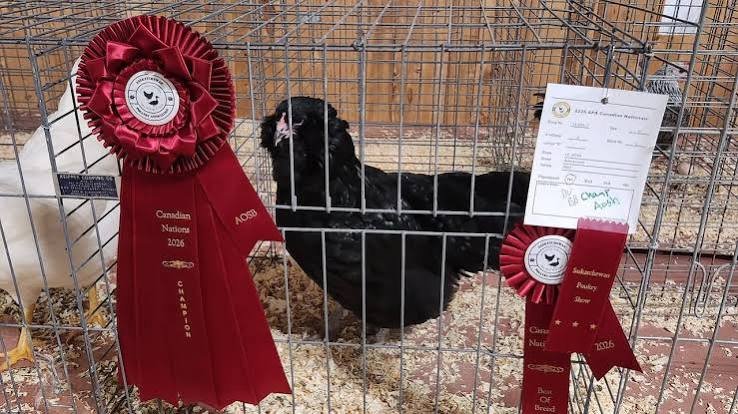
Seven HPAI cases linked to Moose Jaw poultry gathering as CFIA imposes quarantine and movement controls
Canada is investigating a cluster of highly pathogenic avian influenza (HPAI) infections involving poultry holdings across Saskatchewan, Alberta and Manitoba following exposure associated with a poultry show in Moose Jaw, Saskatchewan.
The Canadian Food Inspection Agency (CFIA) has confirmed that seven cases across the three Prairie provinces have been linked to the poultry gathering, highlighting the potential for animal exhibitions and interprovincial poultry movements to facilitate disease transmission.
The developments were reported on November 17, 2026, following confirmation of epidemiological links between affected small flocks.
1. Saskatchewan poultry show identified as the epidemiological link
The outbreak investigation has traced the cluster to a poultry gathering held in Moose Jaw, Saskatchewan, on November 7, 2026. The event, associated with the American Poultry Association, attracted participants from multiple provinces.
Poultry owners who brought birds to the event, purchased birds or sold birds at the gathering are being considered potentially exposed contacts. The CFIA has identified seven linked cases involving non-commercial poultry holdings across:
Province |
Outbreak connection |
|---|---|
Saskatchewan |
Original show-associated outbreak and linked detections |
Alberta |
Multiple affected non-commercial holdings |
Manitoba |
Two linked small-flock cases |
The affected holdings are classified as non-commercial premises, generally involving smaller flocks rather than large commercial poultry operations.
2. Manitoba confirms two linked cases
Manitoba Agriculture confirmed on November 16 that two recent HPAI cases in small flocks were epidemiologically linked to the Moose Jaw poultry show. The provincial authorities have advised small-flock owners to monitor their birds carefully, particularly if they have had contact with participants or birds associated with the event.
The advisory highlights the importance of tracing bird movements and identifying possible exposure pathways following poultry gatherings.
3. CFIA implements quarantine and movement controls
The CFIA has initiated disease-control measures involving quarantine and movement restrictions.
Participants who brought poultry to the event, or purchased or sold birds at the gathering, are considered high-risk contacts and may be subject to quarantine requirements. The agency’s control measures are intended to prevent further dissemination through:
-
Movement of live poultry.
-
Transfer of eggs and hatching eggs
-
Shared equipment and transport containers
-
Contact between exposed and unexposed flocks
-
Movement of birds between farms and exhibitions
CFIA primary control zones are established under Canada’s animal health legislation, with applicable movement restrictions for poultry and related materials. Its surveillance database also records multiple non-commercial infected and restricted zones across Alberta, Manitoba and Saskatchewan.
4. Why poultry shows represent a disease-transmission risk
The outbreak illustrates a potentially important weakness in poultry disease prevention: the role of animal exhibitions and gatherings in connecting otherwise geographically separated flocks.
Poultry shows can bring together birds from multiple farms and production systems. Even where participating birds appear clinically healthy, infected animals or contaminated equipment can create opportunities for pathogen transmission. Several factors can contribute:
Direct bird-to-bird exposure: Birds from different holdings are brought into close proximity.
Shared equipment: Transport cages, feeders, drinkers and handling equipment can become contaminated.
Interprovincial movement: Participants may return to their home provinces with potentially exposed birds.
Indirect transmission: Clothing, footwear, vehicles and handling equipment can contribute to mechanical spread.
This makes event-level biosecurity and post-event monitoring particularly important.
5. Implications for Canada’s commercial poultry industry
Although the reported linked cases involve non-commercial holdings, the outbreak is relevant to the wider poultry industry. Small flocks can act as important components of the disease surveillance landscape. Potential implications include:
-
Increased surveillance around poultry exhibitions
-
Greater scrutiny of bird movement records
-
More stringent event biosecurity requirements
-
Enhanced reporting obligations for small-flock owners
-
Greater coordination between provincial veterinary authorities and CFIA
-
Temporary restrictions affecting exposed holdings

