


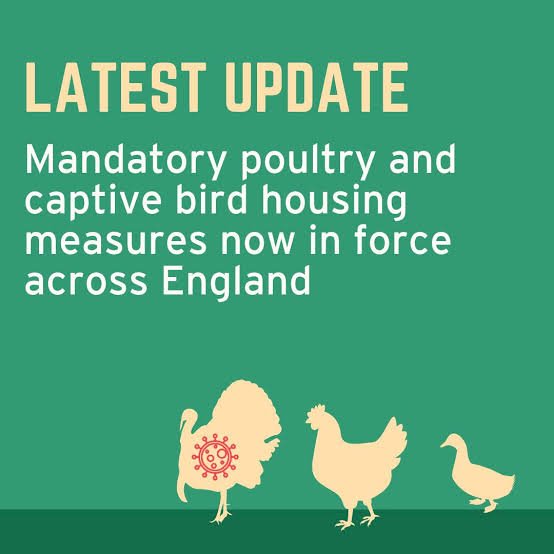
Defra introduces nationwide housing requirements following rising HPAI detections in wild birds and poultry
The United Kingdom’s Department for Environment, Food and Rural Affairs (Defra) has introduced mandatory poultry housing requirements across England following an increase in highly pathogenic avian influenza (HPAI) detections. The national housing order was announced on and came into force in the last week.
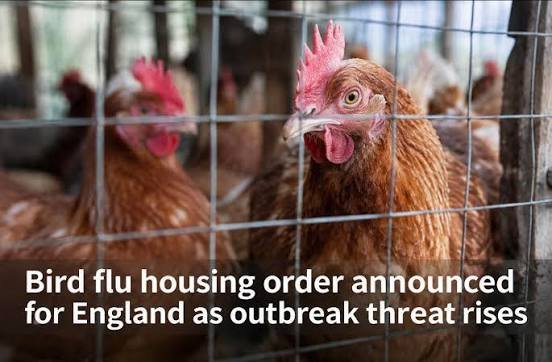
The decision follows an escalation in avian influenza activity in wild birds and kept poultry, with the UK authorities increasing the assessed risk of HPAI infection in wild birds. The intervention is intended to reduce contact between domestic poultry and potentially infected wild birds, particularly during the autumn and winter migratory season.
1. Which poultry keepers must house their birds?
The housing requirements apply across England to:
-
Keepers maintaining 50 or more birds, irrespective of whether the birds are commercial or kept for other purposes, subject to specified exemptions
-
Keepers with fewer than 50 birds if they sell or give away eggs, poultry products or live birds
Certain exceptions apply, including specific circumstances involving some zoo birds. Keepers with fewer than 50 birds maintained exclusively for their own use, without selling or giving away eggs, meat or live birds, are generally exempt from the housing requirement.
In addition, an England-wide Avian Influenza Prevention Zone (AIPZ) requires enhanced biosecurity measures.
2. Why has Defra escalated its response?
The decision follows increasing HPAI detections across Great Britain. The government’s outbreak assessment published on November 6 identified:
-
16 HPAI H5N1 detections in wild birds
-
Four HPAI H5N5 detections in wild birds
-
Four confirmed HPAI H5 detections in domestic poultry since the previous September 30 assessment
The assessment raised the wild-bird HPAI risk level from MEDIUM to HIGH. The important epidemiological consideration is that migratory wild birds can introduce and disseminate avian influenza viruses across geographical regions. Where infected wild birds come into contact with domestic poultry, the potential for spillover increases.
3. What is the purpose of mandatory housing?
The primary objective is to reduce opportunities for direct and indirect contact between domestic poultry and wild birds. Housing requirements are designed to:
-
Reduce exposure to contaminated wild-bird faeces
-
Limit access by wild waterfowl to poultry feeding and drinking areas
-
Reduce contamination of outdoor poultry environments
-
Improve control over poultry movement and farm access
-
Support more effective surveillance and disease management
However, housing alone cannot eliminate infection risk. The effectiveness of these measures also depends on maintaining appropriate ventilation, litter management, hygiene, pest control and equipment disinfection.
4. Biosecurity obligations for poultry keepers
The AIPZ requirements place additional emphasis on preventing disease introduction and spread. Practical precautions include:
-
Cleaning and disinfecting footwear and equipment
-
Restricting unnecessary farm access
-
Preventing wild birds from accessing feed and water
-
Avoiding shared equipment between poultry holdings
-
Monitoring birds for respiratory, neurological and digestive signs
-
Reporting suspected outbreaks promptly to veterinary authorities
Commercial producers should also ensure that staff understand the difference between routine flock management and emergency disease-control procedures.
5. Implications for the British poultry industry
Mandatory housing requirements have implications for commercial poultry operators, backyard keepers and the free-range egg sector. For free-range production systems, housing requirements can affect access to outdoor areas and potentially create implications for production management and marketing claims.
The operational challenges include:
-
Maintaining adequate indoor stocking conditions.
-
Managing ventilation and litter quality.
-
Preventing increased environmental ammonia.
-
Managing flock welfare.
-
Adjusting production and marketing arrangements.

