


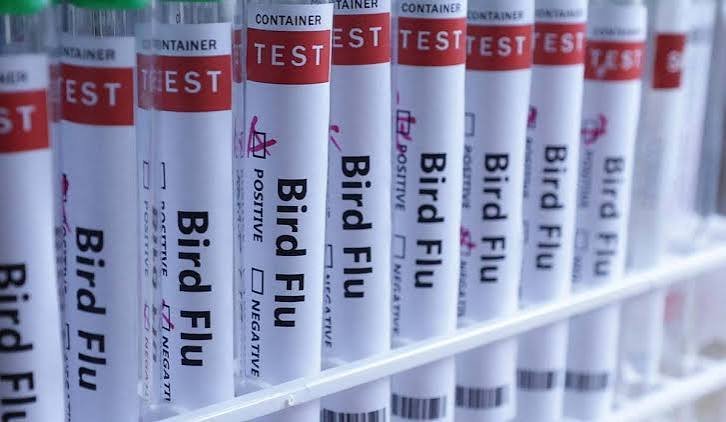
Bird flu confirmed in Ambalappuzha North and Chennithala as Kerala initiates containment operations
Kerala has confirmed highly pathogenic avian influenza (HPAI) at two poultry farms in Alappuzha district, triggering emergency disease-control operations involving the planned culling of approximately 26,000 domestic birds.
The confirmation was reported on November 17, 2026, following laboratory testing of samples at the National Institute of High Security Animal Diseases (NIHSAD), Bhopal. The outbreak has prompted the state Animal Husbandry and Health departments to activate rapid-response teams, implement culling operations and establish surveillance measures around the affected premises.
1. Two affected farms identified
The confirmed infections involve two separate locations in Alappuzha district.
| Location | Affected birds |
|---|---|
| Ward 11, Ambalappuzha North panchayat | Quails and chickens |
| Ward 1, Chennithala panchayat | Ducks and chickens |
The samples collected from the affected farms tested positive at NIHSAD, Bhopal. The involvement of multiple bird species is particularly important from a disease-surveillance perspective because different poultry and waterbird populations can contribute to the epidemiology of avian influenza.
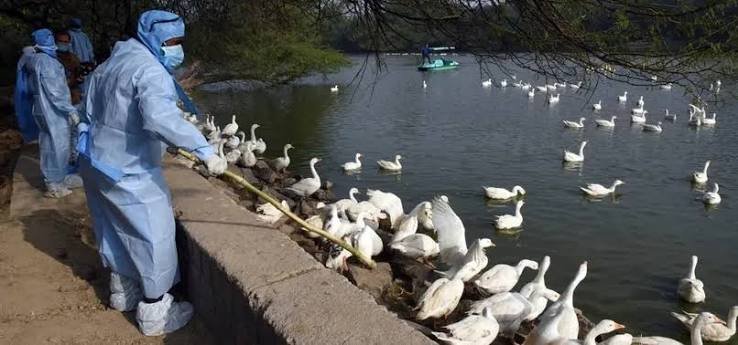
Ducks and other waterfowl are especially relevant to avian influenza surveillance because they can participate in the circulation and transmission of influenza viruses.
2. Approximately 26,000 birds targeted for culling
District authorities have planned the destruction and safe disposal of approximately 26,000 domestic birds within a one-kilometre radius of the affected farms.
The preliminary estimate includes birds located across Ambalappuzha North, Ambalappuzha South and Chennithala panchayats. Approximately 10,044 birds are estimated to be located in Ambalappuzha North alone.
Six rapid-response teams from the Animal Husbandry and Health departments were mobilised for the operation, with two additional teams kept on standby. Each operational team comprises:
-
One veterinary doctor
-
Two livestock inspectors
-
Two attendants
-
Four field workers
Local panchayat representatives, police, revenue officials and other administrative personnel are also involved in supporting the operation.
3. Surveillance zone established
Authorities have declared a 10-kilometre surveillance zone around the affected premises. This is intended to facilitate enhanced monitoring and early identification of potential secondary infections. The control response includes:
-
Identification of poultry holdings in the affected area
-
Culling and disposal of birds within the designated radius
-
Surveillance of surrounding poultry establishments
-
Monitoring of potential disease transmission
-
Coordination between veterinary and public health authorities
The effectiveness of the response will depend on rapid field implementation, accurate flock identification and compliance with movement restrictions and biosecurity requirements.
4. Why Kerala’s poultry production system requires close monitoring
Kerala has a distinctive poultry production landscape, with commercial poultry farms coexisting with backyard poultry, duck farming and smaller household-level bird populations.
Alappuzha is particularly associated with duck rearing and water-linked agricultural ecosystems. This creates specific disease-surveillance challenges.
The presence of different bird populations and production systems can increase the complexity of identifying epidemiological connections and implementing coordinated disease-control measures. The current outbreak reinforces the importance of:
-
Routine surveillance of commercial and backyard poultry
-
Monitoring domestic ducks and other waterfowl
-
Restricting unnecessary movement of birds
-
Maintaining effective farm-level biosecurity
-
Rapid laboratory confirmation of suspected infections
-
Timely reporting of unusual mortality

