


Chhattisgarh Government has reported significant progress in managing the state’s stray dog population, informing the High Court that 30,651 stray dogs have been sterilised under its Animal Birth Control (ABC) Programme.
Alongside the large-scale sterilisation drive, the state has expanded Animal Birth Control centres, increased anti-rabies vaccination campaigns, and strengthened dog shelter infrastructure as part of a broader strategy to improve urban animal management and protect public health. The update highlights a growing shift towards scientific, humane and sustainable methods of managing stray dog populations instead of relying on ineffective or inhumane approaches.
A Scientific Approach to Stray Dog Population Management
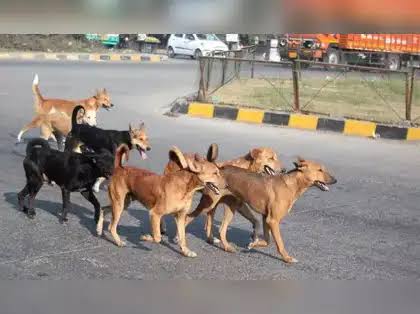
India has one of the world’s largest populations of free-roaming dogs, making population management a major challenge for municipal authorities.
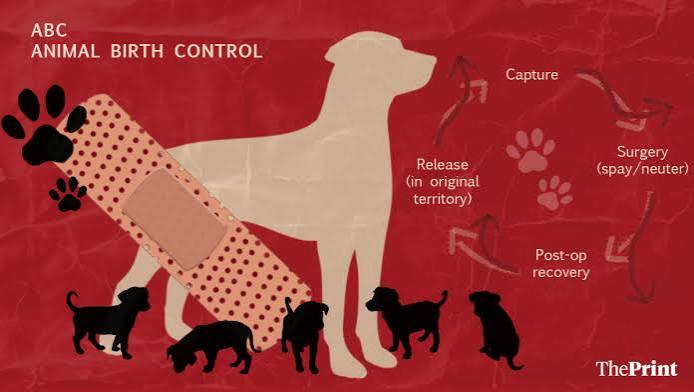
Experts agree that sterilisation combined with anti-rabies vaccination remains the most effective long-term strategy for controlling stray dog numbers while improving both animal welfare and public safety.The Animal Birth Control (ABC) Programme follows this principle by:
Humanely capturing stray dogs.
Sterilising them through surgery.
Vaccinating them against rabies.
Allowing them to recover before returning them to their original locations.
This approach helps gradually reduce dog populations over time while maintaining territorial stability and preventing new unsterilised dogs from moving into the same areas.
More Than 30,000 Dogs Sterilised
According to the affidavit submitted before the High Court, 30,651 stray dogs have undergone sterilisation under the state’s ongoing Animal Birth Control programme.
The government also reported that additional Animal Birth Control centres have been established to increase the programme’s capacity and improve access across urban areas. Expanding these facilities allows more dogs to be treated while reducing waiting times for municipal animal welfare programmes.

Anti-Rabies Vaccination Remains a Priority
Along with sterilisation, the state has intensified efforts to vaccinate stray dogs against rabies. Rabies remains a serious public health concern in many parts of India, although it is almost entirely preventable through timely vaccination of dogs and prompt medical care following animal bites.
Vaccinating stray dogs provides two important benefits:
It protects the animals themselves from infection.
It reduces the risk of rabies transmission to people and other animals. The World Health Organization (WHO) and the World Organisation for Animal Health (WOAH) continue to recognise mass dog vaccination as one of the most effective strategies for eliminating dog-mediated human rabies.
Improving Animal Shelters
The government has also invested in strengthening dog shelter infrastructure. Animal shelters play an important role by providing:
Temporary housing for rescued animals.
Recovery facilities after sterilisation surgery.
Medical treatment for injured or sick dogs.
Adoption opportunities where appropriate.
Better infrastructure supports both animal welfare and the efficient implementation of Animal Birth Control programmes.
Why Sterilisation Is Important
Veterinary experts explain that sterilisation offers several long-term benefits beyond population control. These include:
Slower population growth.
Reduced breeding-related aggression.
Fewer unwanted puppies.
Better overall health for many animals.
Improved community management of stray dogs.
When combined with vaccination and responsible waste management, sterilisation programmes can help create healthier urban environments for both people and animals.
Public Health Benefits
Scientific stray dog management is closely linked to public health. Reducing the number of unvaccinated dogs lowers the risk of rabies transmission while also helping reduce dog bite incidents over time.
Rabies causes thousands of preventable deaths globally each year, with dogs responsible for the vast majority of human cases. Strengthening vaccination coverage among free-roaming dogs is therefore an essential component of India’s national rabies elimination efforts.
Part of a Larger National Strategy
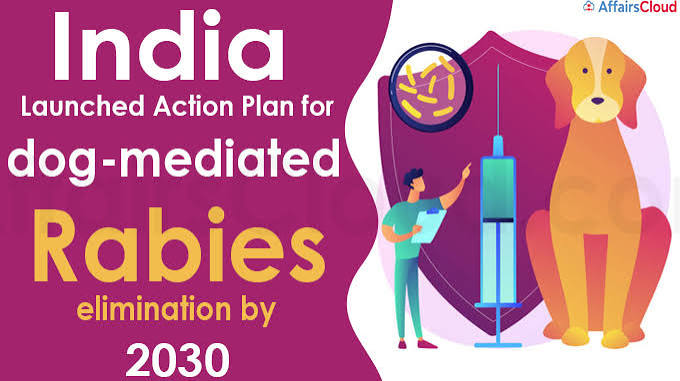
The Chhattisgarh programme supports India’s broader goal of eliminating dog-mediated human rabies by 2030, in line with the National Action Plan for Dog-Mediated Rabies Elimination (NAPRE). Across the country, many states and urban local bodies are expanding Animal Birth Control programmes as part of integrated efforts to improve animal welfare, public health and urban sanitation.
Veterinary professionals emphasise that long-term success depends on sustained implementation rather than short-term campaigns.
Challenges Remain
Despite encouraging progress, experts note that stray dog management remains a complex issue. Several factors continue to influence stray dog populations, including:
Uncontrolled breeding.
Abandonment of pet dogs.
Poor waste management.
Limited access to veterinary services in some areas.
Public awareness and community participation.
Addressing these issues requires cooperation between municipal authorities, veterinarians, animal welfare organisations and local communities.
Growing Role of Veterinary Services
Veterinarians play a central role in Animal Birth Control programmes. Their responsibilities include:
Conducting sterilisation surgeries.
Administering rabies vaccines.
Monitoring animal health.
Ensuring humane handling practices.
Supporting disease surveillance.
As cities continue to expand, demand for trained veterinary professionals in public animal health programmes is expected to increase.
Industry Perspective
The progress reported by Chhattisgarh reflects a broader shift in India towards evidence-based and humane stray animal management. Rather than relying on temporary measures, states are increasingly investing in sterilisation, vaccination and veterinary infrastructure to achieve sustainable population control.
The programme also highlights the growing importance of collaboration between government agencies, veterinarians and animal welfare organisations. Continued investment in Animal Birth Control centres, rabies vaccination and community awareness will be essential if India is to achieve its goal of eliminating dog-mediated human rabies while improving the welfare of free-roaming dogs.
Key Takeaways
-
Chhattisgarh has sterilised 30,651 stray dogs under its Animal Birth Control (ABC) Programme
-
The state has expanded Animal Birth Control centres to strengthen stray dog management
-
Anti-rabies vaccination campaigns have been intensified to improve public health and animal welfare
-
Investments have also been made to improve dog shelter infrastructure and post-operative care
-
Sterilisation and vaccination remain the most widely recommended long-term strategies for humane stray dog population management
-
The programme supports India’s national goal of eliminating dog-mediated human rabies by 2030 while promoting safer communities and better animal welfare.

