



The European Medicines Agency (EMA), through its Committee for Veterinary Medicinal Products (CVMP), adopted positive opinions for five veterinary medicines following its meeting held from 3 to 5 November 2026.
The recommendations cover a diverse range of veterinary indications and species:
-
Scovella (velagliflozin): reduction of hyperinsulinaemia and associated laminitis risk in horses with Equine Metabolic Syndrome (EMS) that have not responded adequately to husbandry and exercise changes.
-
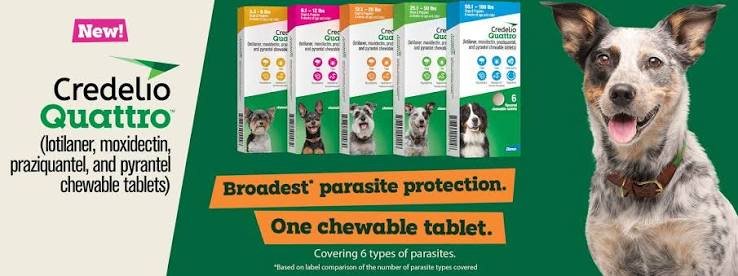
Credelio Quattro (lotilaner, moxidectin, pyrantel and praziquantel): treatment of simultaneous mixed external and internal parasitic infestations in dogs.
-
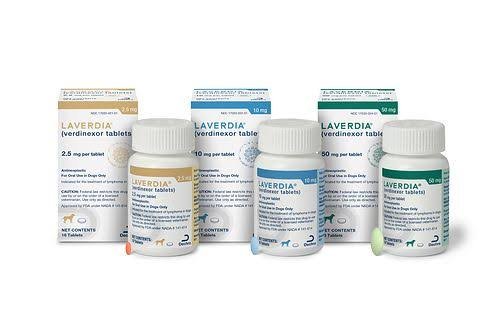
Laverdia (verdinexor): increasing time to progression in dogs with stage II, III and IV lymphoma where treatment in a home setting is indicated.
-
Streptoporc: maternal vaccination of pregnant sows and gilts to provide passive immunisation to their progeny against disease associated with a specified Streptococcus suis genotype.
-
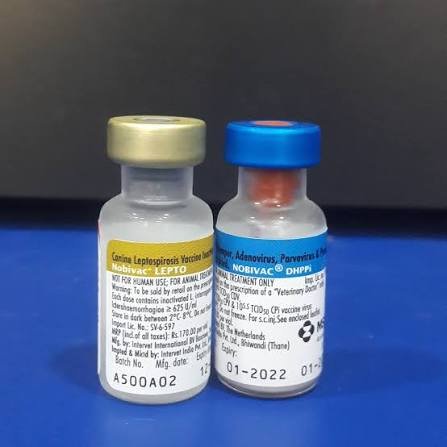
Nobivac PLUS DHPPi/Leptos: active immunisation of dogs from six weeks of age against a range of viral and leptospiral infections.
The decisions are commercially and clinically relevant because they span equine metabolic disease, companion-animal parasitology, canine oncology, swine bacterial disease prevention and canine vaccination.
1. Scovella: a regulatory milestone for equine metabolic syndrome
Active ingredient: Velagliflozin
Species: Horses
Indication: Reduction of hyperinsulinaemia and associated risk of laminitis in horses with Equine Metabolic Syndrome not responsive to husbandry and exercise changes.
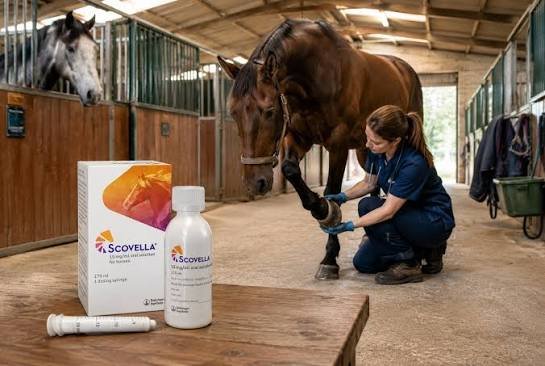
One of the most notable decisions from the CVMP meeting concerns Scovella, a veterinary medicine containing velagliflozin.
The EMA’s announcement states that the positive opinion followed a re-examination of the opinion adopted at the Committee’s June 2026 meeting.
The Committee also identified Scovella as the first veterinary medicinal product recommended under the limited-market regulatory framework since Regulation (EU) 2019/6 came into effect in 2022.
Why equine metabolic syndrome matters
Equine Metabolic Syndrome is an important endocrine and metabolic disorder in horses. A characteristic feature is insulin dysregulation, which can contribute to an increased risk of laminitis.
Laminitis is a painful and potentially debilitating condition involving the sensitive structures of the hoof. Severe cases can lead to prolonged lameness, substantial welfare consequences and, in some circumstances, euthanasia.
Management traditionally places emphasis on:
-
Weight management where excess body condition is present.
-
Appropriate dietary management and control of non-structural carbohydrate intake.
-
Exercise programmes suited to the horse’s clinical condition.
-
Veterinary monitoring of insulin dysregulation and associated risk factors.
The indication for Scovella is particularly important because it addresses horses in which husbandry and exercise interventions have not been sufficient.
Regulatory significance: the limited-market framework
The EMA specifically highlighted the use of the limited-market regulatory framework under Regulation (EU) 2019/6. The mechanism is important for veterinary medicine development because certain diseases affect relatively small animal populations. Conventional development and regulatory requirements may otherwise make investment in these markets commercially difficult.
The first positive recommendation under this framework is therefore a notable regulatory precedent.
Industry implications
Scovella may be relevant to the broader development of veterinary medicines for specialised and underserved indications.
For developers, the limited-market framework may offer a more proportionate regulatory route for selected veterinary products. For the equine-health sector, the decision draws attention to the unmet need associated with insulin dysregulation and laminitis risk.
2. Credelio Quattro: four active ingredients targeting mixed parasitic infestations in dogs
Active ingredients: Lotilaner, moxidectin, pyrantel and praziquantel
Species: Dogs
Indication: Treatment of simultaneous mixed external and internal parasitic infestations involving ectoparasites, cestodes and nematodes.
The CVMP also adopted a positive opinion for Credelio Quattro, a combination parasiticide developed by Elanco. The formulation combines four active ingredients with different antiparasitic targets:
Active ingredient |
Pharmacological class |
Principal antiparasitic role |
|---|---|---|
Lotilaner |
Isoxazoline |
Ectoparasites, including fleas and ticks |
Moxidectin |
Macrocyclic lactone |
Selected nematodes and other susceptible parasites |
Pyrantel |
Tetrahydropyrimidine anthelmintic |
Selected gastrointestinal nematodes |
Praziquantel |
Pyrazinoisoquinoline anthelmintic |
Cestodes, including tapeworms |
The EMA’s wording is important: the product is indicated only when treatment against ectoparasites, cestodes and nematodes is indicated at the same time.
This is not a recommendation for indiscriminate administration of a four-component combination to every dog.
Why combination parasiticides matter
Dogs can be exposed to multiple parasites through environmental contact, ingestion of intermediate hosts, contact with other animals and vectors such as fleas and ticks.
Mixed infestations may require treatment directed at different parasite groups. A combination product can simplify treatment when the clinical and epidemiological circumstances justify simultaneous coverage.
However, broad-spectrum coverage should not replace veterinary assessment. Parasite exposure varies by geography, lifestyle, travel history, age and local epidemiology.
Commercial implications
Credelio Quattro’s positive EU opinion represents an important development for Elanco’s companion-animal parasiticide portfolio.
The company has already identified Credelio Quattro as a major innovation within its US Pet Health business. Its Q3 2026 results highlighted continued clinic adoption and share gains in the United States.
The EU recommendation provides a potential additional geographic growth opportunity, subject to the final authorisation and launch process. For the European parasiticide market, the competitive questions will include:
-
How the combination is positioned against existing multi-parasite products.
-
The degree of veterinary preference and clinic adoption.
-
Product pricing relative to alternative treatment combinations.
-
Whether the convenience of combined coverage improves adherence.
-
How the label’s simultaneous-indication requirement shapes prescribing and use.
The positive opinion should not be interpreted as evidence that the product is superior to competing parasiticides. Comparative claims require direct supporting evidence.
3. Laverdia: a canine lymphoma treatment recommendation
Active ingredient: Verdinexor
Species: Dogs
Indication: Increasing time to progression in dogs with stage II, III and IV lymphoma where use in a home setting is indicated.
The CVMP adopted a positive opinion for Laverdia, containing verdinexor, for a defined indication in dogs with lymphoma. The recommendation is notable because canine lymphoma remains an important oncology challenge in companion-animal practice.
Lymphoma is a malignant disease of lymphocytes and can involve lymph nodes, organs and other tissues. Clinical presentation and disease progression vary according to lymphoma subtype, stage and individual patient characteristics.
What the indication means
The EMA describes the intended benefit as increasing time to progression in dogs with stage II, III and IV lymphoma where use in a home setting is indicated. It does not mean that Laverdia cures lymphoma, guarantees remission or has been demonstrated in the meeting announcement to extend overall survival. The stated endpoint is time to progression.
The product was also classified under a minor-use, minor-species/limited-market legal basis for the relevant marketing-authorisation application.
Why this development matters
Veterinary oncology is an increasingly specialised area of companion-animal medicine. Pet owners are seeking more treatment options for serious diseases, while veterinarians must balance clinical benefit, adverse effects, treatment burden, quality of life and financial considerations.
A medicine with an indication supporting use in a home setting may be relevant to treatment logistics and the experience of both pets and owners. However, home administration does not eliminate the need for veterinary oversight. Oncology medicines require appropriate prescribing, monitoring, handling and owner education.
4. Streptoporc: maternal vaccination targeting Streptococcus suis in piglets
Product: Streptoporc
Species: Pregnant sows and gilts, with passive protection intended for progeny
Target pathogen: Streptococcus suis
Target genotype: Ide_Ssuis genotype 1.1
The CVMP adopted a positive opinion for Streptoporc, a veterinary vaccine intended to protect progeny through active immunisation of pregnant sows and gilts. The mechanism is based on maternal vaccination: the pregnant animals are actively immunised, with the objective of providing passive immunity to their offspring.
The EMA’s stated indication is to reduce:
-
Clinical signs.
-
Mortality.
-
Bacterial load.
-
Pathological lesions in serosae, joints and organs.
These effects are associated with Streptococcus suis belonging to Ide_Ssuis genotype 1.1.
Why Streptococcus suis is important in swine production
Streptococcus suis is an important bacterial pathogen in pig production. It can cause systemic disease and a range of clinical conditions, including meningitis, septicaemia, arthritis and other invasive infections.
Disease can be particularly important in young pigs, where clinical outbreaks may result in mortality, treatment costs, production losses and animal-welfare concerns.
The pathogen also has zoonotic significance, although the product indication described by EMA is specifically directed at protecting pig progeny against disease associated with the specified genotype.
Maternal immunisation as a disease-control strategy
Maternal vaccination is an established approach in veterinary medicine. Rather than relying exclusively on vaccination of young animals, the strategy aims to stimulate the immune response of the dam so that protective maternal antibodies can be transferred to offspring.
In pig production, this approach can be valuable where neonatal or early-life disease is an important concern and where the timing of exposure makes early passive protection relevant.
The importance of genotype-specific wording
The EMA’s indication specifically identifies Ide_Ssuis genotype 1.1. This is a critical qualification. The positive opinion should not be interpreted as demonstrating protection against all Streptococcus suis serotypes or genotypes.
The product’s practical value will depend on the relationship between the targeted genotype and the strains circulating in the relevant production region.
5. Nobivac PLUS DHPPi/Leptos: canine vaccination from six weeks of age
Product: Nobivac PLUS DHPPi/Leptos
Species: Dogs
Minimum age in the stated indication: Six weeks
Target pathogens: Canine distemper virus, canine adenovirus types 1 and 2, canine parvovirus, canine parainfluenza virus and selected Leptospira species.
The CVMP also adopted a positive opinion for Nobivac PLUS DHPPi/Leptos. The product is intended for active immunisation of dogs from six weeks of age to prevent or reduce symptoms or lesions caused by:
-
Canine distemper virus (CDV).
-
Canine adenovirus type 1 (CAV-1).
-
Canine adenovirus type 2 (CAV-2).
-
Canine parvovirus (CPV).
-
Canine parainfluenza virus (CPi).
-
Leptospira interrogans.
-
Leptospira kirschneri.
Why combination vaccination matters
The product combines coverage against several important canine infectious diseases. Canine distemper, adenovirus-associated disease and parvovirus infection can cause serious illness. Parvovirus is particularly important in young and inadequately protected dogs, while distemper can produce multisystem disease with potentially severe neurological consequences.
Canine parainfluenza is associated with respiratory disease and is relevant to infectious respiratory disease complexes. Leptospirosis is a bacterial zoonotic disease that can affect dogs and humans. Infection is commonly associated with exposure to environments contaminated by infected animal urine.
The inclusion of Leptospira targets is therefore relevant to both canine health and wider public-health considerations.
The six-week starting age
The stated indication includes dogs from six weeks of age onwards. This is an important label detail for puppy vaccination planning. However, the minimum age should not be confused with a complete vaccination schedule or a guarantee of immediate protection after one administration.
The final product information will determine the recommended primary course, booster timing, administration instructions and any relevant precautions. Maternal antibodies can influence vaccine responses in young puppies, making the complete vaccination schedule and veterinary guidance important.
6. Other important CVMP outcomes from the same November meeting
The five positive opinions above were not the only important veterinary-medicines developments in the EMA announcement. Several additional decisions deserve attention from veterinary pharmaceutical companies, regulators and industry analysts.
Product / subject |
CVMP outcome |
Industry significance |
|---|---|---|
Syvazul BTV 3 |
Positive opinion for a variation addressing development of an ELISA potency test and duration-of-immunity study in sheep |
Bluetongue vaccine quality and evidence requirements |
Hepizovac |
Positive opinion for a variation addressing stability studies to confirm an accepted 18-month shelf life |
Product stability and manufacturing-quality documentation |
Orbyk EHD |
Positive opinion for a variation addressing potency-test validation and support for a 10-hour in-use shelf life |
EHD vaccine quality-control requirements |
Zenrelia (ilunocitinib) |
Product information to include aggression as a very rare adverse event |
Companion-animal pharmacovigilance and risk communication |
Credelio (lotilaner) |
Positive opinion for a variation adding treatment of ear mite infestations caused by Otodectes cynotis |
Expanded parasiticide indication |
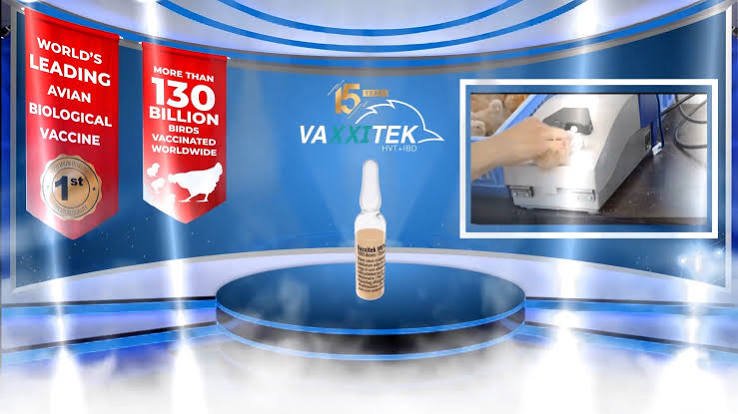
Avian influenza vaccines: Vaxxinact H5 and Vaxxitek HVT+IBD+H5
The CVMP also reviewed the exceptional-circumstances marketing authorisations for two avian influenza vaccines:
-
Vaxxinact H5.
-
Vaxxitek HVT+IBD+H5.
Following re-examination, the Committee recommended that the validity of each marketing authorisation under exceptional circumstances be extended by one year.
These recommendations are relevant to the continuing regulatory management of avian influenza vaccine products. They should not be interpreted as new initial authorisations or as evidence of a newly demonstrated efficacy advantage.
Antimicrobial resistance: JIACRA V adopted
An especially important One Health development was the CVMP’s adoption of the fifth Joint Inter-Agency Report on Integrated Analysis of Antimicrobial Agent Consumption and Occurrence of Antimicrobial Resistance in Bacteria from Humans and Food-Producing Animals in the EU/EEA (JIACRA V).
The report introduces a stronger One Health approach by incorporating environmental data and expertise from the European Environment Agency.
It also examines post-COVID trends covering 2022–2024 and provides new long-term evidence that sustained reductions in antimicrobial use are associated with improvements in bacterial susceptibility at country level.
The EMA stated that publication was scheduled for 10 December 2026 on the websites of ECDC, EFSA and EMA. This is an important policy and scientific development because it connects antimicrobial consumption, resistance patterns and environmental considerations across human and veterinary health.
VICH GL49(R2): analytical methods in residue-depletion studies
The Committee also adopted VICH GL49(R2), concerning validation of analytical methods used in residue-depletion studies.
The document was recommended for a six-month public consultation, running until the end of April 2027. This is relevant to veterinary pharmaceutical developers, laboratories and regulatory affairs teams involved in residue studies and the demonstration of food-animal medicine safety.
7. What this EMA meeting signals for the veterinary pharmaceutical industry
The November CVMP meeting illustrates the breadth of current veterinary-medicine development. The five positive opinions span different commercial and clinical needs:
Therapeutic area |
Product |
Strategic theme |
|---|---|---|
Equine metabolic disease |
Scovella |
Regulatory innovation and limited-market medicines |
Companion-animal parasitology |
Credelio Quattro |
Combination parasiticides and omnichannel pet-health competition |
Veterinary oncology |
Laverdia |
Specialised companion-animal treatment |
Swine bacterial disease |
Streptoporc |
Maternal immunisation and targeted pathogen prevention |
Canine infectious disease prevention |
Nobivac PLUS DHPPi/Leptos |
Combination vaccination and puppy protection |
Three broader themes emerge.
1. Regulatory flexibility can support underserved veterinary markets
Scovella’s position as the first product recommended under the limited-market framework since the implementation of Regulation (EU) 2019/6 is particularly significant.
Regulatory frameworks that recognise the economics of smaller veterinary markets may encourage development in areas that would otherwise attract limited investment.
2. Companion-animal innovation continues to diversify
Credelio Quattro and Laverdia represent different directions in companion-animal innovation: broad parasitic coverage and specialised oncology treatment.
Both reflect the increasing complexity of veterinary care and the need for differentiated products supported by clinical evidence.
3. Livestock disease prevention remains strategically important
Streptoporc and the additional vaccine-related regulatory developments demonstrate the continued importance of immunisation in livestock health.
Targeted vaccines, maternal immunisation, potency testing, stability requirements and duration-of-immunity evidence remain important parts of the animal-health industry’s development pipeline.
Conclusion
The EMA’s 3–5 November 2026 CVMP meeting produced a diverse set of positive opinions and regulatory recommendations, spanning equine metabolic disease, canine parasitology, veterinary oncology, swine bacterial disease and canine vaccination.
Among the five products, Scovella stands out for its position under the EU limited-market regulatory framework. Credelio Quattro adds a notable development to the companion-animal parasiticide market, while Laverdia addresses a defined canine lymphoma indication. Streptoporc brings attention to maternal immunisation against a specified Streptococcus suis genotype, and Nobivac PLUS DHPPi/Leptos expands the range of canine infectious-disease protection under consideration.
The additional outcomes on avian influenza vaccines, bluetongue, epizootic haemorrhagic disease, pharmacovigilance and antimicrobial resistance make this a particularly relevant regulatory update for the veterinary pharmaceutical industry.
For manufacturers and veterinary professionals, the key next step is to follow the European Commission decisions and the final product information. A positive CVMP opinion is an important regulatory milestone, but the final authorised label—not the meeting headline—must guide clinical use and commercial claims.

