HomeLivestockNamibia Foot-and-Mouth Disease Outbreak Continues Disrupting Meat Exports to EU

Namibia Foot-and-Mouth Disease Outbreak Continues Disrupting Meat Exports to EU

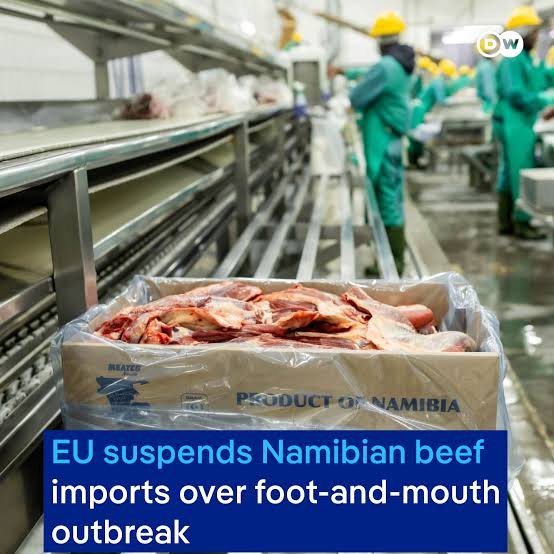
Namibia’s foot-and-mouth disease (FMD) outbreak has disrupted livestock movement, domestic meat trading and access to important export markets. The European Union announced a temporary suspension of selected meat imports from Namibia’s previously FMD-free zone after an outbreak was confirmed on a commercial farm in the Karasburg State Veterinary District, //Kharas Region, on 23 September 2026. The ban imposed by EU cointinues to the day, severly affecting the local livestock economy of Namibia.

Disease response and trade restrictions

Following confirmation of the outbreak, Namibian authorities notified the World Organisation for Animal Health (WOAH) and introduced restrictions on the movement and export of cloven-hoofed animals and their products. WOAH suspended Namibia’s FMD-free status for the affected zone with effect from 22 September 2026.

The EU’s temporary measure covers fresh meat from cattle, sheep and goats, certain other farmed and wild ungulates, and specified processed meat products such as biltong and jerky. Certain processed products that have undergone prescribed risk-mitigating treatment remain eligible for entry under EU rules. The scope of the restriction is therefore specific; it should not be described as a blanket prohibition on every Namibian animal product.

Effects on domestic markets and meat processors

Reporting by Al Jazeera on last week, described the impact on Windhoek’s Single Quarter meat market, where closures and supply disruption left some stalls empty. Local restrictions included limits on animal movement, the cancellation of movement permits, suspension of livestock auctions and informal markets, and controls on slaughter in affected settings. Emergency vaccination, roadblocks and surveillance were also reported.

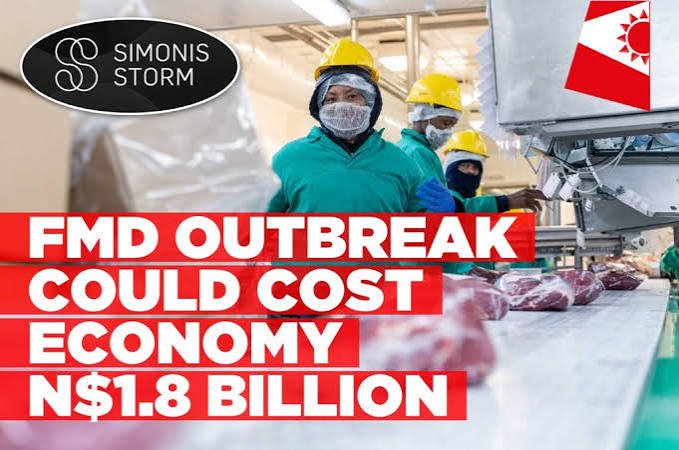
The effects extend beyond infected farms. When animals cannot be moved or sold normally, farmers can lose access to routine cash flow, while abattoirs, traders, meat vendors and transport businesses face uncertainty over supply and scheduling. Al Jazeera also reported that Meatco had placed approximately 400 production workers on special leave, with the position to be reviewed in light of veterinary guidance.

Industry implications

FMD is a highly contagious viral disease affecting cloven-hoofed animals, including cattle, pigs, sheep and goats. Its economic impact can be disproportionate to the number of directly affected farms because trade status, regional movement rules and export eligibility influence the entire value chain.

For producers and exporters, priorities include strict movement compliance, traceability, veterinary surveillance and adherence to commodity-specific export conditions. For international buyers, the key questions are the geographical scope of the outbreak, the current status of disease-free zones and the conditions under which specific products may still be traded.

Animal Health India Editorial Team
Animal Health India Editorial Teamhttps://animalhealthindia.com
Animal Health India (AHI) is an independent news and intelligence platform covering the global animal health, veterinary, livestock, poultry, companion animal and pet food sectors. Our editorial team comprises veterinary journalists, animal health professionals, regulatory affairs specialists and industry analysts with over 30 years of combined experience covering India, Asia, Europe and North America. AHI publishes news, regulatory updates, market intelligence and company news drawn from primary sources including DAHD, EMA, USDA, AVMA and leading veterinary publications worldwide.

RELATED ARTICLES