


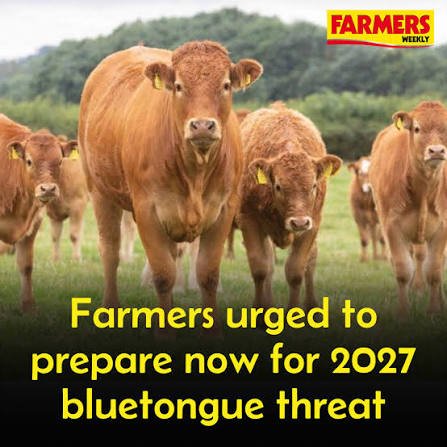
The United Kingdom has recorded 3,472 premises affected by bluetongue virus (BTV-3 or unspecified serotype) during the 2026–27 season, according to the latest Defra situation update dated 30 October 2026.
The figures highlight the continuing challenge posed by bluetongue to cattle and sheep producers and the importance of forward planning for the next transmission season.
UK bluetongue situation
Country |
Confirmed affected premises |
|---|---|
England |
2,917 |
Wales |
500 |
Scotland |
55 |
Northern Ireland |
0 |
UK total |
3,472 |
No BTV-8 cases were reported in the 2026–27 season in the update.
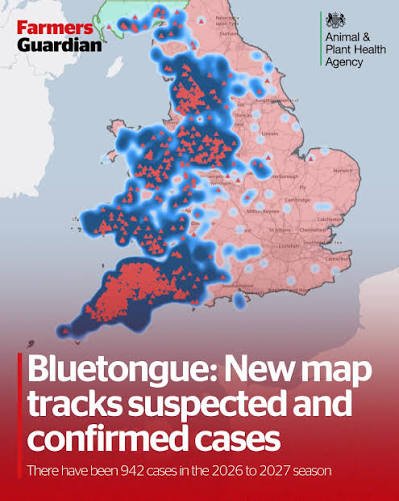
The figures refer to confirmed affected premises, rather than the total number of infected animals. A premises is counted when one or more animals meet the relevant confirmation criteria.
The latest update also recorded two new BTV-3 cases in England and two in Wales, confirmed on 29 October. The English cases involved one sheep and one bovine, identified through germinal-product testing. The Welsh cases also involved one sheep and one bovine, following investigation of suspicious clinical signs.
What is bluetongue?
Bluetongue is a viral disease of ruminants, particularly cattle and sheep. It is transmitted by infected biting midges of the genus Culicoides.
Clinical signs vary by species and may include fever, swelling of the face and lips, oral lesions, lameness and reproductive complications. Sheep can experience severe disease, while cattle may show milder or less obvious signs but can contribute to viral circulation. The disease is not considered a human-health threat.
Why 2027 preparedness matters
The current outbreak burden has prompted renewed attention to vaccination planning. Reports from the UK livestock sector indicate that farmers are being encouraged to discuss vaccine requirements with their veterinarians ahead of the next season.
Vaccination decisions need to account for the circulating serotype, available authorised products, animal status, geographical risk and official guidance.
The timing of vaccination is important because protection needs to be established before substantial vector activity and exposure.
Implications for veterinary pharmaceutical companies
The disease creates demand for:
-
Authorised bluetongue vaccines.
-
Serological and molecular diagnostic tests.
-
Veterinary consultation and vaccination services.
-
Vector-risk management and farm advisory programmes.
-
Livestock movement and reproductive-health monitoring.

