


MWI Animal Health integrates rugged mobile technology into cattle feeding operations
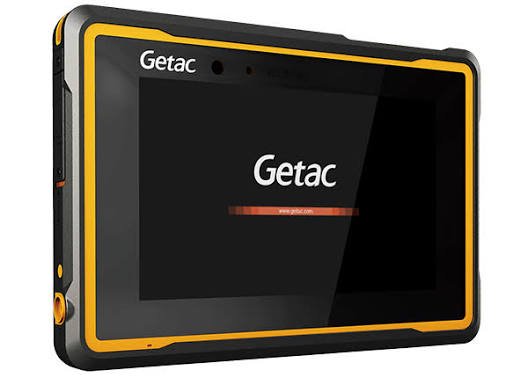
MWI Animal Health has deployed Getac ZX10 fully rugged Android tablets to support its precision feed-management operations across beef and dairy farms in North America.
The deployment was announced by Getac North America on October 29, 2026. The tablets are being used as part of MWI’s Read and Feed system, which connects cattle bunk assessments, dietary calculations, feed preparation and delivery records.
The initiative illustrates the increasing integration of digital technologies into livestock nutrition and farm operations. Rather than treating feed management as a series of separate activities, the system is designed to connect the assessment of cattle requirements with the physical distribution and recording of feed.
For MWI Animal Health, the deployment also demonstrates the broader evolution of animal-health distribution businesses into providers of operational and digital solutions for livestock producers.
How the Read and Feed system operates
The system connects three important stages of the cattle feeding process.
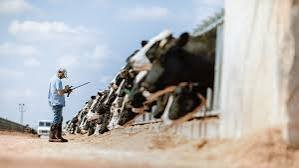
1. Bunk assessment and dietary planning – MWI’s bunk readers assess cattle approximately three to four times daily. The assessments are used to calculate dietary requirements based on factors including:
-
Age.
-
Body weight.
-
Gender.
-
Environmental conditions.
-
Feed-bunk status and operational requirements.
These assessments help determine the amount of feed required and support more consistent delivery across feeding locations.
2. Feed delivery and distribution – GPS-enabled feed trucks distribute loads of approximately 30,000–35,000 pounds across farm bunks.
The Getac ZX10 tablets act as the operational control hub for the Read and Feed system during delivery runs. The objective is to ensure that feed is allocated and delivered according to the requirements recorded during the assessment process.
3. Real-time data integration – The tablets connect to truck-mounted scales through Bluetooth, allowing live monitoring of ingredient weights. Delivery information is transmitted to facility servers through Wi-Fi, providing a more continuous record of feed movement from assessment to delivery.
This integration is intended to improve traceability and reduce discrepancies between planned feed allocation and actual delivery.

Why Getac ZX10 was selected
The Getac ZX10 is a rugged Android tablet designed for demanding field environments. According to the announcement, the devices are mounted in MWI’s custom 3D-printed cradles and connected to 12-volt power supplies.
The tablets are designed to operate across a temperature range of −29°C to 63°C, while tolerating dust, shock and vibration. These characteristics are relevant to livestock operations where equipment may be exposed to outdoor weather, feed dust, vehicle movement and extended operating hours.
MWI also identified the Android operating environment as an advantage over its previous Windows-based systems. Patrick Russell, Field IT Service and Support Supervisor at MWI Animal Health, said the Android-based kiosk configuration allows the devices to be restricted to the required operational functions, supporting deployment and maintenance efficiency.

Reported operational improvements
Getac’s announcement describes several operational improvements following deployment.
Operational area |
Company-reported result |
|---|---|
Feed tracking |
Nearly 100% billing and tracking accuracy |
Feed allocation |
Improved verification of feed delivery |
IT maintenance |
Reduced field time required for system updates |
Technology access |
Lower-cost Android deployment extends access beyond MWI’s approximately 400 main commercial feed yards |
Field operation |
Rugged tablets support continuous use in demanding farm environments |
The company also reports that precise feeding practices, together with improvements in technology and operational consistency, have helped increase harvest weights from approximately 1,200 pounds to 1,500 pounds or more.
This figure needs careful interpretation. It is a company-reported operational outcome associated with a combination of feeding practices, technology and process improvements. The announcement does not provide a controlled study demonstrating that the tablets alone caused the increase in harvest weights.
Similarly, the nearly 100% figure refers to billing and tracking accuracy; it should not be represented as a 100% reduction in feed waste or an independently audited measure of feed-conversion efficiency.
Strategic significance for MWI Animal Health
The deployment is important because it illustrates how an established animal-health distributor can extend its role beyond the supply of veterinary medicines, vaccines and livestock-health products.
Precision feeding is directly connected to several economic and operational priorities in cattle production:
-
Feed is a major component of livestock production costs.
-
Inconsistent feed delivery can affect animal performance.
-
Accurate ingredient weighing supports ration consistency.
-
Better traceability can improve operational accountability.
-
More efficient field technology can reduce maintenance requirements.
MWI’s system connects these operational needs through a digital workflow that links feed assessment, preparation and delivery. For producers, the potential value lies in more consistent execution of feeding programmes and improved visibility into feed allocation.
For MWI, the model may strengthen customer engagement by embedding the company more deeply into everyday livestock-production operations.
Wider implications for livestock technology
The deployment reflects a broader movement towards precision livestock farming. Digital tools are increasingly being used to connect animal identification, feed formulation, weighing systems, environmental monitoring, production records and veterinary interventions.
In cattle operations, this can create opportunities for integrated farm-management systems that connect nutrition and health data. Potential future developments include:
-
Integration of feeding records with individual or group animal-performance data.
-
More automated identification of feed-delivery discrepancies.
-
Improved forecasting of ingredient requirements.
-
Integration with herd-health and veterinary management platforms.
-
More consistent reporting of feed use and operational performance.

