

HomeLivestockUnited States Confirms First HPAI Detection in Oregon Dairy Cattle

United States Confirms First HPAI Detection in Oregon Dairy Cattle

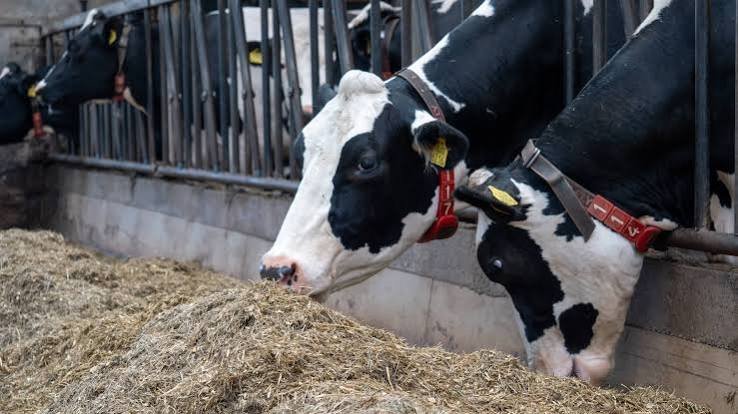
The United States Department of Agriculture (USDA) has confirmed the first detection of highly pathogenic avian influenza (HPAI) in dairy cattle in Oregon, marking another geographic expansion of the H5N1 outbreak affecting the US dairy sector.

The National Veterinary Services Laboratories (NVSL), operating under USDA’s Animal and Plant Health Inspection Service (APHIS), confirmed the presence of HPAI H5 clade 2.3.4.4b through PCR testing on 10 November.

The detection was identified through Oregon’s ongoing dairy cattle surveillance programme, with preliminary findings reported by the Oregon Veterinary Diagnostic Laboratory. The affected dairy is located in Morrow County and has been placed under quarantine.

First detection in Oregon dairy cattle

According to USDA, the affected herd had previously tested negative through routine surveillance under the National Milk Testing Strategy. The detection demonstrates the importance of continuous surveillance even in areas that have not previously reported infections in dairy cattle.

Following preliminary identification, Oregon’s Department of Agriculture initiated an on-farm investigation and submitted additional samples to NVSL for confirmation.

The federal and state authorities are now conducting additional diagnostic testing and epidemiological investigations to establish the circumstances surrounding the infection. Genetic sequencing is expected to provide further information about the virus.
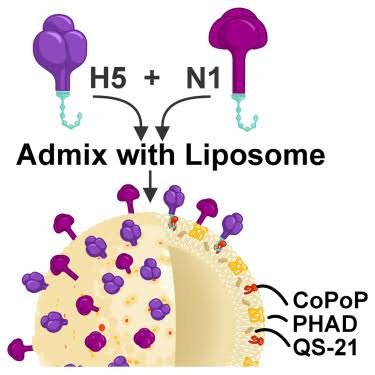
H5 clade 2.3.4.4b: Continued challenge for the US dairy sector

The US dairy cattle outbreak began in March 2024 and has required extensive collaboration between federal agencies, state veterinary authorities, dairy producers and diagnostic laboratories.

USDA reports that dairy cattle infections have occurred in 22 states since the outbreak began. The detection in Oregon is particularly relevant because the virus has continued to appear in previously unaffected geographical areas. HPAI infections in dairy cattle have important implications for:

  • Milk production and farm operations.

  • Dairy herd health and productivity.

  • Veterinary surveillance and testing.

  • Livestock movement and biosecurity.

  • Occupational health precautions for farm workers.
USDA maintains its HPAI eradication strategy

USDA has confirmed that the Oregon detection does not change the country’s existing HPAI eradication strategy. The agency continues to emphasise enhanced farm biosecurity and early reporting of clinical signs. Key recommended measures include:

  1. Strengthening access controls for farm personnel and vehicles.

  2. Monitoring livestock for unusual clinical signs.

  3. Preventing unnecessary movement between dairy premises.

  4. Maintaining appropriate hygiene and disinfection procedures.

  5. Reporting unusual illness or mortality in livestock and wildlife.

  6. Conducting appropriate diagnostic testing and epidemiological investigations.

The affected dairy remains under quarantine while authorities investigate the infection.

Milk safety: USDA reiterates consumer protections

USDA has stated that the detection does not affect the safety of the commercial milk supply. Milk from affected animals is being diverted from the commercial milk tank or destroyed rather than entering the human food supply. The US Food and Drug Administration has also reiterated that pasteurisation effectively inactivates HPAI virus.

The Centers for Disease Control and Prevention considers the general public health risk from circulating HPAI viruses in birds and dairy cattle to be low, although individuals with occupational exposure to infected animals face higher risks and should follow appropriate protective guidance.

Commercial implications for animal-health companies

The Oregon detection reinforces the importance of investment in veterinary diagnostics, surveillance and biosecurity.

Veterinary diagnostics: Routine milk surveillance and PCR-based confirmation remain central to early detection.

Animal-health pharmaceuticals: The outbreak increases the strategic importance of research into influenza prevention and treatment, although this detection does not itself establish a new commercial vaccine programme.

Farm biosecurity: Dairy producers will continue to require farm-level surveillance, hygiene, animal movement management and worker-protection systems.

Veterinary laboratory infrastructure: Diagnostic capacity and turnaround time are increasingly important during geographically expanding outbreaks.

Outlook

The most important immediate development will be the genetic sequencing results and further epidemiological findings from the Oregon investigation.

Although the detection is not evidence of widespread infection across Oregon’s dairy industry, it demonstrates that HPAI surveillance cannot be restricted to previously affected states.

The event is another reminder that the H5N1 outbreak remains a continuing operational and economic challenge for the US livestock industry.

Animal Health India Editorial Team
Animal Health India Editorial Teamhttps://animalhealthindia.com
Animal Health India (AHI) is an independent news and intelligence platform covering the global animal health, veterinary, livestock, poultry, companion animal and pet food sectors. Our editorial team comprises veterinary journalists, animal health professionals, regulatory affairs specialists and industry analysts with over 30 years of combined experience covering India, Asia, Europe and North America. AHI publishes news, regulatory updates, market intelligence and company news drawn from primary sources including DAHD, EMA, USDA, AVMA and leading veterinary publications worldwide.
RELATED ARTICLES