



Asian Animal Health Leaders Meet in Mongolia to Strengthen Regional FMD Control – World Organisation for Animal Health (WOAH) has officially opened the 28th Meeting of the Sub-Commission for Foot-and-Mouth Disease in South-East Asia, China, and Mongolia (SEACFMD). The event takes place in Ulaanbaatar, Mongolia, running from July 28 to July 30, 2026
The World Organisation for Animal Health (WOAH) has officially opened the 28th Meeting of the Sub-Commission for Foot-and-Mouth Disease in South-East Asia and China (SEACFMD) in Ulaanbaatar, Mongolia, bringing together senior veterinary officials, epidemiologists and animal health experts from across Asia to address one of the region’s most significant livestock disease threats.
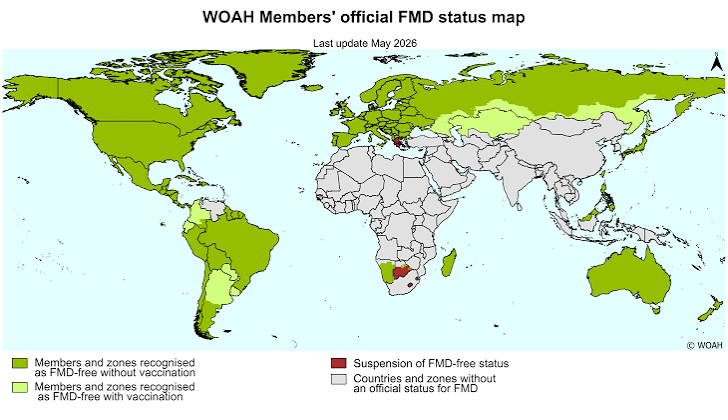
The annual meeting comes at a critical time as countries intensify surveillance and preparedness against the SAT1 serotype of Foot-and-Mouth Disease (FMD), a strain that has raised growing concern among veterinary authorities because of its potential to spread rapidly through susceptible livestock populations.
Representatives from national veterinary services, regional organisations and international partners are expected to review the latest disease situation, strengthen cross-border cooperation and develop coordinated strategies to reduce the risk of further spread.
Foot-and-Mouth Disease Remains One of the World’s Most Costly Livestock Diseases
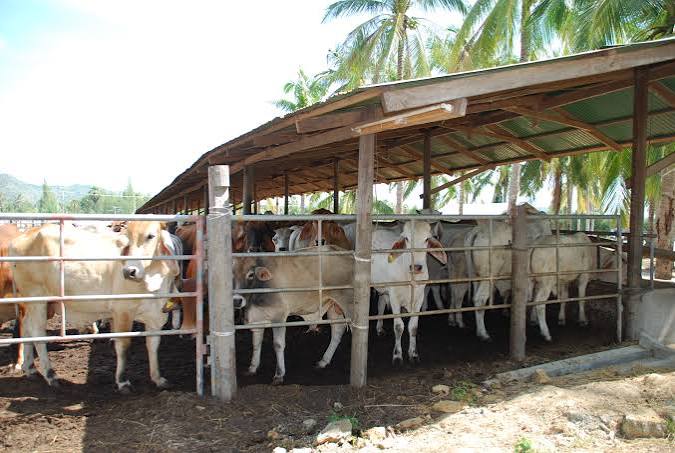
Foot-and-Mouth Disease is one of the most contagious viral diseases affecting cloven-hoofed animals, including:
-
Cattle
-
Buffaloes
-
Pigs
-
Sheep
-
Goats
-
Wild ruminants
Although the disease rarely affects humans, its impact on livestock production can be devastating.
Infected animals often develop fever, painful mouth ulcers and blisters on the feet, leading to reduced feed intake, severe weight loss, lower milk production and poor reproductive performance. Young animals may experience high mortality due to heart muscle damage.
Even when mortality is low in adult animals, outbreaks can result in substantial economic losses through decreased productivity, movement restrictions, export bans and costly disease control programmes.
SAT1 Strain Raises Regional Concern
One of the key priorities of this year’s meeting is the continued monitoring and containment of the SAT1 (Southern African Territories 1) serotype of the FMD virus.
Historically, SAT serotypes have largely been confined to sub-Saharan Africa. However, the recent detection and spread of SAT1 beyond its traditional geographical range has prompted heightened vigilance across Asia.
Because many livestock populations have limited immunity to this serotype, veterinary authorities are strengthening surveillance, laboratory diagnostics and emergency response plans to reduce the risk of widespread transmission.
Experts believe that rapid detection and coordinated regional action will be essential to prevent further expansion of the virus.
Regional Cooperation Is Critical
Unlike many livestock diseases, Foot-and-Mouth Disease does not respect national borders. The movement of animals, livestock products, wildlife and even contaminated equipment can facilitate the spread of the virus between neighbouring countries.
Recognising these challenges, the SEACFMD programme has, for more than two decades, promoted regional collaboration in:
-
Disease surveillance
-
Laboratory diagnostics
-
Information sharing
-
Emergency preparedness
-
Vaccination strategies
-
Veterinary capacity building
-
Cross-border outbreak response
The Ulaanbaatar meeting provides an important platform for member countries to review recent outbreaks, exchange technical knowledge and strengthen coordinated disease control measures.
Economic Stakes Are Enormous
Beyond its animal health impact, Foot-and-Mouth Disease poses a major economic threat to livestock-dependent economies. According to assessments referenced by the Food and Agriculture Organization (FAO), uncontrolled spread of the SAT1 strain across Asia could expose the region to agricultural losses of up to US$2 billion annually through production losses, disease control costs and disruption of domestic and international livestock trade.
Countries with large dairy, beef, pig and small ruminant sectors are particularly vulnerable because FMD outbreaks can trigger immediate trade restrictions and significantly affect farmer incomes.
For many developing economies, protecting livestock health is closely linked to food security, rural livelihoods and economic stability.
Why the Meeting Matters for India
India possesses one of the world’s largest populations of cattle and buffaloes, making effective regional disease surveillance especially important. Although India has invested heavily in national Foot-and-Mouth Disease control programmes, the country’s extensive livestock movement and close trade links with neighbouring nations mean that regional cooperation remains essential.
Continued collaboration through WOAH’s SEACFMD framework supports:
-
Earlier detection of emerging FMD strains
-
Improved laboratory preparedness
-
Better vaccine planning
-
Faster exchange of epidemiological information
-
Stronger regional biosecurity

