


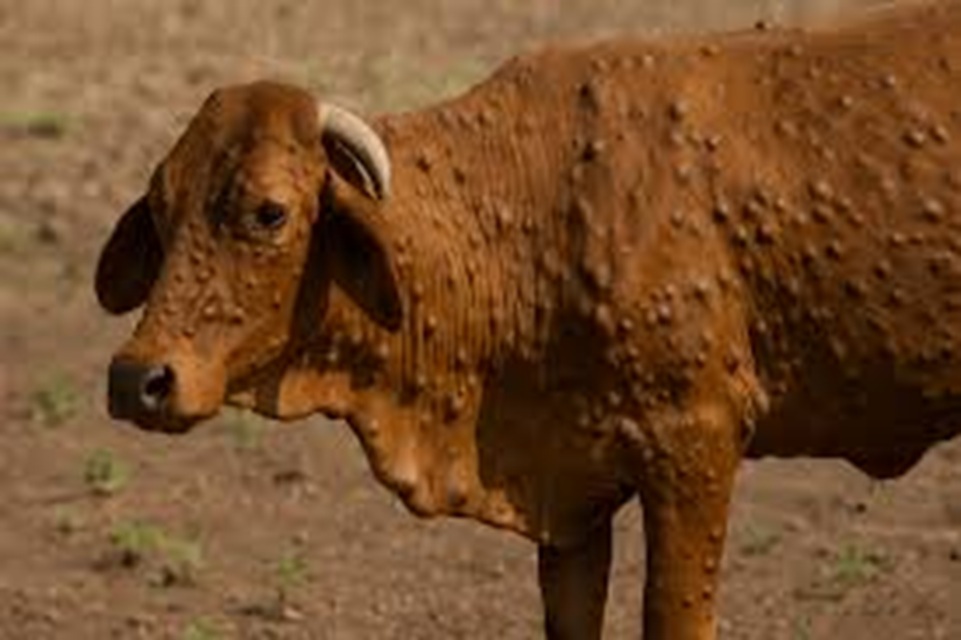
Veterinary authorities intensify containment planning as LSD spreads beyond traditional endemic zones
European veterinary authorities are on high alert after fresh reports on May 15 confirmed that Lumpy Skin Disease (LSD) has reached Western Europe for the first time, marking a major epidemiological shift for one of the livestock industry’s most economically damaging transboundary cattle diseases.
The emergence of the disease in Western Europe has triggered urgent discussions within the European Union over:
- emergency vaccination strategies
- movement restrictions
- surveillance expansion
- vector-control measures
- regional livestock trade safeguards.
Industry participants and veterinary epidemiologists described the development as – one of the most significant cattle-health threats currently facing Europe.
What Is Lumpy Skin Disease?
Lumpy Skin Disease is a highly contagious viral disease affecting cattle and buffaloes, caused by the LSD virus belonging to the Capripoxvirus genus.
The disease is characterized by:
- skin nodules
- fever
- swollen lymph nodes
- reduced milk production
- infertility
- severe weight loss
- hide damage
- occasional mortality.
Although mortality rates are usually limited, the disease causes substantial economic losses through:
- productivity decline
- trade disruption
- vaccination costs
- movement controls
- reproductive losses.
First Major Western European Detection Raises Alarm
Until recent years, LSD was primarily confined to:
- Africa
- parts of the Middle East
- sections of Eastern Europe
- South Asia specifically India
However, the disease has progressively expanded geographically over the past decade, aided by:
- climate-related vector spread
- livestock movement
- changing ecological conditions
- insect transmission dynamics.
The latest reports indicating Western European detection represent a major escalation because the region contains some of the world’s most valuable:
- dairy industries
- beef production systems
- cattle genetics programs
- livestock export networks.
Europe’s Cattle Industry Faces New Biosecurity Challenge – European Cattle Sector Snapshot
| Indicator | Estimate |
|---|---|
| EU cattle population | ~74 million head |
| Major dairy producers | Germany, France, Netherlands, Ireland |
| Annual EU dairy value | >€170 billion |
| Major risk factors | Vector spread, animal movement, climate variability |
Veterinary authorities warned that LSD spread into Western Europe could create significant risks for:
- dairy productivity
- breeding operations
- export certification
- cross-border livestock transport.
Emergency Vaccination Discussions Intensify
Following confirmation of the disease’s expansion, EU veterinary officials reportedly initiated emergency consultations regarding:
- strategic vaccination stockpiles
- ring vaccination
- regional vaccination campaigns
- coordinated outbreak containment.
Historically, live attenuated vaccines have been the primary control tool used against LSD outbreaks.
Countries affected previously in:
- Eastern Europe
- the Balkans
- the Middle East
successfully reduced outbreaks through:
- mass vaccination
- strict animal movement controls
- insect vector management.
Insect Transmission Creates Major Containment Difficulty
Unlike many directly transmitted livestock diseases, LSD spreads primarily through:
- biting flies
- mosquitoes
- ticks
- other blood-feeding insects.
This makes containment particularly challenging during:
- warm weather periods
- high insect activity seasons
- humid climatic conditions.
Veterinary experts warned that climate change and expanding vector habitats may be increasing the long-term geographical risk for LSD transmission across Europe.

