


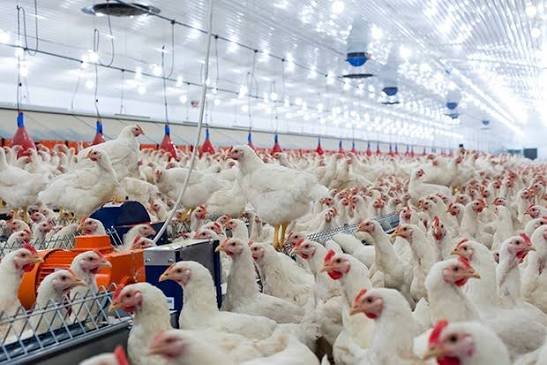
Highly pathogenic avian influenza (HPAI) has returned to Minnesota earlier than the seasonal pattern typically observed by state authorities.
The latest wave began on September 1, 2026, when HPAI was confirmed in a commercial flock of approximately 29,800 birds in Wright County. Since then, seven commercial flocks and three backyard flocks have recorded confirmed cases, involving more than 260,000 birds.
Minnesota is particularly significant because it is the leading U.S. turkey-producing state, with approximately 45 million turkeys produced annually.
State officials noted that HPAI traditionally becomes more visible during October, making the early September resurgence notable. The state had experienced approximately six weeks without confirmed disease before the September 1 detection.
The Economic Impact
When HPAI is confirmed in a commercial flock, response measures generally involve flock depopulation, cleaning and disinfection, downtime and restrictions before repopulation.
The result is a multi-layered economic impact:
-
Direct bird losses
-
Farm downtime
-
Cleaning and disinfection costs
-
Biosecurity expenditure
-
Supply-chain disruption
-
Potential effects on poultry and turkey prices
Strategic / Analyst View
The Minnesota development should be viewed as a seasonal surveillance and biosecurity signal, rather than simply another individual outbreak.
The recurrence of HPAI across the U.S. poultry sector is supporting structural demand for:
diagnostics + surveillance + biosecurity + environmental monitoring + farm-level disease intelligence.
Vaccination remains commercially complicated because vaccination policies can affect international market access and trade requirements.
For animal-health investors and suppliers, the continuing U.S. HPAI cycle strengthens the case for technologies that reduce the interval between infection, detection and containment.
Source: Minnesota Board of Animal Health reporting cited by MPR News; USDA APHIS surveillance.

