


Australia’s H5 avian influenza situation is expanding beyond conventional poultry biosecurity concerns, with authorities in Victoria considering emergency measures to protect vulnerable wild bird populations.
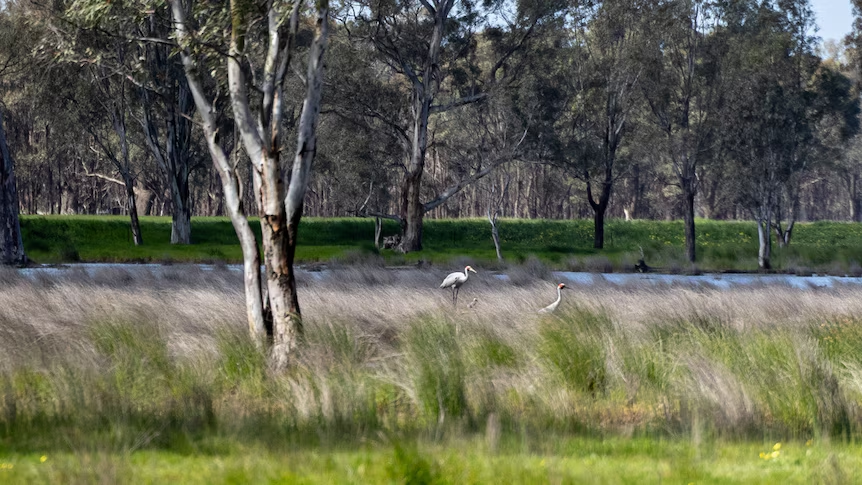
The Victorian government is assessing possible “emergency extractions” of threatened bird species from the wild as H5 avian influenza spreads through wild bird populations. Nearly 100 bird species have been identified as potentially at risk, including brolgas and black swans.
Victoria has approximately 1,000 wild brolgas, while the population in northern Victoria and southern New South Wales is estimated at only around 50 birds.
The timing is significant because spring breeding activity is bringing large numbers of birds together around wetlands, potentially increasing opportunities for viral transmission.
Agriculture Victoria has also extended targeted biosecurity requirements for poultry owners in southern Victoria. Owners of 50 or more poultry in specified areas must prevent contact between domestic birds and wild birds, their droppings and contaminated environments.
Why It Matters
The Australian situation illustrates how H5 avian influenza is increasingly being treated as a wildlife, poultry-production and biodiversity-management issue simultaneously.
The commercial implications extend beyond poultry farms to:
-
Wildlife surveillance
-
Molecular diagnostics
-
Environmental sampling
-
Poultry biosecurity
-
Veterinary laboratories
-
Wildlife rehabilitation
-
Emergency disease response
Strategic / Analyst View
Australia represents a particularly important surveillance market because its geographically distinct bird populations create a different epidemiological environment from Europe and North America.
For animal-health companies, the development reinforces demand for early-warning surveillance systems capable of detecting H5 viruses before spillover into commercial poultry populations.
The wildlife dimension may also accelerate collaboration between veterinary authorities, conservation agencies, diagnostic laboratories and poultry producers.
Source: ABC Rural and Agriculture Victoria.

