


Vietnam | Poultry | Pork | Meat Processing | Investment | Animal Health
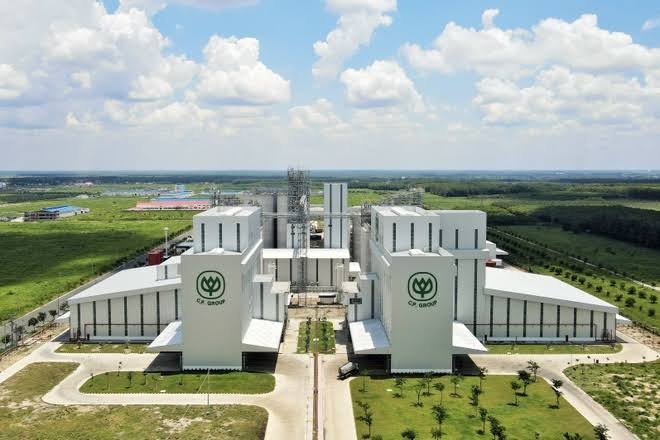
CP Vietnam has received investment approval for a new USD 17.1 million meat-processing facility in Lam Dong, adding planned processing capacity of approximately 57,000 tonnes of livestock meat per year. The project represents another step in the company’s vertically integrated protein strategy and strengthens its downstream position across Vietnam’s poultry and pork value chains.
The investment comes as Vietnam’s livestock sector continues to expand, with official statistics showing sustained growth in both pig and poultry production during the first nine months of 2026.
57,000 tonnes of new processing capacity
The planned plant will provide approximately 57,000 tonnes of annual livestock-meat processing capacity.
At the stated investment value of USD 17.1 million, the project equates to approximately USD 300 of planned capital investment for each tonne of annual processing capacity.
This is a useful indicator of the project’s industrial scale, although the figure should not be interpreted as the full cost of CP Vietnam’s wider livestock value chain, which also includes feed, breeding, farming, logistics and other infrastructure.
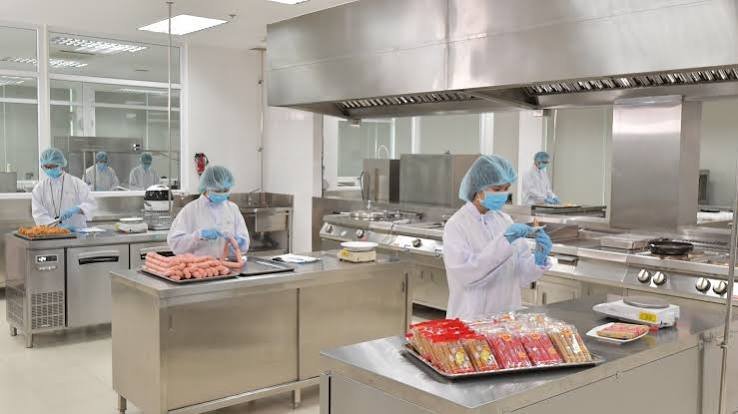
The facility will strengthen the downstream component of CP’s integrated model, connecting livestock production more closely with processing and consumer-market distribution.
Vietnam’s livestock market provides a favourable backdrop
Vietnam’s official General Statistics Office reported that livestock production continued to expand during the first nine months of 2026.
The country’s pig population at the end of September was estimated to be 5.4% higher year-on-year, while the poultry population increased approximately 3.1%, with chicken numbers up 3.5%.
Pig meat production during the first nine months reached approximately 4.28 million tonnes, representing a 4.4% increase year-on-year. Poultry-meat production reached approximately 2.02 million tonnes, up 5.3%.
These figures demonstrate that CP’s processing investment is being made against a market in which both major terrestrial protein categories are expanding.
Integration is becoming a competitive advantage
CP Vietnam’s strategy is significant because meat processing is not an isolated activity. The company’s integrated livestock model links:
Feed → Genetics → Farming → Animal Health → Processing → Distribution → Consumer
Increasing processing capacity therefore potentially allows CP to capture more value from livestock produced within its broader supply chain. It can also improve control over important operational variables including raw-material sourcing, food safety, production scheduling, cold-chain management, traceability and product consistency.
For a vertically integrated protein company, downstream processing can also provide greater flexibility in converting livestock into higher-value products rather than relying solely on live-animal or commodity-meat sales.
Animal health becomes increasingly important
The expansion has direct implications for the animal-health industry. Higher processing volumes require reliable supply of healthy, market-ready livestock. That makes upstream disease prevention economically important.
For poultry and swine producers, diseases that reduce growth, increase mortality, compromise carcass quality or cause processing condemnations can affect profitability across the entire integrated chain.
Consequently, investments in processing capacity tend to increase the economic value of:
-
vaccination;
-
veterinary diagnostics;
-
biosecurity;
-
farm surveillance;
-
antimicrobial stewardship;
-
gut-health management;
-
genetics;
-
environmental control;
-
traceability.

