


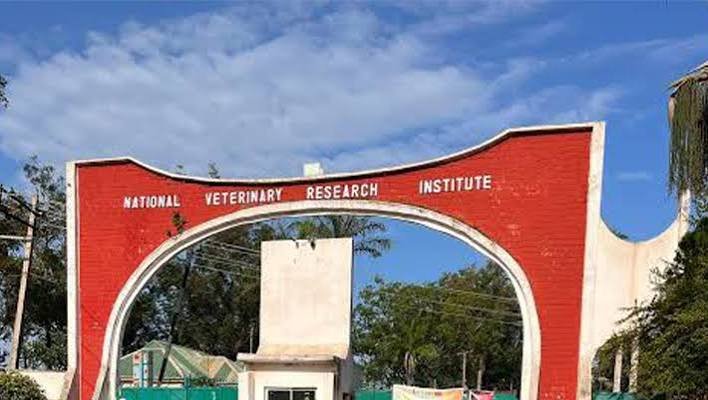
LAGOS, Nigeria — September 30, 2026: Nigeria has inaugurated a solar-powered strategic veterinary vaccine cold-storage facility in Agege, Lagos, with capacity to store approximately 40 million doses, strengthening the country’s veterinary cold-chain infrastructure and its ability to respond to livestock disease outbreaks.
The facility was commissioned on September 29 by Idi Mukhtar Maiha, Nigeria’s Minister of Livestock Development, under the Livestock Productivity and Resilience Support Project (L-PRES), a World Bank-supported programme focused on improving livestock productivity, resilience and animal-health infrastructure.
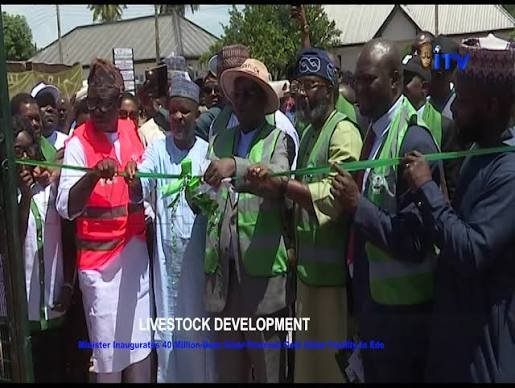
Regional vaccine hub for South-West Nigeria
The Lagos facility is designed to function as a strategic regional vaccine storage and distribution hub for South-West Nigeria. Its approximately 40-million-dose capacity is intended to improve vaccine availability, preserve vaccine potency, reduce cold-chain losses and support faster deployment during disease-control campaigns.
The facility is fully solar-powered, an important operational feature in a market where electricity reliability can directly affect temperature-sensitive veterinary biologics. Earlier reporting on the Agege project described an off-grid solar-and-battery system designed to provide continuous power for refrigeration and associated operations.
The Federal Government said the infrastructure will support prevention and control programmes targeting economically important livestock diseases, including Peste des Petits Ruminants (PPR), Contagious Bovine Pleuropneumonia (CBPP) and Foot-and-Mouth Disease (FMD).
Building a national veterinary cold-chain network
The Lagos investment forms part of a broader effort to establish a distributed national veterinary vaccine-storage network. Similar strategic facilities have been commissioned or established in locations including Abuja, Sokoto, Yola, Edo and Imo, creating additional regional capacity for vaccine storage and distribution.
The significance extends beyond storage capacity. In veterinary vaccination programmes, maintaining the required temperature range from manufacturer through final administration is critical to preserving biological potency. Expanded regional cold-chain capacity can therefore reduce wastage and improve the reliability of mass vaccination campaigns.
Production capacity targeted for major expansion
The cold-storage expansion is being accompanied by an effort to increase domestic veterinary vaccine manufacturing capacity.
According to the Minister, the modernisation of the National Veterinary Research Institute (NVRI), Vom, is expected to increase annual vaccine production capacity from approximately 120 million doses to more than 850 million doses. The stated longer-term objective is to move Nigeria toward greater veterinary vaccine self-sufficiency and potentially establish the country as a vaccine production and supply hub for West Africa and the wider African market.
The distinction is important: the Lagos project itself is a storage and distribution asset, while the NVRI programme represents the manufacturing-capacity expansion.
Strategic significance for animal health
The development reflects a broader shift from reactive outbreak response toward preventive animal-health infrastructure. For livestock-producing economies, vaccine availability is only one component of disease control; effective programmes also require reliable cold chains, surveillance, diagnostics, veterinary services, trained personnel and rapid distribution mechanisms.
For Nigeria, the combination of expanded storage capacity and planned domestic vaccine manufacturing could reduce logistical bottlenecks during emergency vaccination campaigns while strengthening preparedness against transboundary animal diseases.
Analyst View
The Lagos facility is strategically significant less because of its standalone 40-million-dose capacity than because it forms part of an emerging national veterinary biologics infrastructure. If the planned NVRI manufacturing expansion and regional cold-chain network are implemented effectively, Nigeria could progressively strengthen domestic vaccine availability while developing infrastructure capable of supporting broader West African animal-health markets.

