


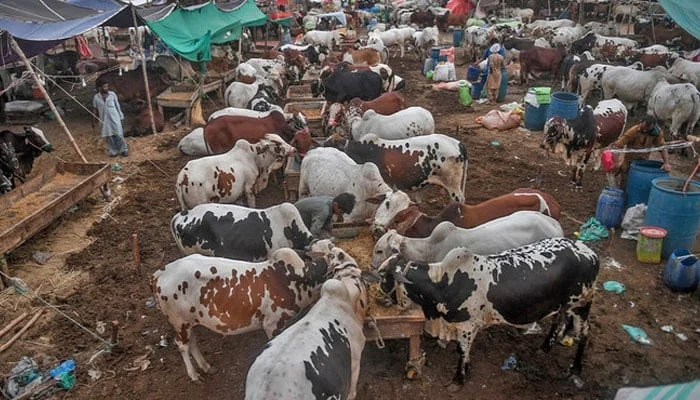
Sindh has placed its livestock sector on high alert following reports of Lumpy Skin Disease (LSD) in animals in neighbouring Punjab and Khyber Pakhtunkhwa.
Sindh Livestock Minister Muhammad Ali Malkani has directed the provincial Livestock Department to strengthen border surveillance, vaccination and quarantine measures for animals entering Sindh. Monitoring camps are being established at Kamo Shaheed, Ghotki and Guddu, while quarantine facilities are being planned at provincial entry points.
Authorities have instructed field teams to screen incoming animals and vaccinate eligible livestock. Infected animals are not to be permitted entry into Sindh.
Why It Matters
LSD is a vector-borne viral disease primarily affecting cattle and, to a lesser extent, buffaloes. Its economic impact extends beyond mortality because outbreaks can reduce milk production, impair animal condition, disrupt livestock movement and increase treatment and vector-control costs.
The Sindh response also highlights the importance of animal movement controls in managing regional livestock disease transmission. Where cattle markets, dairy supply chains and seasonal livestock movements connect provinces, localised outbreaks can quickly become cross-border animal-health risks.
Strategic / Analyst View
The immediate commercial opportunity is likely to centre on vaccination, vector control, diagnostics, biosecurity and livestock surveillance rather than therapeutic intervention alone.
For Pakistan’s dairy and cattle sectors, a sustained LSD cycle could increase demand for:
-
LSD vaccines and vaccination services
-
Vector-control products
-
Field diagnostics
-
Veterinary medicines and supportive care
-
Digital livestock traceability
-
Disease-surveillance services

