Philippines | Swine | Pork | Trade Policy | Producer Economics
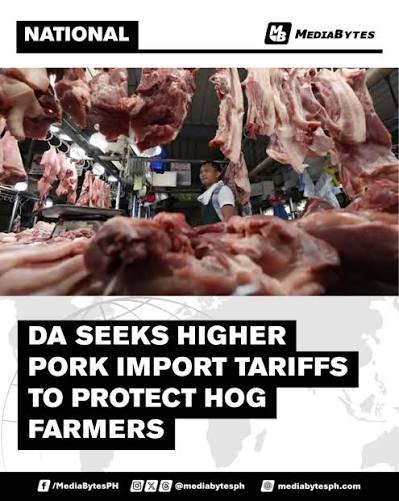
The Philippine Department of Agriculture is backing proposals to increase tariffs on imported pork as domestic hog producers continue to face significant pressure from low farmgate prices.
The policy debate comes at a difficult time for the country’s swine industry. Producer groups have argued that current farmgate prices are insufficient to provide sustainable returns, while cheaper imported pork is placing additional pressure on domestic producers.
The government is considering a phased return toward higher tariff levels that were in place before the country’s African swine fever crisis. Current tariffs have been reduced from previous levels, and industry stakeholders are seeking greater protection for domestic production.
The issue extends beyond farm profitability. Prolonged financial pressure can reduce producers’ ability to invest in biosecurity, vaccination, diagnostics, housing and herd-health programmes.
That creates an important animal-health feedback loop: weaker producer margins can lead to deferred health investments, while disease outbreaks can further increase production costs and mortality.
For animal-health companies operating in the Philippines, the policy environment could therefore influence demand for products ranging from vaccines and diagnostics to disinfectants, feed additives and gut-health solutions.
However, higher tariffs could also increase pork prices for consumers and raise costs for processors and food-service businesses. Policymakers therefore face a balancing act between producer protection, consumer affordability and domestic food security.
The Philippine swine sector remains strategically important because rebuilding domestic production after ASF requires not only herd expansion but sustained investment in disease prevention.
Animal-health industry takeaway
Pork trade policy is becoming increasingly connected to farm-level biosecurity economics. Sustainable swine production requires producers to have sufficient margins to continue investing in disease prevention.