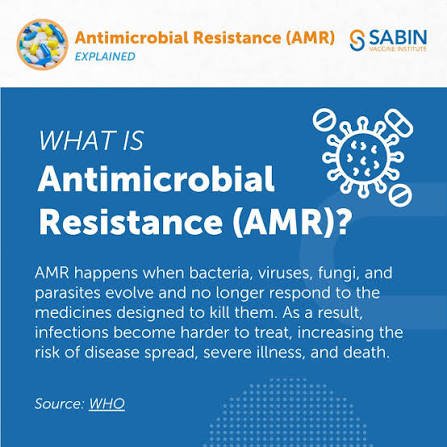
Antimicrobial resistance (AMR) remains a major concern for livestock production, including the management of bacterial respiratory disease in pigs. Surveillance programmes that monitor pathogen susceptibility can help veterinarians and producers make more informed treatment decisions and identify changes that may threaten the effectiveness of established therapies.
Zoetis has conducted antimicrobial susceptibility monitoring since 1998, initially focusing on pathogens associated with its approved bovine and swine antibacterial products in the United States and Canada. The programme has expanded over time and now covers 29 bacterial pathogens across five animal species, with participation from 32 veterinary diagnostic laboratories in the US and Canada.
Such monitoring is relevant to swine respiratory disease, where bacterial pathogens can contribute to clinical illness, reduced performance, increased treatment costs and production inefficiencies. Susceptibility data can help clinicians assess whether commonly used antimicrobial classes remain appropriate for particular pathogens and settings.
Tetracyclines are among the antimicrobial classes used in veterinary medicine. Resistance patterns can vary by bacterial species, geography, production system and antimicrobial exposure. Consequently, a finding from one surveillance programme or pathogen population should not automatically be generalised to all global swine herds.
The distinction is particularly important when interpreting claims about resistance to first-line treatments. A statement that resistance remains low for certain drugs, alongside persistent high resistance to tetracyclines, requires the underlying report’s methods, sample numbers, organisms, countries and testing period. Without those details, the scale and clinical relevance of the pattern cannot be independently assessed.
For producers and veterinarians, the practical response to AMR risk is broader than changing drug selection. It includes accurate diagnosis, appropriate antimicrobial use, vaccination where available, improved ventilation and hygiene, biosecurity, animal management and systematic monitoring of treatment outcomes.
For the animal-health industry, surveillance also has implications for product stewardship, diagnostic development and the long-term sustainability of antimicrobial portfolios. Transparent, geographically representative data are essential for distinguishing local resistance problems from wider trends.