HomeLivestockShamonda Virus Detected in Jersey Cattle: Emerging Livestock Disease Threat

Shamonda Virus Detected in Jersey Cattle: Emerging Livestock Disease Threat

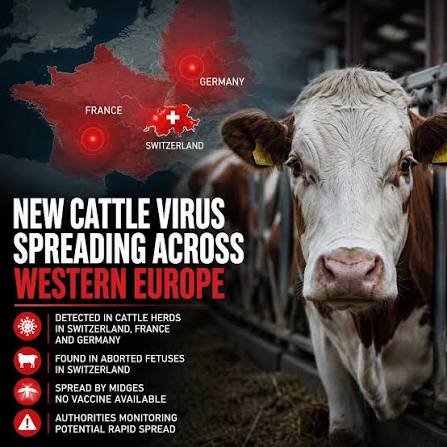
The UK Animal and Plant Health Agency (APHA) has confirmed detection of Shamonda virus (SHAV) in cattle in Jersey, marking an important new development in the geographic expansion of an emerging livestock pathogen. APHA detected the virus in August 2026 in cattle showing clinical signs consistent with cases reported elsewhere in Europe. The agency said th[td_smart_list_end]e finding confirms the virus is present in the British Isles and highlights the potential for further spread across north-west Europe.

Shamonda virus cattle

What is Shamonda virus?

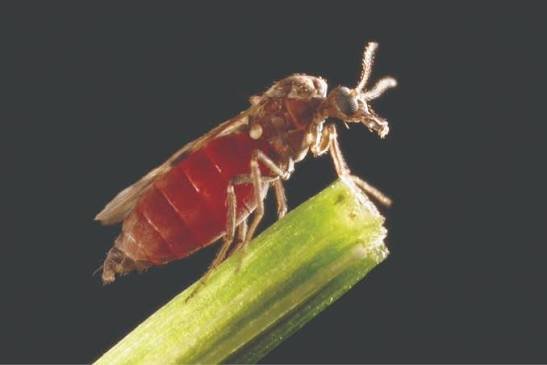
Shamonda virus is an emerging arbovirus associated primarily with Culicoides biting midges and belongs to the same broader virus group as Schmallenberg virus. During 2026, infections have been identified in several European countries. In cattle, reported clinical signs include:

  • Fever

  • Diarrhoea

  • Lethargy

  • Reduced milk production

  • Reproductive losses, including abortions

APHA also notes concern that infection during pregnancy could potentially result in congenital abnormalities, although these clinical manifestations are not specific to SHAV and can overlap with other livestock diseases.

The virus has also been detected in sheep, goats, alpacas and horses in Europe. Particularly noteworthy are reports of horses with neurological disease in Germany and Switzerland. APHA is continuing investigations into the significance of these neurological presentations.

Why the Jersey detection matters

Jersey represents an important surveillance location because of its proximity to Great Britain and continental Europe. Detection there does not establish widespread transmission across the UK, but it demonstrates that the virus has reached the British Isles.

The epidemiological risk is therefore less about the individual detection and more about the combination of:

Vector presence + susceptible livestock + animal movement + geographic proximity + an emerging virus.

This is the same broad epidemiological framework that has made other Culicoides-borne diseases such as bluetongue and Schmallenberg important European livestock-health issues.

Animal-health industry implications

For the veterinary and livestock industries, SHAV highlights the increasing importance of syndromic surveillance and differential diagnosis.

Clinical signs such as fever, diarrhoea, milk-production decline and reproductive problems can have numerous causes. Consequently, relying only on clinical presentation may not distinguish SHAV from endemic infections or other exotic diseases.

APHA has developed diagnostic testing and is encouraging veterinarians to investigate compatible livestock and equine cases.

Strategic / Analyst View

The significance of Shamonda virus extends beyond a single island detection.

The European experience increasingly demonstrates that vector-borne disease surveillance is becoming a core livestock-productivity issue, rather than simply a disease-control function.

For dairy businesses, the potential economic pathway is:

SHAV infection → reduced milk yield / reproductive losses → increased veterinary intervention → lower herd productivity → replacement and breeding costs.

For animal-health companies, this creates potential demand for diagnostics, surveillance systems, vector monitoring, veterinary decision-support tools and eventually preventive interventions, depending on how the epidemiology develops.

Bottom line

Shamonda virus has now moved from a continental European emerging-disease story to a British Isles surveillance concern. The next critical indicators will be geographic spread, vector distribution, clinical severity, reproductive effects and evidence of sustained transmission.

Animal Health India Editorial Team
Animal Health India Editorial Teamhttps://animalhealthindia.com
Animal Health India (AHI) is an independent news and intelligence platform covering the global animal health, veterinary, livestock, poultry, companion animal and pet food sectors. Our editorial team comprises veterinary journalists, animal health professionals, regulatory affairs specialists and industry analysts with over 30 years of combined experience covering India, Asia, Europe and North America. AHI publishes news, regulatory updates, market intelligence and company news drawn from primary sources including DAHD, EMA, USDA, AVMA and leading veterinary publications worldwide.

RELATED ARTICLES