


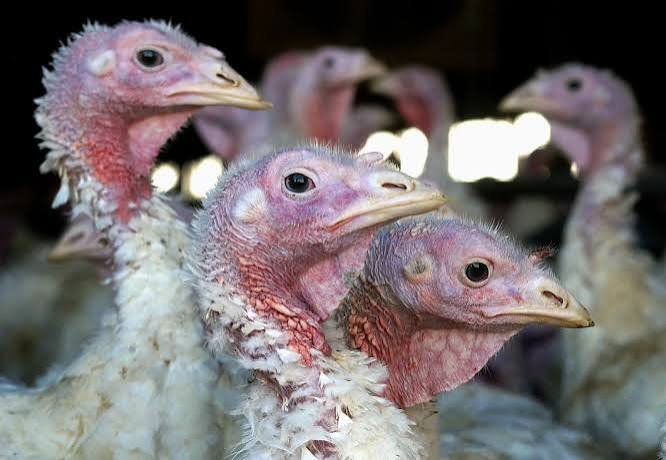
H5N1 avian influenza is again being detected across major US turkey-producing states as the autumn migration period begins. USDA-APHIS data reviewed by the University of Minnesota’s Center for Infectious Disease Research and Policy (CIDRAP) show seven commercial poultry detections since 1 September, across North Dakota, South Dakota, Minnesota and Idaho. A separate 30-day tally recorded eight commercial and six backyard flock detections affecting approximately 360,000 birds.
The affected commercial operations include turkey farms in Minnesota, North Dakota and South Dakota, as well as a commercial poultry-breeding operation in South Dakota. The largest reported September event involved approximately 61,300 turkeys in McPherson County, South Dakota, followed by a 43,800-bird operation in Turner County and a 41,600-bird commercial flock in North Dakota.
The timing is strategically important. The Upper Midwest overlaps major turkey production with autumn movements of wild waterfowl, which are recognised reservoirs and vectors for avian influenza viruses. However, the available data do not establish wild-bird introduction as the confirmed source for each individual farm.
The reported bird numbers should also be interpreted carefully. Confirmed HPAI detections in commercial poultry generally trigger whole-flock depopulation, meaning the headline number represents birds on affected premises rather than birds that necessarily died from clinical disease.
The poultry developments are occurring alongside continuing H5N1 detections in US dairy cattle. CIDRAP’s APHIS-based review identified 88 cattle detections during 2026, with two additional Idaho dairy-herd detections in the same recent period.
Animal-health industry implications
The latest activity reinforces that HPAI is increasingly becoming a recurring operating risk rather than a one-off emergency for poultry producers. The commercial opportunity therefore extends beyond emergency response to:
-
On-farm biosecurity
-
Environmental and molecular surveillance
-
Rapid diagnostics
-
Farm-worker protection
-
Wild-bird monitoring
-
Digital outbreak reporting
-
Regionalisation and trade-management systems

