


Vietnam Accelerates Investment in Meat Processing as Livestock Production Reaches New Milestone
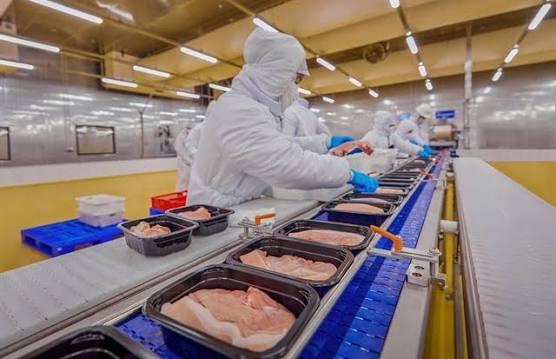
Vietnam is entering a new phase of livestock development after national meat production exceeded earlier government targets, prompting authorities to place greater emphasis on processing infrastructure, advanced production technologies and value-added products.
According to government figures, Vietnam’s total meat production has reached approximately 6.88 million tonnes, comfortably exceeding the earlier national target of 5.5–6.0 million tonnes and bringing the country close to its production objective for 2030.
With production expanding faster than anticipated, policymakers are now focusing on improving efficiency across the livestock value chain rather than simply increasing output.
From Production Growth to Value Creation
Over the past decade, Vietnam has invested heavily in modernising its livestock sector through improved genetics, better nutrition, stronger disease control programmes and greater participation from commercial farming operations.
These investments have helped increase supplies of pork, poultry, beef and other animal proteins while improving productivity across the sector.
As domestic production continues to grow, attention is now shifting towards:
-
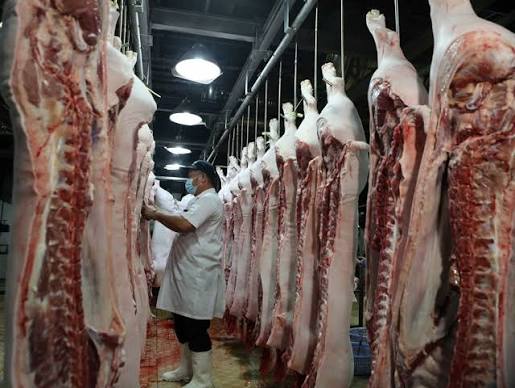
Modern meat processing facilities
-
Cold-chain infrastructure
-
Digital livestock management
-
Food safety and traceability
-
Automation and smart farming technologies
-
Higher-value processed meat products
Officials believe these investments will help reduce post-harvest losses, improve product quality and increase competitiveness in both domestic and international markets.
Processing Capacity Becomes the Next Growth Driver
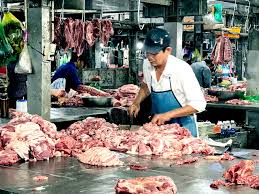
Although livestock production has expanded rapidly, processing capacity has not always kept pace. A significant proportion of meat in Vietnam continues to be sold through traditional distribution channels, limiting opportunities for value addition and export.
Expanding modern processing facilities is expected to deliver several benefits, including:
-
Longer product shelf life
-
Improved food safety
-
Greater product consistency
-
Reduced waste
-
Better market access
-
Higher returns for producers
The shift also reflects changing consumer preferences, with urban households increasingly demanding packaged, chilled and processed meat products that meet modern quality standards.
Technology Takes Centre Stage
Technology is expected to play a central role in Vietnam’s next phase of livestock development. The government is encouraging wider adoption of innovations such as:
-
Precision livestock farming
-
Automated feeding systems
-
Digital herd monitoring
-
Artificial intelligence-based farm management
-
Environmental monitoring
-
Improved breeding technologies
-
Modern slaughterhouse automation

