


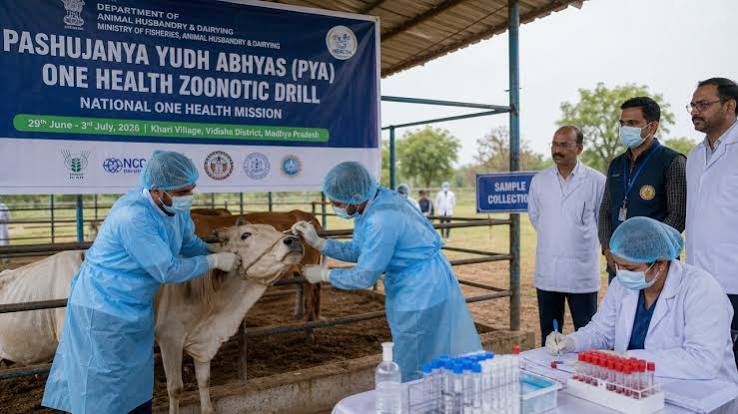
To coincide with World Zoonoses Day 2026 – India has completed one of its most comprehensive national animal health emergency preparedness exercises with the successful conclusion of Pashujanya Yudh Abhyas, a five-day simulation led by the Department of Animal Husbandry & Dairying (DAHD).
The nationwide mock drill brought together veterinary authorities, state animal husbandry departments, disease surveillance agencies and emergency response teams to evaluate the country’s readiness to respond to major transboundary animal diseases and zoonotic threats.
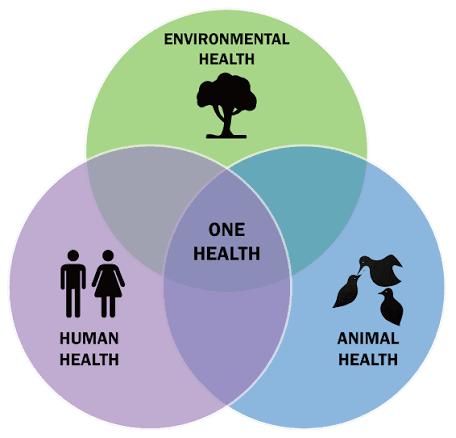
The exercise forms part of the Government of India’s broader One Health strategy, which seeks to strengthen coordination between animal health, public health and environmental agencies in responding to diseases capable of crossing species barriers.
Simulating High-Consequence Disease Emergencies
The multi-day exercise tested the operational readiness of veterinary services through simulated outbreaks involving highly contagious animal diseases and zoonotic pathogens. Officials evaluated the effectiveness of surveillance systems, laboratory coordination, emergency communication, field response, movement control and inter-agency collaboration under realistic emergency conditions.
A major component of the simulation focused on preparedness for cross-species Influenza A (H1N1) and other high-consequence zoonotic viruses that have the potential to affect both animal and human populations.
The drill assessed how rapidly authorities could detect suspected cases, confirm diagnoses, activate emergency response mechanisms and implement containment measures designed to limit disease spread.
Post-Exercise Review Strengthens Response Framework
Following completion of the exercise, DAHD conducted a comprehensive assessment of operational performance to identify strengths and opportunities for improvement across the national animal disease response system.
The review resulted in updated recommendations covering rapid outbreak investigation, field epidemiology, quarantine procedures, movement restrictions, sample collection, laboratory reporting and coordination between central and state veterinary authorities.
Officials indicated that the findings will contribute to further strengthening India’s national biosecurity framework and emergency preparedness protocols for future animal health emergencies.
Reinforcing the One Health Approach
The exercise also highlighted the growing importance of the One Health framework in managing emerging infectious diseases.
Many zoonotic pathogens—including influenza viruses, Nipah virus, rabies and other transboundary diseases—require coordinated action between veterinary services, public health agencies, wildlife authorities and environmental organisations. The mock drill therefore placed significant emphasis on information sharing and coordinated decision-making across multiple sectors.
The integrated approach reflects increasing global recognition that effective management of zoonotic diseases depends on close collaboration between animal and human health systems.

 for Zoonotic Diseases Preparedness)