


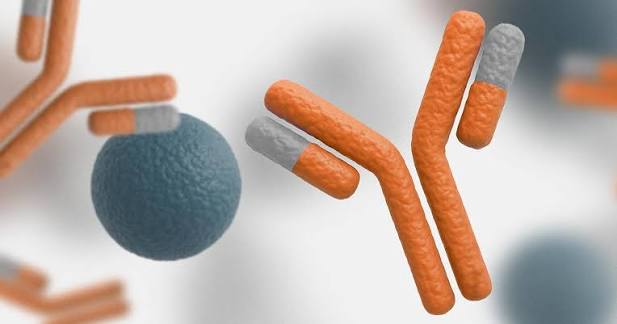
This is Part -2 of Our Special Report on Companion Animals Monoclonal Antibodies – MABs which are commercially available and their respective revenues in 2025. Savour the details….
The commercial success of veterinary monoclonal antibodies (Vet MAbs) has fundamentally changed how the animal health industry approaches chronic disease management in companion animals. Just a decade ago, monoclonal antibodies were viewed as highly specialized biologics largely confined to Human Healthcare with uncertain commercial prospects in Animal Health Industry.
Today, this class of biologicals represents one of the fastest-growing and highest-value segments of the companion animal pharmaceutical market – a segment led for last almost 10 Years exclusively and singularly by Zoetis and is now attracting huge interest from Peers.
As of mid-2026, while only 5 monoclonal antibody products have received regulatory approval for veterinary use, only in Dogs and Cats, these products have demonstrated strong clinical efficacy, excellent safety profiles and rapid market adoption, particularly in osteoarthritis pain and allergic skin disease.
The commercial achievements of Cytopoint®, Librela®, Solensia® and Lenivia® and very recently joined Portela® to this list, have validated the business case for veterinary biologics and triggered significant investment in next-generation antibody therapeutics.
Approved Veterinary Monoclonal Antibodies at a Glance
| Product | Company | Active Molecule | Species | Therapeutic Target | Primary Indication | First Approval |
|---|---|---|---|---|---|---|
| Cytopoint® | Zoetis | Lokivetmab | Dog | Interleukin-31 (IL-31) | Atopic dermatitis and allergic pruritus | 2016 |
| Librela® | Zoetis | Bedinvetmab | Dog | Nerve Growth Factor (NGF) | Osteoarthritis pain | 2020 (EU) |
| Solensia® | Zoetis | Frunevetmab | Cat | Nerve Growth Factor (NGF) | Osteoarthritis pain | 2021 (EU) |
| Lenivia® | Zoetis | Izenivetmab | Dog | Nerve Growth Factor (NGF) | Long-acting osteoarthritis pain management | 2026 |
This week another MAb – PORTELA – again from Zoetis got approvals for commercial launches in Europe and Canada. Portela is Relfovetmab and is approved as a ling-acting, once-in-3-month, injectable MAb for osteo-arthritis pain in Cats. The product is being rolled out in market at the time for this publication.
These FIVE biologics currently define the commercial veterinary monoclonal antibody market.
Cytopoint® – The Product That Created the Veterinary Biologics Market
Overview – When Zoetis launched Cytopoint® (lokivetmab), it introduced one of the world’s first monoclonal antibodies specifically developed for veterinary medicine. Rather than suppressing the immune system broadly, Cytopoint targets interleukin-31 (IL-31), a cytokine that plays a central role in itch signalling in dogs with allergic skin disease.
By neutralizing IL-31 before it binds to neuronal receptors, Cytopoint interrupts the itch cycle only while preserving normal immune function.
Why It Changed Veterinary Dermatology – Before Cytopoint, veterinarians primarily relied on:
-
corticosteroids
-
cyclosporin
-
oclacitinib
-
antihistamines and
-
allergen-specific immunotherapy
Although effective in many dogs, these treatments may require daily dosing, long-term monitoring or careful management of adverse effects. Cytopoint introduced several advantages over existing therapies:
-
Monthly injection
-
Highly targeted mechanism
-
Minimal systemic immunosuppression
-
Excellent safety profile
-
Suitable for long-term management
The product rapidly and extensively became a preferred option for chronic canine atopic dermatitis.
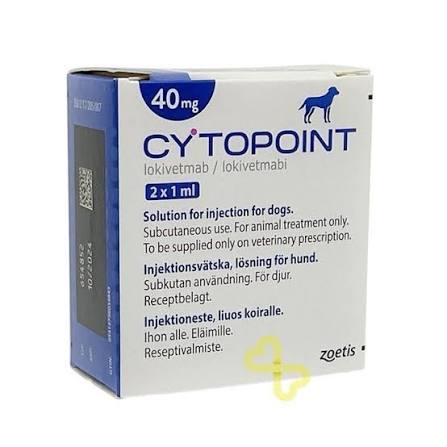
Cytopoint – Commercial Performance
Although Zoetis does not publicly disclose product-specific revenue for every biologic, financial reports consistently identify Cytopoint as one of the company’s fastest-growing companion animal brands.
Industry analysts estimate that annual global sales are now well above US$500 million, making Cytopoint one of the most successful veterinary biologics ever commercialized. Growth continues to be driven by:
-
increasing diagnosis of atopic dermatitis
-
rising pet insurance coverage
-
greater awareness among veterinarians
-
strong owner satisfaction
-
repeat monthly administration
Librela® – Redefining Osteoarthritis Pain Management in Dogs
The Need for Better Pain Control – Osteoarthritis affects an estimated 20–40% of adult dogs, with prevalence increasing dramatically in senior animals. Traditional treatment has relied primarily on:
-
NSAIDs
-
weight management
-
physiotherapy
-
nutraceuticals
-
rehabilitation
While effective, NSAIDs may not be suitable for every patient because of renal, hepatic or gastrointestinal considerations.
Mechanism of Action – Librela contains bedinvetmab, a canine monoclonal antibody directed against nerve growth factor (NGF). NGF is a key mediator of chronic pain signalling. When NGF binds to sensory neurons, it amplifies pain transmission associated with osteoarthritis.
Librela neutralizes NGF before receptor activation, reducing chronic pain without directly affecting cyclooxygenase enzymes.
Clinical Benefits – Published studies have shown:
-
improved mobility
-
reduced pain scores
-
better owner-assessed quality of life
-
monthly administration
-
sustained clinical improvement
The product has become one of the fastest-growing therapies for canine osteoarthritis.
Commercial Success of Liberela
Following launch across Europe and North America, Librela experienced exceptionally rapid adoption. Industry analysts estimate annual revenue approaching US$400, with continued expansion expected as additional markets receive approval. Librela is widely viewed as the flagship product driving growth in veterinary pain biologics.
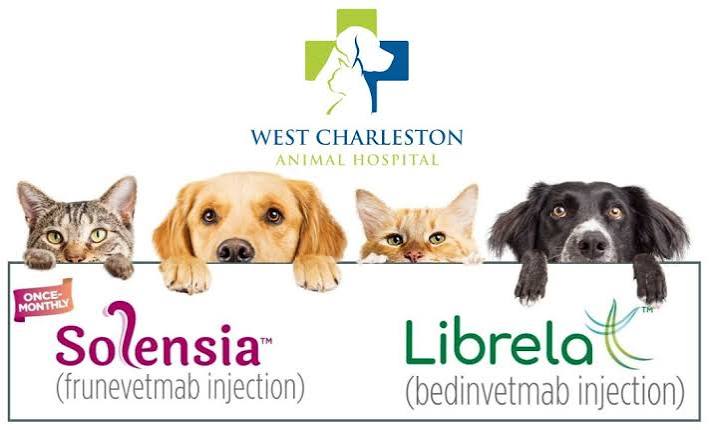
Solensia® – The First Monoclonal Antibody for Cats
Addressing an Unmet Need – Feline osteoarthritis has historically been underdiagnosed. Research now indicates that radiographic evidence of osteoarthritis is present in many older cats, although clinical signs may be subtle. Until recently, veterinarians had limited long-term therapeutic options.
Mechanism – Solensia contains frunevetmab, a feline-specific monoclonal antibody targeting NGF. The mechanism parallels Librela but is specifically engineered for cats.
Clinical Advantages – Monthly injection, Improved mobility, Increased jumping activity, Better owner-reported comfort, Excellent safety profile and Suitable for chronic treatment
Market Potential – Because cats have historically received fewer therapeutic innovations than dogs, Solensia represents an important expansion of feline medicine. Analysts expect the product to become one of the largest feline pharmaceutical brands during the coming decade.
Estimated annual sales have already exceeded US$150–200 million and continue to grow.
Lenivia® – The Next Generation of Anti-NGF Therapy
Latest Commercial Launch – Introduced in 2026, Lenivia® (izenivetmab) represents the latest expansion of Zoetis’ biologics portfolio. The product provides extended-duration pain relief for dogs with osteoarthritis.
One injection may provide pain control for up to three months in appropriate patients, reducing treatment frequency compared with monthly biologics.
Strategic Importance – Lenivia demonstrates the industry’s shift toward:
-
longer-acting biologics
-
improved owner convenience
-
enhanced compliance
-
sustained therapeutic effect
Long-duration therapies are expected to become an important competitive differentiator.
Comparative Overview of Approved Products
| Product | Disease Area | Target | Dosing Interval | Estimated Annual Sales (US$ million)* |
|---|---|---|---|---|
| Cytopoint® | Atopic dermatitis | IL-31 | Monthly | >500 |
| Librela® | Osteoarthritis | NGF | Monthly | 400–500 |
| Solensia® | Osteoarthritis | NGF | Monthly | 150–200 |
| Lenivia® | Osteoarthritis | NGF | Every 3 months | Early launch |
*Estimates based on public company disclosures, analyst reports and market intelligence; individual product revenues are not separately reported by the manufacturer.
Why Zoetis Leads the Veterinary Biologics Market
Of the currently available and commercialized 5 Monocolonal antibodies in Companion Animals Space – all 5 have being “developed” and commercialized by Zoetis only. Several factors explain Zoetis’ current leadership in this space:
Early investment – Zoetis evluation of MAbs started way back in 2013, thanks to its Parent, Pfizer when Zoetis wasn’t yet spun off. Zoetis realized building own R&D capacities in MAb space wasn’t possible because of following reasons:
Scientific expertise – Extensive biologics research capability enabled rapid product development
Manufacturing – Biologics require sophisticated manufacturing facilities, representing a significant competitive barrier.
Since none of these capabilities could be developed in-house, Zoetis made the next best possible choice of an aquisition in NexVet, announced in 2017.
USD 85 Million bet on NexVet is probably one of the best investments in terms of RoIs, by Zoetis and by even its former parent, Pfizer, excluding just-maybe Lipitor acquisition by Pfizer from American Home Products.
NexVet pipeline has been keeping Marketing Teams at Zoetis busy with commercializations and 5 of these pipeline assets have now been very successfully commercialized, with a few additional products still under development phases.
Market Impact
These MAbs, biologicals, have reshaped veterinary companion animals practice by demonstrating that biologics can:
-
improve chronic disease management
-
reduce treatment burden
-
achieve strong owner acceptance
-
command premium pricing
-
generate recurring revenue
-
extend therapeutic options beyond conventional pharmaceuticals
Their success has encouraged competitors to increase investment in antibody discovery and development, though little late in the day.
Commercial Challenges – Despite strong growth, several challenges remain:
-
High manufacturing costs
-
Cold-chain storage requirements
-
Premium pricing
-
Species-specific engineering
-
Complex regulatory pathways
-
Limited biosimilar competition
These barriers also contribute to the strong market position of the well established and entrenched innovator, Zoetis and that also explains 10-Years of continued sole, pole position in Companion Animals Monoclonal Antibodies segment.
Outlook
The current portfolio of approved veterinary monoclonal antibodies represents only the beginning of a broader transformation in companion animal therapeutics.
While today’s commercial market is dominated by products targeting osteoarthritis pain and allergic skin disease, the underlying technologies are rapidly being applied to additional chronic conditions, including oncology, chronic kidney disease, inflammatory bowel disease and metabolic disorders.
Over the next decade, biologics are expected to account for an increasing share of companion animal pharmaceutical revenues, supported by continued innovation, expanding regulatory approvals and growing acceptance among veterinarians and pet owners and just hopefully and wishfully new competitors’ too.
Select References:
-
Zoetis Inc. Annual Reports (2023–2025) and Investor Presentations
-
U.S. FDA Center for Veterinary Medicine (CVM) – Freedom of Information Summaries for Cytopoint, Librela and Solensia
-
European Medicines Agency (EMA) – European Commission decisions and EPARs for Cytopoint, Librela and Solensia
-
Gruen ME et al. Journal of Veterinary Internal Medicine – Clinical evaluation of bedinvetmab in canine osteoarthritis
-
Corral MJ et al. BMC Veterinary Research – Clinical efficacy and safety of frunevetmab in feline osteoarthritis
-
Olivry T et al. Veterinary Dermatology – Lokivetmab and IL-31 inhibition in canine atopic dermatitis
-
Zoetis 2025–2026 Companion Animal Portfolio Updates and Product Information
-
Company earnings calls, SEC filings, and consensus equity analyst reports on companion animal biologics

