



A joint study published in The Journal of Immunology by researchers at the Bristol Veterinary School, the University of Surrey, and The Pirbright Institute reveals a novel mechanism to boost disease resistance in commercial poultry.
The research demonstrates that sodium butyrate—a naturally occurring gut metabolite—can “reprogram” developing chicken immune cells, enabling them to clear pathogenic bacteria such as Salmonella and Escherichia coli without triggering tissue-damaging inflammation. This discovery offers a scalable, non-antibiotic framework for livestock protection, directly aligning with global initiatives to curb agricultural antimicrobial resistance (AMR).
Biological Mechanism: Epigenetic Reprogramming
Avian macrophages and heterophils serve as the primary cellular defense against systemic bacterial invasions. However, hyper-inflammatory responses driven by these immune cells often cause severe tissue damage, impaired gut integrity, and reduced weight gain in commercial flocks.
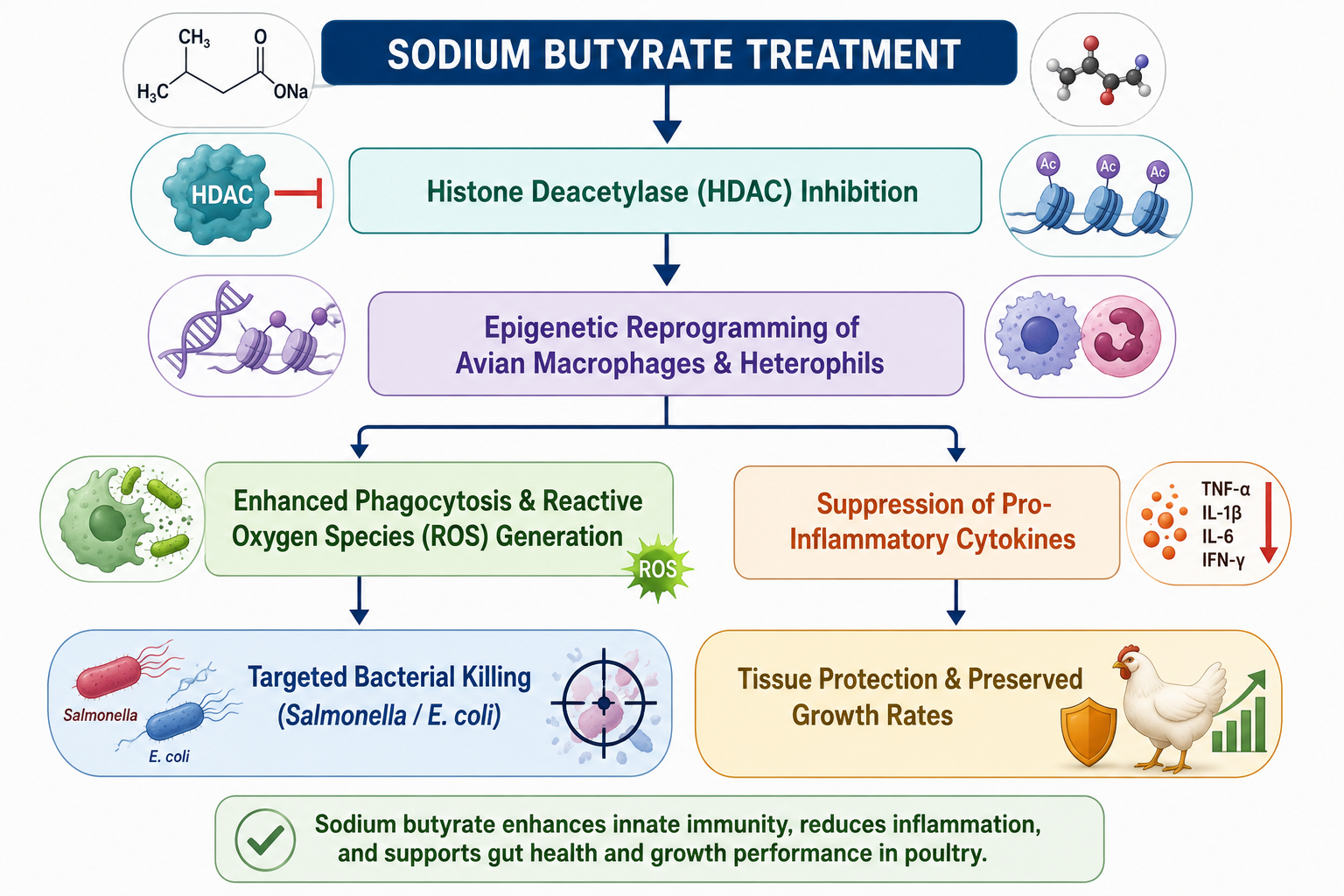
Key Biological Findings
-
HDAC Inhibition: Sodium butyrate acts as a natural histone deacetylase (HDAC) inhibitor. By modifying chromatin accessibility in developing avian immune progenitor cells, the metabolite selectively upregulates genes tied to phagocytosis and oxidative burst.
-
Pathogen Elimination: Reprogrammed immune cells exhibit a significantly higher rate of bacterial engulfment and intracellular destruction when exposed to clinical isolates of Salmonella enterica and E. coli.
-
Inflammatory Silencing: Unlike traditional immunostimulants that trigger systemic stress, sodium butyrate treatment suppresses downstream pro-inflammatory cytokine cascades, preserving gut health and energy balance in young birds.
Implications for Veterinary Medicine and Global Agriculture
Antimicrobial resistance poses a severe threat to global food security and public health. With regulatory bodies worldwide tightening restrictions on prophylactic antibiotic usage in livestock, the poultry sector faces mounting pressure to find effective alternatives
Strategic Benefits for Poultry Producers
-
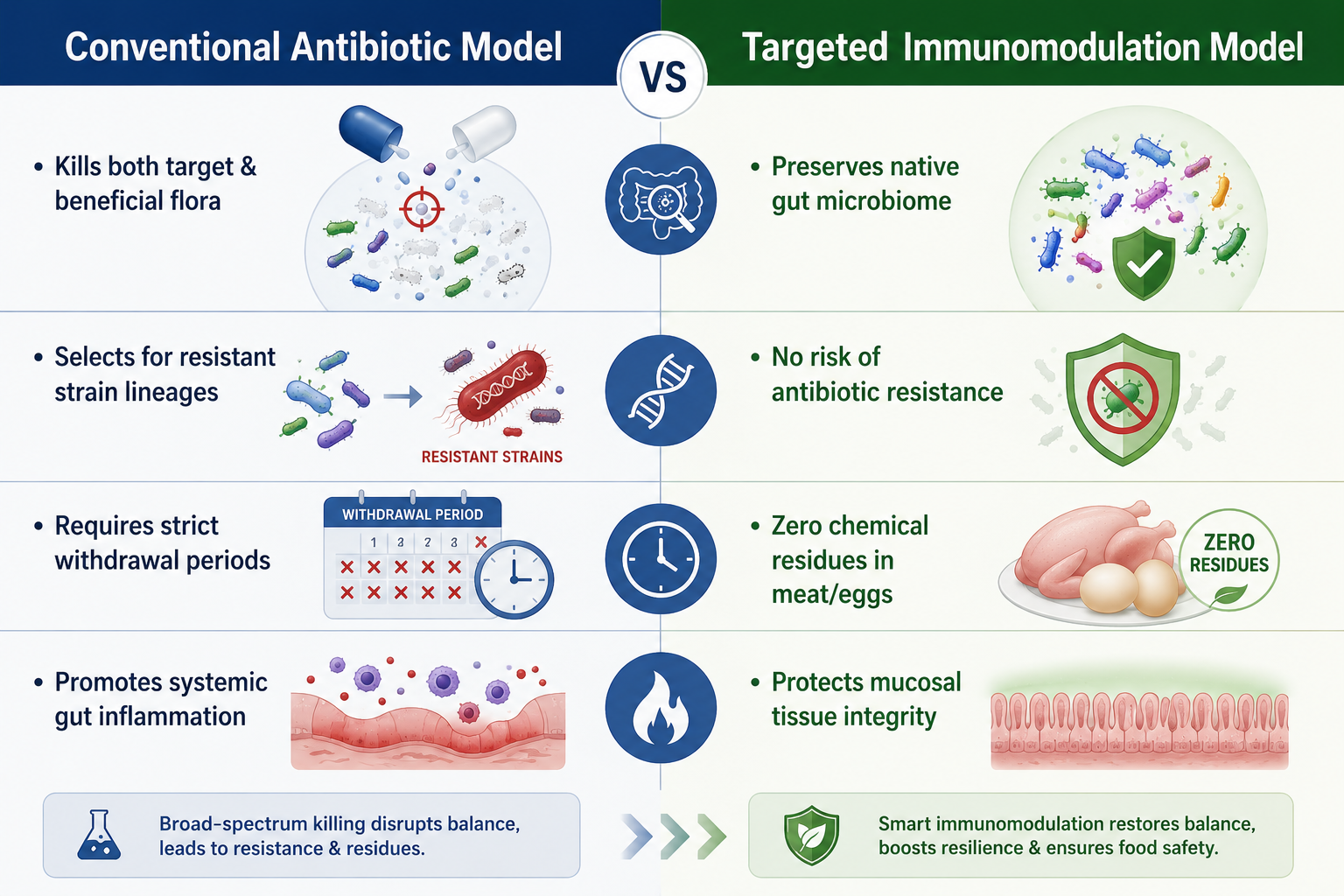
Targeted Immunomodulation: Rather than relying on broad-spectrum synthetic drugs, producers can prime the innate immune system of hatchlings during critical developmental windows.
-
Microbiome Preservation: Because sodium butyrate works through cellular reprogramming rather than direct bactericidal activity in the lumen, it preserves beneficial gut flora.
-
Residue-Free Production: As a naturally occurring short-chain fatty acid (SCFA), sodium butyrate leaves no chemical residues in meat or eggs, simplifying compliance with export regulations.
Implementation Guide for Veterinary Clinicians & Nutritionists
To translate these findings into field operations, poultry health professionals can evaluate integrated nutritional strategies:
-
In-Feed Supplementation: Incorporate microencapsulated sodium butyrate into starter diets to ensure target delivery to the distal ileum and cecum, where immune cell priming primarily occurs.
-
Early-Life Intervention: Administer butyrate precursors during the first 7–10 days post-hatch when the avian immune system undergoes rapid functional maturation.
-
Biosecurity Integration: Combine immunomodulatory feeding protocols with strict farm biosecurity to reduce overall pathogen pressure during high-risk production cycles.
Frequently Asked Questions
What is sodium butyrate?
Sodium butyrate is the sodium salt of butyric acid, a short-chain fatty acid (SCFA) produced naturally in the gut during the microbial fermentation of dietary fiber.
Does this treatment cause antibiotic resistance?
No. Sodium butyrate enhances the bird’s natural cellular immunity rather than directly killing bacteria with synthetic chemical compounds, preventing pathogens from developing resistance.
Can sodium butyrate fully replace antibiotics in poultry farming?
While it is not a direct substitute for therapeutic intervention during acute disease outbreaks, it serves as an effective prophylactic tool that significantly lowers dependency on routine antibiotics.
Scientific Reference

