



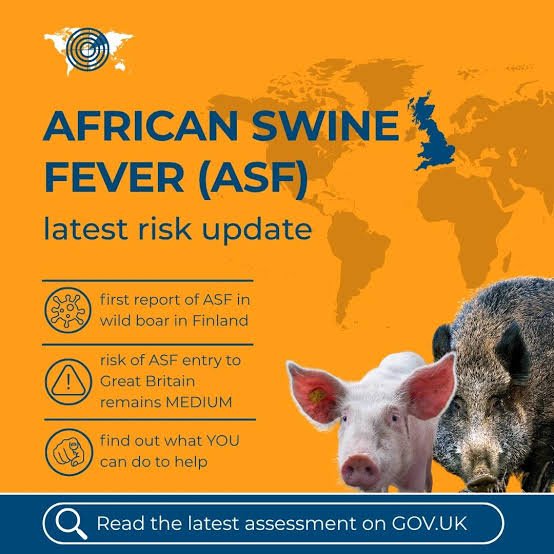
Finland’s first-ever African swine fever incursion has resulted in an expanding control programme centred on wild boar surveillance, movement restrictions and biosecurity.
Finland continues to strengthen its response to African swine fever (ASF) following the country’s first confirmed detection of the virus in July 2026.
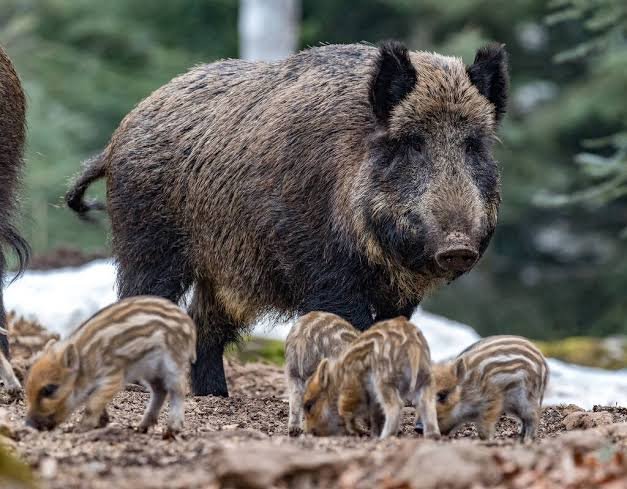
The Finnish Food Authority confirmed that the first ASF virus finding occurred on July 30, 2026, in dead wild boar in Virolahti near the country’s southeastern border. By September 1, the authority’s case database recorded 37 confirmed wild-boar cases.
Additional restricted zone established
On September 10, the Finnish Food Authority established an additional restricted zone around the infected area. The zone acts as a buffer between the infected zone and the remainder of Finland. The municipalities included in the additional restricted zone are:
-
Lappeenranta;
-
Luumäki;
-
Kouvola;
-
Loviisa; and
-
Lapinjärvi.
The measures are primarily designed to control the movement of wild boar and reduce opportunities for the virus to spread through people, vehicles, equipment and animal products.
Wild-boar management becomes central
Authorities are permitting and encouraging wild-boar hunting within the additional restricted zone, but hunters must submit ASF samples from every hunted wild boar for testing. Movement of wild-boar carcasses and fresh meat from wild boar is prohibited unless specific conditions are met.
The Finnish authorities are also requiring appropriate disposal of hunted animals that are not used for private consumption.
Domestic pigs remain protected through biosecurity
The additional restricted zone prohibits movement of live pigs from the zone to destinations outside Finland. Pig establishments within the zone must prevent direct and indirect contact between domestic pigs and wild boar.
Protective clothing, footwear, handwashing and disinfection requirements also apply. This is consistent with the central epidemiological challenge posed by ASF: the virus can spread not only through infected animals but also through contaminated materials and human activity.
The Finnish case demonstrates the wild-boar challenge
Finland’s outbreak is particularly significant because the country had previously remained free from ASF. Once ASF enters a wild-boar population, eradication becomes considerably more complex than simply treating infected domestic herds.
Wild boar can move across landscapes and create a persistent reservoir. Consequently, control requires:
-
wildlife surveillance;
-
carcass detection and removal;
-
controlled population management;
-
movement restrictions;
-
farm biosecurity;
-
diagnostic capacity; and
-
rapid detection.
Implications for Europe’s pork industry
Finland’s experience demonstrates that countries previously free of ASF remain vulnerable to incursions. The commercial implications extend beyond disease losses. ASF can affect:
-
domestic pig production;
-
pork exports;
-
international trade;
-
breeding stock movement;
-
slaughterhouse utilisation;
-
feed demand; and
-
insurance and biosecurity expenditure.

