


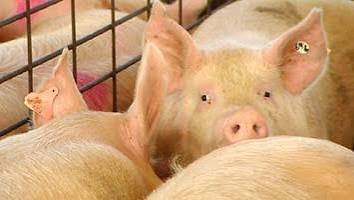
A new Japanese encephalitis virus (JEV) detection in commercial pigs in Queensland has reinforced ongoing concerns around mosquito-borne disease risk in Australia’s livestock sector.
Animal Health Australia reported the detection as part of continued surveillance following previous JEV detections in people, commercial pigs and feral pigs.
JEV is transmitted primarily by mosquitoes, with pigs acting as important amplifying hosts in the epidemiological cycle.
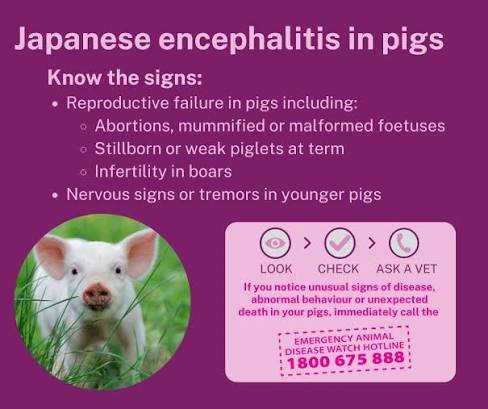
Why Commercial Pig Herds Matter
Commercial pigs can become infected following mosquito exposure, creating an important surveillance indicator for regional viral circulation.
Risk can increase when mosquito populations expand following suitable environmental conditions.
Biosecurity Implications
Farm-level prevention strategies can include mosquito management, surveillance, animal movement controls and coordination with veterinary authorities.
JEV also illustrates the increasing importance of One Health surveillance, because the same environmental conditions can create risk across animal and human populations.
Analyst View
Vector-borne diseases represent a growing operational risk for livestock producers in regions experiencing changing climatic and ecological conditions.
For the pork industry, investment in surveillance and early-warning systems may become increasingly important alongside traditional biosecurity.

