


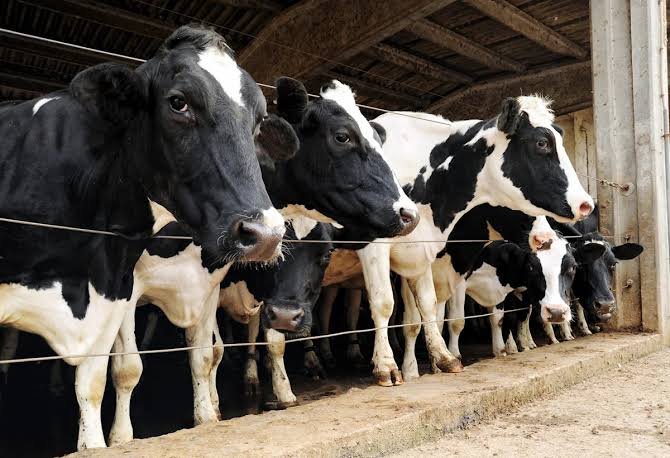
Washington confirms additional H5N1 detections in dairy cattle
Washington State has reported multiple detections of highly pathogenic avian influenza (HPAI) H5N1 in dairy cattle during October 2026, prompting continued veterinary surveillance and biosecurity measures.
The first detections in Washington dairy cattle were confirmed by the USDA National Veterinary Services Laboratories on October 8, following diagnostic testing at the Washington Animal Disease Diagnostic Laboratory. Subsequent state reporting documented additional affected dairy herds in Yakima and Benton counties.
A Washington State Department of Agriculture announcement on October 26 confirmed H5N1 in a Benton County dairy herd. The affected herd was placed under quarantine, with veterinary teams implementing biosecurity measures and treating clinically affected animals.
Genomic surveillance identifies the B3.13 lineage
Washington’s state surveillance information reports that genetic sequencing from affected Yakima County dairy cattle identified the B3.13 lineage.
B3.13 is a bovine-adapted H5N1 lineage that has been associated with the US dairy-cattle outbreak since 2024.
The identification of this lineage is important because genomic surveillance helps veterinary authorities understand viral circulation, investigate transmission patterns and distinguish different viral lineages. The state has reported no evidence from the cited sequencing information of mammalian adaptation or human-to-human transmission.
Genomic characterisation does not eliminate the need for ongoing surveillance, particularly in dairy production systems where animal movements, shared equipment and contact between farms can influence disease spread.
What are the clinical warning signs in dairy cattle?
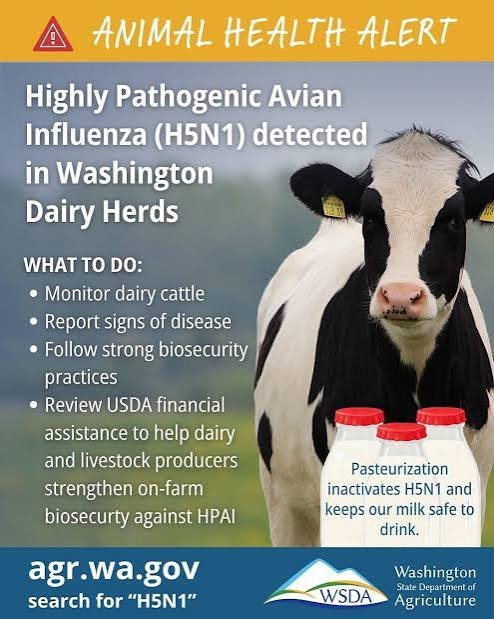
Washington authorities have advised dairy producers and veterinarians to remain alert for clinical signs that may be associated with H5N1 infection. These include:
-
Reduced milk production.
-
Changes in milk appearance, including thicker or discoloured milk.
-
Reduced feed intake.
-
Fever.
-
Respiratory signs.
-
General deterioration in animal condition.
The presentation can vary, and suspected cases require prompt veterinary investigation and appropriate laboratory testing.
Pasteurised milk and dairy products remain safe for consumers when processed according to established food-safety requirements, as communicated by the state authorities.
Surveillance and movement controls
Washington’s response includes quarantine of affected herds, veterinary monitoring and movement-related controls.
The state also requires permits and Certificates of Veterinary Inspection for cattle entering Washington and is tracking animals originating from affected states. The wider US National Milk Testing Strategy has been an important part of H5N1 surveillance in dairy cattle.
However, the claim that Washington has newly expanded rapid bulk-milk PCR deployment across the Pacific Northwest during October 29–30 could not be independently verified from the official sources reviewed. It should not be presented as a confirmed new operational measure without an additional state or USDA announcement.
Implications for dairy producers and animal-health companies
The continued detection of H5N1 in dairy herds reinforces the need for integrated disease-surveillance systems. For dairy producers, the priorities include:
-
Early identification of changes in milk production and animal health.
-
Appropriate isolation and veterinary assessment of suspect animals.
-
Farm-level biosecurity and hygiene.
-
Monitoring animal movements.
-
Cooperation with state and federal surveillance programmes.
-
Maintaining appropriate worker-protection procedures.

