


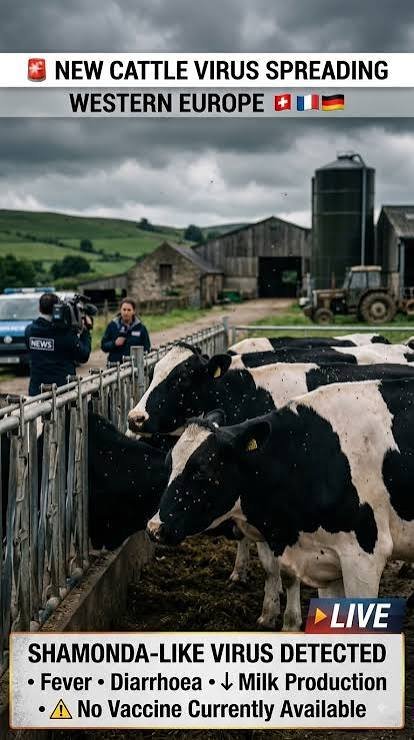
Shamonda virus emerges as an important European livestock surveillance concern
Shamonda virus (SHAV), an orthobunyavirus transmitted by biting midges, has emerged as an important livestock-health surveillance issue in Europe during 2026. The virus belongs to the Simbu serogroup and is related to other livestock-associated orthobunyaviruses, including Schmallenberg virus.
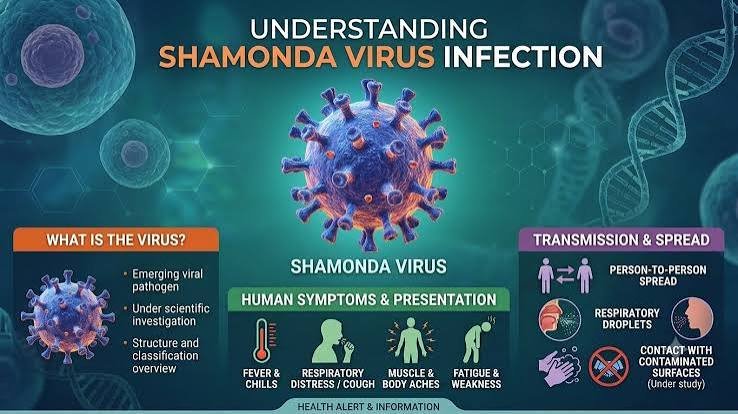
Following its detection in European farm animals during 2026, the virus has been identified in livestock across multiple countries, prompting increased attention from veterinary authorities, researchers and animal-health surveillance organisations.
The European Centre for Disease Prevention and Control’s October 27 assessment lists detections in Austria, Belgium, France, Germany, Ireland, Italy, Liechtenstein, Luxembourg, the Netherlands, Portugal, Spain and Switzerland, as well as Jersey.
The European spread is important because vector-borne livestock diseases can cross national borders through the movement and seasonal activity of insect vectors.
Culicoides midges are central to transmission
Shamonda virus is thought to be transmitted between animals through the bites of infected Culicoides midges. These small biting insects are recognised vectors of several important livestock viruses.
Their seasonal activity is influenced by temperature, rainfall, humidity and environmental conditions. In Europe, Culicoides activity generally increases during warmer months and can extend from spring into autumn. The duration of vector activity varies between northern and southern regions.
This creates challenges for surveillance because the geographical and seasonal distribution of vector populations can influence the risk of virus transmission.
The identification of the virus in several European countries underlines the importance of coordinated veterinary and entomological surveillance.
Clinical presentation in livestock
Reports of Shamonda-type virus infection in cattle have described a range of clinical signs, including:
-
Fever.
-
Diarrhoea.
-
Lethargy.
-
Reduced milk production.
-
Respiratory signs in some animals.
-
Possible reproductive consequences.
Concerns also include abortions and congenital abnormalities in affected pregnancies. The clinical picture is still being characterised, and the severity of disease may vary according to animal species, pregnancy status, age and other factors.
It is important to distinguish between clinical observations reported in field investigations and findings that have been conclusively attributed to the virus in controlled studies.
Research teams in France have reported metagenomic detection of a Shamonda-type orthobunyavirus in cattle associated with acute clinical episodes and reproductive concerns. Further research will be necessary to establish the precise disease burden and the frequency of reproductive complications.
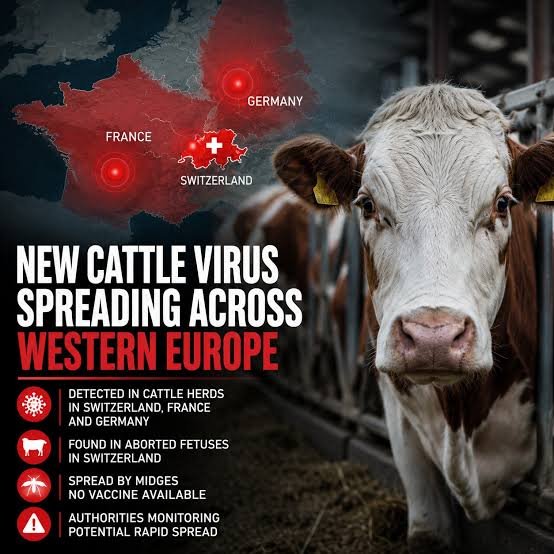
First reported human infection raises One Health interest
A significant development in the wider surveillance picture was the first documented human detection of Shamonda virus in France. French authorities reported the infection on October 22, 2026, in a severely immunocompromised patient who had been receiving treatment for a serious underlying illness.
The patient died in early October. Investigations into the contribution of the virus to the patient’s illness and the route of infection remain ongoing. The ECDC considers transmission through the bite of a Culicoides midge to be the most probable hypothesis.
The finding has increased interest in the One Health dimensions of the virus, although the available evidence does not establish a general public-health risk to the wider population.
The World Health Organization has also noted that direct animal-to-animal transmission is not considered the usual route, although transmission from an infected pregnant animal to its fetus can occur.
Implications for European livestock production
For the cattle and sheep industries, the emergence of Shamonda virus creates several surveillance and management priorities.
Dairy production – Reduced milk yield can have direct economic consequences, particularly where infection affects multiple animals in a herd.
Monitoring milk production, feed intake and general clinical condition may help identify abnormal patterns that warrant veterinary investigation.
Reproductive performance – Potential effects on pregnancy outcomes and congenital development require close attention.
Veterinary practitioners should record reproductive events and investigate unusual patterns of abortion or congenital abnormalities through appropriate diagnostic channels.
Vector surveillance – Monitoring Culicoides populations can help authorities assess seasonal disease risk and improve understanding of transmission patterns.
Animal-health diagnostics – The emerging situation creates a need for reliable molecular diagnostics, reference-laboratory capability and coordinated surveillance across national borders.
Opportunities and challenges for animal-health companies
The development is relevant to companies involved in:
-
Veterinary diagnostics and molecular testing.
-
Insect-vector surveillance.
-
Livestock biosecurity.
-
Dairy herd-health monitoring.
-
Reproductive-health diagnostics.
-
Veterinary laboratory services.

