


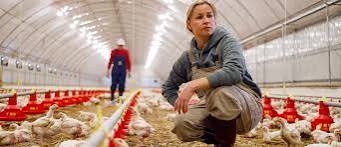
Australia’s poultry industry is urging the federal government to accelerate the evaluation of H5N1 vaccination for commercial poultry, arguing that vaccines should become part of the country’s long-term strategy to protect chicken meat and egg production if the highly pathogenic avian influenza virus reaches commercial farms.
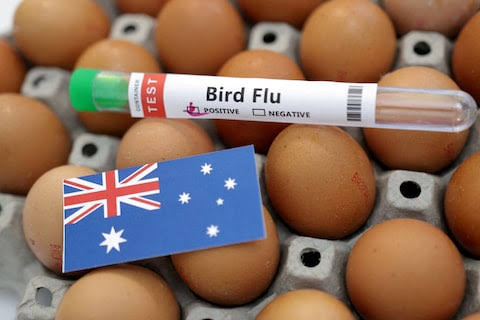
Industry leaders believe Australia’s strong biosecurity measures have been highly effective, but they also warn that relying solely on prevention may not be sufficient as the virus continues to spread across many parts of the world.
Government authorities are currently reviewing the potential role of vaccination alongside existing disease prevention and biosecurity measures. While no final policy decision has been announced, the discussion marks an important shift in Australia’s approach to avian influenza preparedness.
Why H5N1 Remains a Global Concern
Highly Pathogenic Avian Influenza (HPAI) H5N1 has become one of the most significant animal health threats facing the global poultry industry.
Over the past few years, the virus has spread across Asia, Europe, North America, South America and parts of Africa, resulting in the loss of hundreds of millions of poultry through disease outbreaks and disease-control measures. The economic impact has included:
Reduced poultry production
Higher egg prices
Disruptions in international trade
Increased production costs
Significant financial losses for poultry farmers
Although Australia has remained free from the globally circulating H5N1 lineage affecting many other countries, industry experts believe preparedness is becoming increasingly important.
Why the Poultry Industry Wants Vaccination
Australia has traditionally relied on strict biosecurity, surveillance and rapid outbreak response to keep avian influenza out of commercial poultry farms. These measures include:
Tight border controls
Farm biosecurity
Wildlife surveillance
Rapid laboratory diagnosis
Movement controls during outbreaks
Industry representatives say these systems remain essential but argue that vaccination should now be evaluated as an additional layer of protection, not a replacement for existing biosecurity programmes. If an outbreak were to occur, vaccination could help:
Reduce disease spread within flocks
Lower poultry mortality
Protect egg production
Maintain chicken meat supplies
Reduce the need for large-scale culling
Protecting Australia’s Food Security
Australia’s poultry sector supplies millions of households with affordable animal protein every day. Chicken is the country’s most widely consumed meat, while eggs remain an important source of nutrition for families. A major outbreak of H5N1 in commercial poultry could disrupt production, leading to:
Temporary shortages of poultry products
Higher retail prices
Increased pressure on producers
Supply chain disruptions
Industry leaders believe that preparing vaccination strategies before an emergency occurs would improve Australia’s ability to respond quickly if the virus enters commercial farms.
Vaccination Is Becoming a Global Discussion
Several countries are now reconsidering the role of vaccination as H5N1 becomes more widespread. Traditionally, many governments relied primarily on stamping-out policies involving culling infected flocks and imposing movement restrictions.
However, the continued spread of the virus has encouraged some countries to explore vaccination as an additional disease-control tool. Modern avian influenza vaccination programmes are generally combined with:
Intensive disease surveillance
Regular laboratory testing
Strict farm biosecurity
Controlled movement of poultry
Ongoing monitoring of vaccinated flocks
Experts emphasise that vaccination alone cannot eliminate bird flu but may reduce its impact when integrated into a comprehensive disease-control strategy.
Biosecurity Remains the First Line of Defence
Despite growing interest in vaccination, Australian authorities continue to emphasise that biosecurity remains the cornerstone of avian influenza prevention. Poultry producers are encouraged to:
Prevent contact between poultry and wild birds
Restrict visitor access to farms
Maintain strict sanitation practices
Monitor flocks for signs of illness
Report unusual bird deaths immediately
Strengthen farm hygiene and disinfection protocols
Strong biosecurity reduces the likelihood of disease entering commercial poultry operations.
Australia’s Poultry Industry at a Glance
Australia’s poultry industry is one of the country’s largest livestock sectors. The industry:
Produces billions of eggs annually.
Supplies chicken as Australia’s most popular meat.
Supports thousands of farmers and processing workers.
Contributes significantly to national food security.
Protecting the sector from emerging diseases is therefore considered a national priority.
What Vaccination Could Mean for Producers
If Australia eventually approves H5N1 vaccination for commercial poultry, producers could benefit from an additional disease management option. Potential advantages include:
Greater protection during outbreaks
Improved flock health
Reduced production losses
Better continuity of poultry supply
Increased confidence across the supply chain
However, vaccination programmes would also require careful planning, including vaccine selection, monitoring systems and compliance with international trade requirements.
Trade Considerations Will Be Important
One of the key challenges surrounding poultry vaccination is its potential impact on international trade. Many importing countries require evidence that poultry products originate from flocks free of avian influenza.
Modern surveillance systems and internationally recognised vaccination protocols can help maintain market confidence, but trade policies vary between countries. Australian authorities are therefore expected to consider both animal health benefits and export implications before making any policy changes.
Industry Perspective
The current review reflects a broader shift in global thinking about avian influenza management. As H5N1 becomes established in wild bird populations across several continents, many countries are moving beyond emergency response planning and exploring long-term strategies to protect food security.
For Australia, evaluating vaccination does not signal a weakening of biosecurity. Instead, it represents a proactive effort to strengthen preparedness by adding another scientific tool to an already robust disease prevention system.
Key Takeaways
- Australia’s poultry industry is urging the federal government to accelerate the evaluation of H5N1 vaccination for commercial poultry
- Industry leaders want vaccination to complement existing biosecurity measures and strengthen national preparedness
- Authorities are reviewing the potential role of vaccination, although no policy decision has been announced
- Vaccination could help protect chicken meat and egg supplies if H5N1 reaches commercial poultry farms
- Australia continues to rely on strong biosecurity, surveillance and rapid response as its primary defence against avian influenza
- The discussion reflects a growing global trend toward integrating vaccination into comprehensive bird flu control strategies.
Why This Matters for the Animal Health Industry
Australia’s review of H5N1 poultry vaccination highlights how avian influenza control strategies are evolving worldwide. As outbreaks become more frequent and geographically widespread, governments and poultry industries are increasingly exploring vaccination alongside surveillance and biosecurity to improve resilience.
The outcome of Australia’s evaluation could influence disease-control policies in other H5N1-free countries and create new opportunities for poultry vaccine manufacturers, veterinary diagnostics companies and animal health service providers. It also reinforces the importance of preparedness in safeguarding food security, protecting poultry welfare and ensuring stable supplies of chicken meat and eggs.

