


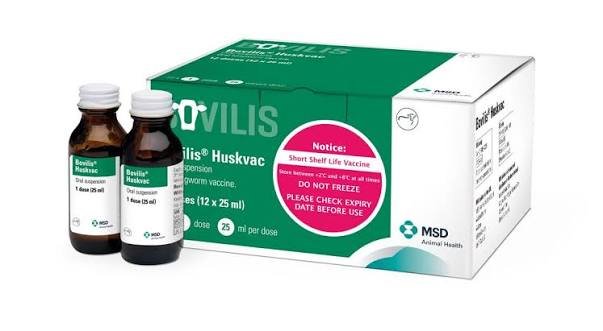
UK cattle producers are being advised to prepare for the planned discontinuation of Bovilis Huskvac, a lungworm vaccine used for prevention of bovine lungworm disease.
MSD Animal Health UK has confirmed that the vaccine will remain available through the 2027 lungworm season, but production will cease thereafter. The National Farmers’ Union (NFU) is encouraging farmers and veterinarians to use the remaining period to develop alternative control strategies.
Why lungworm control matters
Bovine lungworm, caused by Dictyocaulus viviparus, can affect grazing cattle and is particularly relevant to youngstock, although adult cattle can also develop disease. Clinical consequences can include:
-
coughing and respiratory distress;
-
reduced growth;
-
loss of body condition;
-
lower milk production;
-
severe disease and mortality in some cases.
The withdrawal therefore represents a significant change for farms that have incorporated vaccination into their routine preventive-health programmes.
Why is the vaccine being withdrawn?
According to the NFU, MSD’s decision follows its broader review of UK manufacturing operations.
The specialised production process for Bovilis Huskvac could not be transferred to another manufacturing facility within the company’s global network, and attempts to identify a suitable contract manufacturer were unsuccessful.
What happens after 2027?
The UK cattle industry will need to rely on combinations of:
Risk assessment → grazing management → veterinary surveillance → strategic antiparasitic treatment → resistance management
Anthelmintics will continue to have a role, but the NFU stresses the importance of responsible use because unnecessary or poorly timed treatment can contribute to anthelmintic resistance.
The transition therefore should not simply be viewed as a vaccine-to-drug substitution.
Industry implications
The withdrawal could create opportunities for companies working in:
-
parasite diagnostics;
-
faecal monitoring;
-
precision parasiticide use;
-
veterinary decision-support systems;
-
alternative vaccines;
-
pasture-risk management;
-
herd-health consultancy.

