HomeLivestockNew World Screwworm Cases in Texas and New Mexico Raise US Livestock...

New World Screwworm Cases in Texas and New Mexico Raise US Livestock Alert

US animal-health authorities face renewed pressure to contain New World screwworm (Cochliomyia hominivorax) after detections in wildlife in Texas and a beef cow in New Mexico were reported on 21 October 2026.

Reuters reported that the US Department of Agriculture confirmed a detection in an elk in Pecos County, Texas, alongside a separate case involving a beef cow in New Mexico. The developments highlight the risk posed by a parasitic fly whose larvae feed on living tissue and can cause serious wounds and animal losses.

Why the Detections Matter

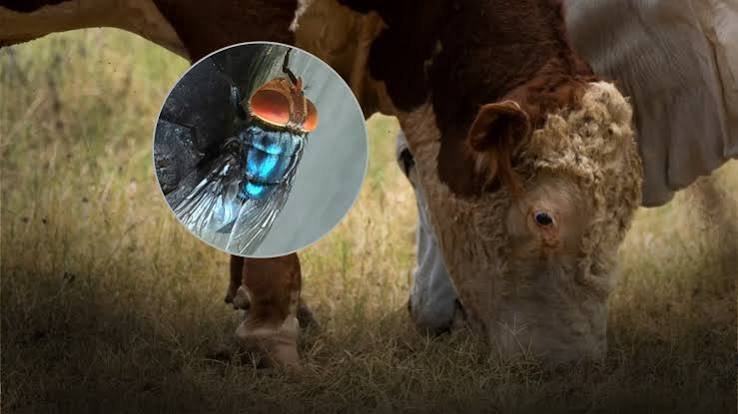
New World screwworm is not an ordinary wound-infesting fly. Female flies lay eggs in wounds or other suitable tissue, and emerging larvae feed on living flesh. Infestations can cause severe tissue damage, secondary infection and, if untreated, death. Livestock, wildlife, pets and people can be affected.

The emergence of detections in both livestock and wildlife matters because wild animals may complicate surveillance and eradication. Wildlife movements can extend the geographical area that authorities need to monitor, while livestock movement can create additional opportunities for spread if infested animals are not identified before transport.

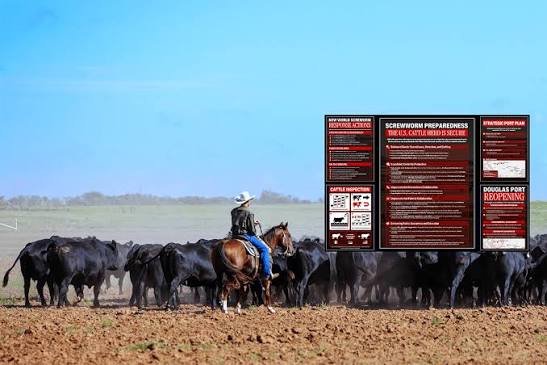
Newworld Screwworm Cases in Texas and New Mexico Oct 2026

Quarantine and Movement Controls: Verify the Specific Order

A 12.4-mile (20-kilometre) radius infested zone was established following a New Mexico detection in September 2026. However, the New Mexico Livestock Board’s 18 September release concerned a horse in Grant County, not the new beef-cow case reported in October. The zone and associated requirements must not automatically be attributed to the October case without a current official order confirming that they apply.

Texas already has movement requirements associated with established New World screwworm infested zones. The Texas Animal Health Commission states that warm-blooded animals cannot leave an infested zone without prior authorisation, and animals moving out of affected areas may need to be inspected by an authorised inspector. The agency also reports ongoing surveillance and sterile-fly release activity.

Accordingly, claims that every livestock animal within a new 12.4-mile ring must receive chemical treatment before any movement should not be published as a universal rule without the relevant order. Inspection, treatment and movement requirements can differ according to the specific zone, species and intended movement.

Implications for livestock businesses

The immediate priorities for producers and veterinarians are wound inspection, prompt veterinary assessment of suspicious infestations, reporting and compliance with official movement requirements. Transporters, auction markets and livestock buyers should confirm the applicable rules before moving animals from affected areas.

For the wider livestock industry, the issue reinforces the economic value of early detection. Delays in identifying an infestation can increase animal-welfare risks, disrupt trading and trigger more extensive surveillance and movement controls. Wildlife monitoring is also important because it can help authorities identify transmission beyond livestock premises.

Animal Health India Editorial Team
Animal Health India Editorial Teamhttps://animalhealthindia.com
Animal Health India (AHI) is an independent news and intelligence platform covering the global animal health, veterinary, livestock, poultry, companion animal and pet food sectors. Our editorial team comprises veterinary journalists, animal health professionals, regulatory affairs specialists and industry analysts with over 30 years of combined experience covering India, Asia, Europe and North America. AHI publishes news, regulatory updates, market intelligence and company news drawn from primary sources including DAHD, EMA, USDA, AVMA and leading veterinary publications worldwide.

RELATED ARTICLES