



Washington reports human H5N1 infection following exposure to dairy cattle
YAKIMA COUNTY, Washington — October 2026: A Yakima County resident has tested positive for avian influenza following exposure to infected dairy cattle, highlighting the continuing occupational-health risks associated with highly pathogenic avian influenza (HPAI) H5N1 in dairy herds.
Local public-health authorities confirmed the human case in October after H5N1 was detected in dairy cattle in the county. The worker was not hospitalised and did not experience severe illness, according to the Yakima Health District. Health officials have been contacting close contacts and advising people who work with potentially infected cattle to report compatible symptoms promptly.
The county’s official situation update, revised on October 26, listed multiple newly confirmed dairy-herd detections, including 17 herds confirmed on October 23. The developing situation underscores the importance of checking updated local surveillance totals rather than relying on earlier outbreak counts. Source: Yakima County Health District.
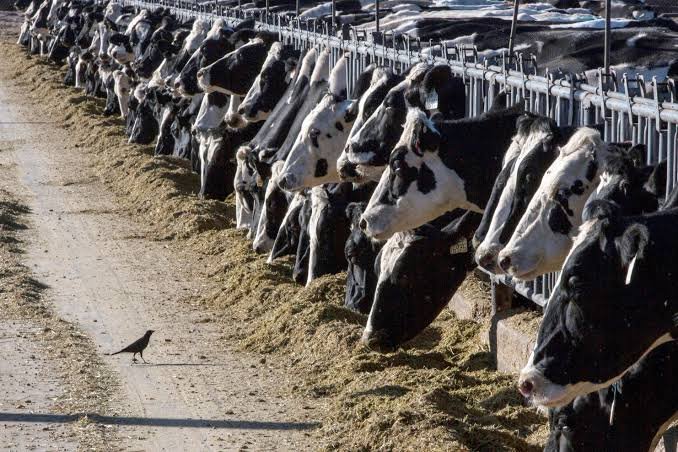
What the outbreak means for dairy workers
H5N1 is primarily an avian influenza virus, but it can infect mammals, including dairy cattle, and occasionally humans. People may become infected through close contact with infected animals or contaminated environments when the virus enters the eyes, nose or mouth.
Potential symptoms in people include eye redness or irritation, fever, cough, sore throat, muscle aches and respiratory illness. The presence of mild symptoms does not eliminate the need for medical assessment after a known occupational exposure.
The immediate risk is concentrated among people who handle infected cattle, work in milking areas or come into contact with contaminated equipment, bedding, milk or animal secretions. Current public-health guidance indicates that the risk to the general public remains low, and there is no evidence of sustained human-to-human transmission in this outbreak.
National surveillance remains important
The United States Department of Agriculture (USDA) confirmed HPAI H5N1 in Washington dairy herds in October 2026, marking the state’s first known detections in cattle. USDA reporting has documented infections in dairy cattle across 19 states since the outbreak began in March 2024. The precise number of currently affected states and the most recent detections should be checked against the live USDA surveillance dashboard because these totals change over time.
Washington’s detections are important because they demonstrate that surveillance and preparedness remain necessary even in states without previously recognised cattle outbreaks. Herd movements, shared equipment, personnel movement and contaminated environments can complicate efforts to contain infection.
Recommended farm-level precautions
Dairy operators and veterinary teams should prioritise:
-
Personal protective equipment (PPE): Use suitable eye protection, gloves, protective clothing and respiratory protection where recommended by occupational-health guidance.
-
Worker monitoring: Encourage workers to report eye irritation, fever or respiratory symptoms after exposure and seek prompt medical advice.
-
Veterinary reporting: Isolate suspect animals as appropriate and contact the herd veterinarian and relevant animal-health authorities.
-
Biosecurity: Review animal movement, milking-equipment hygiene, visitor access and cleaning and disinfection procedures.
-
Milk safety: Use pasteurised milk and dairy products. Do not consume raw milk from potentially infected herds.

