


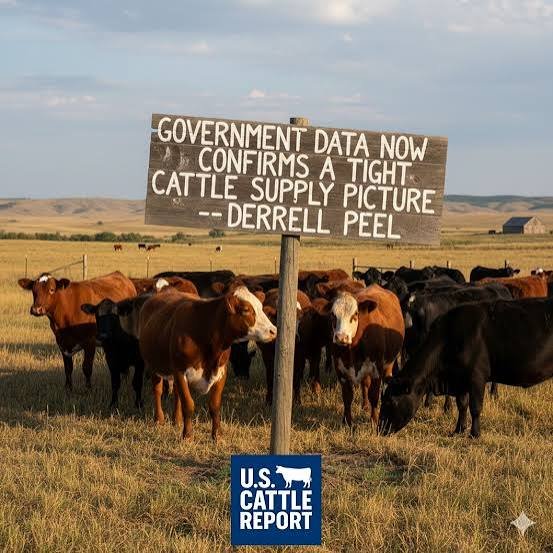
Record-low September placements signal tighter cattle availability ahead
UNITED STATES — October 2026: Cattle entering US feedlots fell sharply in September, with placements down 12% year over year to the lowest September total since the USDA’s monthly series began in 1996. The figures add to evidence of tightness in the US cattle market and could influence fed-cattle availability, slaughter volumes and beef pricing over the coming months.
The US Department of Agriculture’s National Agricultural Statistics Service reported that feedlots with capacity of 1,000 head or more placed approximately 1.78 million cattle and calves during September. That was around 244,000 fewer animals than in September 2025. The data were published in the October 23, 2026, Cattle on Feed report. Source: DTN/Progressive Farmer.
Key figures from the latest report
Indicator |
September/October 2026 result |
Year-on-year change |
|---|---|---|
Cattle and calves on feed on October 1 |
11.372 million head |
Down about 0.4% |
September placements |
1.777 million head |
Down about 12% |
September marketings |
1.524 million head |
Down about 7% |
September placements record |
Lowest September level since the series began in 1996 |
— |
Coverage note: USDA’s Cattle on Feed estimates cover feedlots with capacity of 1,000 head or more; they are not a census of every US cattle operation.
Why lower placements matter
Feedlot placements are a forward-looking indicator of the number of animals that may become available for slaughter after a finishing period. When fewer cattle enter feedlots, the impact on market-ready supplies is not necessarily immediate. It depends on the weight of cattle placed, feeding duration, marketings, animal performance and the availability of cattle outside large feedlots.
The September figures are particularly notable because marketings also declined. Approximately 1.52 million fed cattle were marketed during the month, 7% below the previous year and the lowest September total in the series, according to the report.
The combination of lower placements and lower marketings suggests that the sector is operating with constrained throughput. However, the October 1 feedlot inventory was only slightly below its year-earlier level. The report therefore indicates a tightening supply picture rather than an abrupt collapse in the number of cattle already on feed.
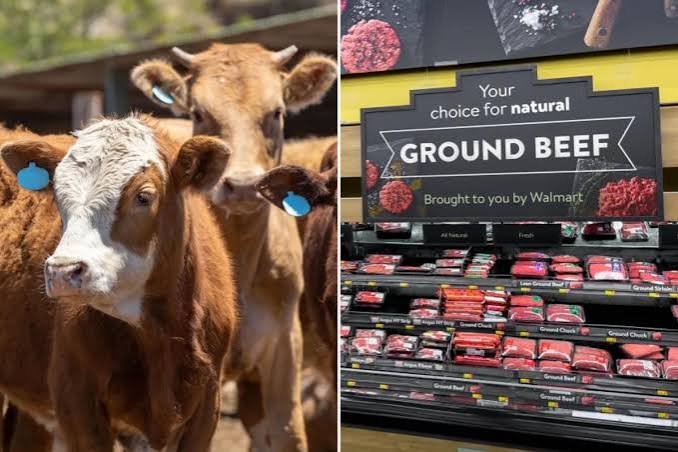
Could beef prices rise through winter and spring?
Lower placements can reduce the number of finished cattle available later, potentially supporting cash cattle prices if beef demand and slaughter capacity remain sufficiently strong. But the timing and magnitude of any price increase are uncertain.
Several variables will influence the outcome:
-
Consumer demand: Higher retail beef prices can weaken demand or shift consumers towards alternative proteins.
-
Feed costs: Corn and other feed prices influence feedlot margins and placement decisions.
-
Carcass weights: Heavier finished cattle can partially offset lower head counts by increasing beef output per animal.
-
Imports and exports: Trade flows affect domestic availability and the value of US beef.
-
Drought and herd rebuilding: Forage availability and cattle-retention decisions can affect the supply pipeline over a longer period.

