HomeLivestockIndia’s Dairy Digitisation Drive Targets 20,000 Cooperative Societies, Strengthening Farmer Payments and...

India’s Dairy Digitisation Drive Targets 20,000 Cooperative Societies, Strengthening Farmer Payments and Milk Testing

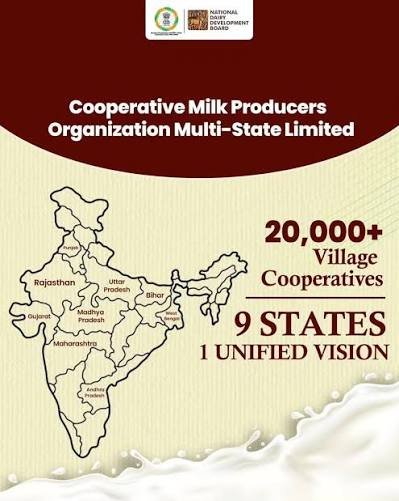
NEW DELHI, 26 October 2026: Plans to connect 20,000 dairy cooperative societies through a technology-enabled milk procurement and payment system could strengthen transparency, traceability and financial inclusion across India’s dairy supply chain.

Rollout involves automated milk-quality testing, computerised weight measurement and direct transfers to farmers’ bank accounts. The initiative is intended to support dairy producers, including women and marginalised farmers, by making procurement transactions more transparent and payments more dependable.

Digitising Milk Procurement at Village Level

Milk collection is the foundation of India’s cooperative dairy model. Farmers typically deliver milk to village collection points, where the quantity and composition of milk help determine the payment received.

Automated systems can record milk volume and quality measurements digitally, reducing manual errors and making transactions easier to audit. Direct bank transfers can also improve payment traceability and reduce dependence on cash-based settlement.

The National Dairy Development Board has previously described its Automatic Milk Collection System as software designed to record milk quantity, quality and fat content, support transparent transactions and facilitate payments to farmers’ bank accounts. That existing framework provides relevant context for the wider digitisation agenda.

The precise implementation schedule, participating cooperative list and final coverage milestones for the 20,000-society plan should be confirmed against the programme’s official rollout documentation.

Why it Matters for Women and Small Dairy Farmers

For smallholders, dairy income often helps meet recurring household expenses and the costs of feed, breeding and animal healthcare. Transparent quality-linked payments can help producers understand how milk composition affects their earnings.

Digitisation can also improve the availability of procurement data for cooperative managers. Better records may support milk-volume forecasting, route planning, payment reconciliation and decisions about chilling and processing capacity.

However, digital systems alone cannot guarantee higher farmer incomes. Benefits depend on accurate testing equipment, maintenance, connectivity, clear grievance mechanisms, accessible bank accounts and fair procurement practices.

Cold-chain Integration is the Next Priority

Digitised collection becomes more valuable when connected to chilling, insulated transport and processing infrastructure. Prompt cooling helps control microbial growth and preserve milk quality, particularly in warm conditions and where transport distances are long.

Integration across collection centres, bulk milk coolers, transporters and processing plants can help cooperatives identify quality issues earlier and reduce avoidable losses.

Outlook

If implemented effectively, the 20,000-society initiative could strengthen the digital backbone of India’s cooperative dairy sector. The key performance measures will be actual societies connected, the proportion of transactions digitally recorded, payment reliability, milk-quality rejection rates and measurable benefits to participating farmers.

Animal Health India Editorial Team
Animal Health India Editorial Teamhttps://animalhealthindia.com
Animal Health India (AHI) is an independent news and intelligence platform covering the global animal health, veterinary, livestock, poultry, companion animal and pet food sectors. Our editorial team comprises veterinary journalists, animal health professionals, regulatory affairs specialists and industry analysts with over 30 years of combined experience covering India, Asia, Europe and North America. AHI publishes news, regulatory updates, market intelligence and company news drawn from primary sources including DAHD, EMA, USDA, AVMA and leading veterinary publications worldwide.

RELATED ARTICLES