HomeLivestockIndia's Few Regions Declared Drought-Affected, Raising Fodder and Dairy Supply Concerns

India’s Few Regions Declared Drought-Affected, Raising Fodder and Dairy Supply Concerns

El-Nino effects are at full play in India’s Livestock sector with key milk producing states declaring drought and staring at extensive green fodder shortages, specially during flush season

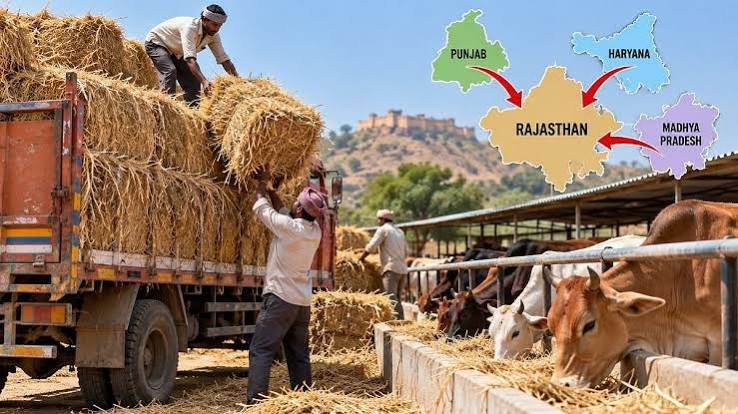
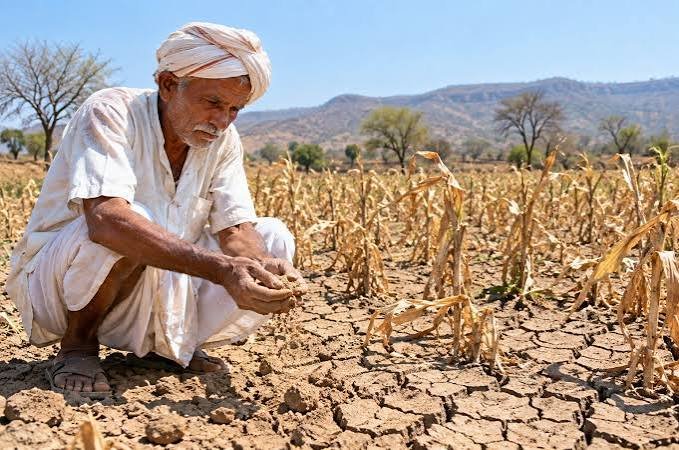
After Maharashtra last week, India’s another western province, Rajasthan has declared 80 tehsils across 14 districts drought-affected following deficient monsoon rainfall, declining water availability and damage to kharif crops. The development raises concerns for livestock owners and dairy farmers who depend on locally available fodder, crop residues and reliable water supplies.

The state’s reported classification places 69 tehsils in the severe drought category and 11 in the moderate category. The declarations followed notifications issued on 24 and 25 October and are intended to remain effective for six months from publication.

Rainfall Deficit and Water Availability

According to figures cited in reporting on the drought declaration, Rajasthan received 350.83 mm of rainfall between 1 June and 30 September 2026, compared with a normal 424.71 mm—a shortfall of 73.88 mm.

The reported drought-affected areas include Jodhpur, Jalore, Barmer, Balotra, Pali, Dungarpur, Jaisalmer, Phalodi, Banswara, Beawar, Churu, Bikaner, Nagaur and Sirohi. The distribution of affected tehsils varies by district, with Jodhpur reporting the largest number.

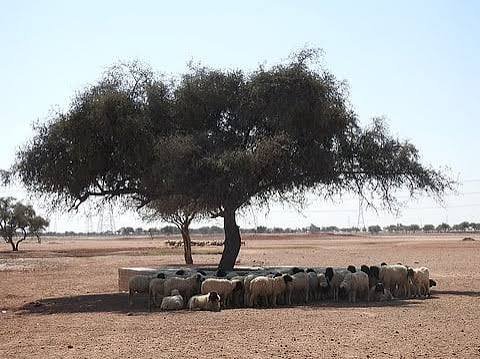
Reduced rainfall can affect crop yields and the availability of agricultural residues used as animal feed. Lower water availability may also increase the cost and logistical difficulty of maintaining livestock, particularly where farmers depend on local water sources and seasonal fodder production.

Why the Dairy Supply Chain Should Monitor the Situation

Dairy production depends on adequate energy, protein, minerals and clean water. When drought reduces feed availability, farmers may need to purchase more expensive concentrates or transport fodder over longer distances.

Feed shortages can affect body condition, reproductive performance and milk yield. Heat stress can compound these challenges by reducing feed intake and increasing animals’ water requirements. However, the extent of any milk-production decline in Rajasthan should be established through field data; a drought declaration does not itself quantify a change in milk collection.

Potential commercial effects include higher feed expenditure, tighter farm margins, changes in procurement volumes and greater demand for locally available feed resources. Dairy cooperatives and processors may need to monitor collection-centre volumes and identify vulnerable procurement areas.

Relief Measures and Immediate Priorities

Reporting on the declaration said the state government intended to establish fodder depots and provide assistance to farmers and livestock owners in affected areas. Implementation details and the availability of relief at individual locations should be checked with the relevant district authorities.

Practical priorities include assessing fodder stocks, identifying alternative feed supplies, maintaining access to clean drinking water and monitoring animals for changes in body condition and production. Feed substitutions should be nutritionally balanced, and mineral supplementation should be based on ration composition and local deficiencies rather than indiscriminate use.

Dairy cooperatives can also strengthen early-warning monitoring by tracking daily milk collection, procurement quality, feed prices and the number of farmers reporting supply constraints.

Outlook

Rajasthan’s drought declaration is an important agricultural and livestock-sector warning. The immediate priority is to ensure water and feed availability while tracking the effects on farm economics and milk procurement.

For the dairy industry, the most useful next indicators will be fodder prices, relief-depot coverage, milk collection volumes, local milk yields and the duration of water shortages. These will help distinguish the direct effects of drought from wider seasonal and market fluctuations.

Animal Health India Editorial Team
Animal Health India Editorial Teamhttps://animalhealthindia.com
Animal Health India (AHI) is an independent news and intelligence platform covering the global animal health, veterinary, livestock, poultry, companion animal and pet food sectors. Our editorial team comprises veterinary journalists, animal health professionals, regulatory affairs specialists and industry analysts with over 30 years of combined experience covering India, Asia, Europe and North America. AHI publishes news, regulatory updates, market intelligence and company news drawn from primary sources including DAHD, EMA, USDA, AVMA and leading veterinary publications worldwide.

RELATED ARTICLES