HomeCorporateDelhi NCR H1N1 Cases Cross 2,300: Hospitals Increase Influenza Preparedness

Delhi NCR H1N1 Cases Cross 2,300: Hospitals Increase Influenza Preparedness

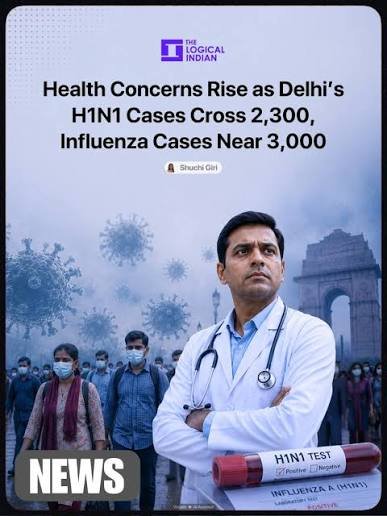
Delhi is seeing a significant increase in seasonal influenza A(H1N1) infections, with 2,308 H1N1 cases reported in 2026 and cumulative influenza A and B infections approaching 3,000, according to statements from Delhi health authorities reported on August 25–26.

The development has prompted heightened preparedness across Delhi hospitals, including dedicated isolation capacity and increased clinical surveillance. Delhi Health Minister Dr. Pankaj Kumar Singh said the situation remained under control and that hospitals had adequate beds, doctors and medicines, while a government review was convened to assess preparedness.

india-delhi-h1n1-cases-cross-2300

Gautam Buddha Nagar reports additional H1N1 activity

In neighbouring Uttar Pradesh, Gautam Buddha Nagar reportedly recorded 105 new H1N1-positive patients within 24 hours, according to local reporting. Hospitals including the District Combined Hospital in Sector 39 and GIMS, Greater Noida, were reported to have increased preparedness and reserved isolation capacity.

The 105-case figure should currently be treated as a media-reported district figure rather than a nationally consolidated surveillance estimate, as I could not locate a corresponding current official Gautam Buddha Nagar surveillance bulletin confirming it.

Why H1N1 deserves attention

H1N1 is now established as one of the viruses responsible for seasonal influenza, rather than being regarded as a separate recurring pandemic disease. Delhi’s own surveillance documentation describes H1N1 as having acquired seasonal-influenza behaviour.

Seasonal influenza typically produces an abrupt onset of fever, cough, sore throat, headache, muscle aches and fatigue. Most people recover without complications, but severe disease can occur, particularly among older adults, young children, pregnant women and people with chronic diseases including diabetes, cardiovascular and respiratory disease.

WHO estimates that seasonal influenza causes approximately 1 billion infections annually worldwide, including 3–5 million cases of severe illness and 290,000–650,000 respiratory deaths.

Early treatment matters in high-risk patients

Antiviral treatment is particularly important for people at increased risk of complications and those with severe or progressive illness. Current CDC guidance states that influenza antivirals work best when initiated within 1–2 days of symptom onset, although treatment can still benefit patients who present later, particularly when illness is severe or the patient is at high risk.

India’s Ministry of Health and Family Welfare clinical protocol identifies oseltamivir as the recommended antiviral for seasonal influenza, with treatment decisions and dosing determined clinically.

Antibiotics do not treat influenza viruses and should not be self-started unless a clinician identifies a bacterial infection or another indication.

Scientific view

The Delhi-NCR situation is best characterised as a substantial seasonal influenza burden requiring surveillance and hospital preparedness, rather than evidence of a new H1N1 pandemic.

The key indicators to watch now are hospitalisations, severe respiratory disease, ICU demand, deaths, positivity rates and geographic spread, rather than case counts alone. Case numbers can rise as testing and surveillance increase and therefore do not, by themselves, measure disease severity.

For India, the episode also reinforces the importance of year-round influenza surveillance, timely diagnosis, vaccination of appropriate high-risk groups and rapid antiviral access, particularly during periods when respiratory-virus activity increases.

Animal Health India Editorial Team
Animal Health India Editorial Teamhttps://animalhealthindia.com
Animal Health India (AHI) is an independent news and intelligence platform covering the global animal health, veterinary, livestock, poultry, companion animal and pet food sectors. Our editorial team comprises veterinary journalists, animal health professionals, regulatory affairs specialists and industry analysts with over 30 years of combined experience covering India, Asia, Europe and North America. AHI publishes news, regulatory updates, market intelligence and company news drawn from primary sources including DAHD, EMA, USDA, AVMA and leading veterinary publications worldwide.

RELATED ARTICLES