



A large Israeli surveillance study has provided an unusually detailed picture of Salmonella epidemiology in commercial broiler-breeder flocks, analysing data from 2008–2018.
The nationwide dataset covered 4,100 flocks across 142 farms and 64,217 environmental test results.
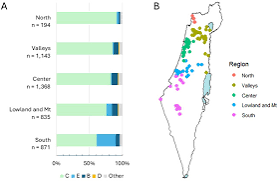
Researchers found that, on average, 29.6% of flocks and 59.6% of farms tested positive for Salmonella at least once annually.
Across the full study period:
-
40.0% of flocks tested positive at least once
-
91.5% of farms tested positive at least once
The researchers described the flock-level rates as comparable with North American and Australian levels but substantially higher than the approximately 2% reported in the European Union.
Serotype shifts are particularly important
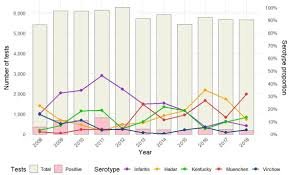
The study also demonstrates that Salmonella control is not static. S. Infantis accounted for 46.3% of isolates in 2011, before falling to approximately 6.7% by 2018 following mandatory vaccination of breeding flocks.
At the same time, S. Muenchen increased from approximately 1.9% in 2008 to 31.7% in 2018, becoming the dominant serotype in the broiler-breeder population. The study links this increase in part to acquisition of the multidrug-resistant pESI megaplasmid.
Why breeder surveillance matters
Broiler breeders sit upstream of commercial poultry production. Consequently, infection control at the breeder level has potential implications for:
Breeder flock → hatching eggs → hatchery → broiler flock → processing → food chain
The study also identified overlap between several major poultry serotypes and human clinical surveillance, reinforcing the One Health relevance of breeder-flock surveillance.
Strategic industry view
The Israeli experience demonstrates why Salmonella management cannot depend on one intervention. Effective programmes increasingly require:
-
Environmental sampling
-
Serotyping
-
Vaccination
-
Biosecurity
-
Flock-level risk assessment
-
Longitudinal surveillance
-
Rapid response to repeated detections

