


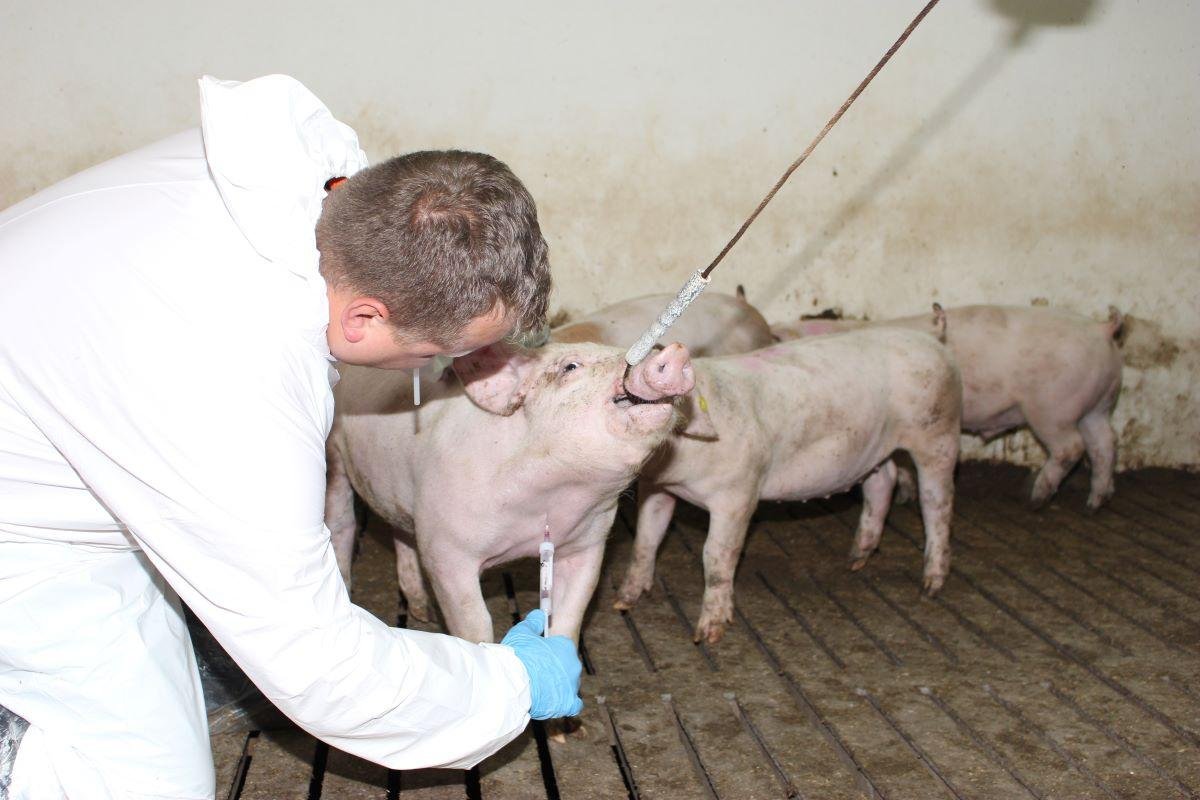
The swine-health diagnostics market is moving toward a new operating model: testing closer to the animal, faster turnaround and potentially faster disease-control decisions at farm level.
That shift was highlighted at the 2026 Animal Health Summit, where ProtonDx received the Emerging Companies Innovation Award for Dragonfly, an on-farm molecular diagnostic platform initially being developed for surveillance of porcine reproductive and respiratory syndrome virus (PRRSV).
According to information presented at the Summit and reported by Swineweb, Dragonfly can move from sample preparation to a result in approximately 40 minutes using a field-based molecular diagnostic process.
The significance goes beyond one diagnostic platform. PRRS remains one of the most economically important diseases in global pig production, while recent surveillance data continue to show substantial PRRSV activity in U.S. swine populations. At the same time, molecular methods have demonstrated very high diagnostic performance in the scientific literature.
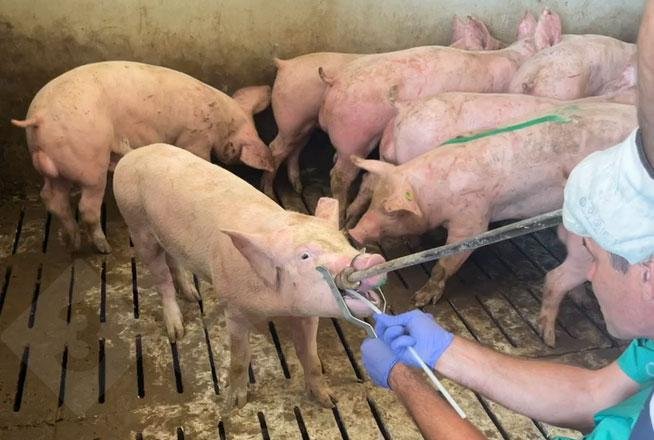
The emerging opportunity is therefore straightforward: If reliable molecular testing can move from the laboratory toward the farm, the time between detecting a problem and acting on it could shrink dramatically.
Why PRRSV Diagnostics Are Becoming a Strategic Priority
PRRS is not simply a respiratory disease problem. The virus can produce reproductive losses in breeding herds and respiratory disease, poor growth and increased mortality in younger pigs. Secondary infections can further increase production losses and treatment requirements.
A 2026 study published in Frontiers in Veterinary Science describes PRRS as a major challenge for swine production and cites estimated annual losses of approximately US$664 million in the United States and €1.5 billion in the European Union.
Those numbers change the economics of diagnostics. A diagnostic test costing tens of dollars may appear expensive when considered as an isolated laboratory service.
The New Development: Molecular Testing Moves Toward the Farm
Historically, PRRS molecular diagnostics have largely depended on collecting samples at farms and transporting them to veterinary diagnostic laboratories. That system remains extremely important.
For example, the University of Missouri Veterinary Medical Diagnostic Laboratory lists PRRSV PCR testing on oral fluids, nasal swabs, blood and multiple tissues, with a stated laboratory turnaround of 1–3 business days.
The University of Minnesota Veterinary Diagnostic Laboratory lists a 24-business-hour turnaround for its PRRS real-time PCR service under standard conditions, with same-day testing available for certain boar-stud monitoring requests. These laboratory systems provide important advantages:
quality control + trained personnel + validated workflows + broader testing capability + sequencing capability.
The emerging on-farm model is attempting to add another advantage: Speed.
Dragonfly’s reported approximately 40-minute sample-to-result workflow represents a potentially important reduction in the diagnostic decision cycle.
The Science Is Moving in the Same Direction
The commercial interest in rapid molecular testing is supported by a growing scientific evidence base. A systematic review and meta-analysis published in Porcine Health Management in January 2026 evaluated 159 studies across three broad diagnostic categories:
Diagnostic category |
Studies |
Samples |
Overall sensitivity |
Overall specificity |
|---|---|---|---|---|
Traditional immunological methods |
55 |
17,359 |
0.93–0.94 |
0.92 |
Molecular amplification methods |
90 |
21,362 |
0.97 |
0.99 |
Convergent technologies |
14 |
1,289 |
0.95 |
0.98 |
The molecular-amplification group also recorded an AUC of 0.9951 and a pooled diagnostic odds ratio of 1,540, higher than the corresponding values for traditional immunological testing and convergent technologies.
The researchers concluded that molecular amplification techniques produced the highest point estimates for sensitivity, specificity and diagnostic accuracy among the three technology categories studied.
That does not mean every rapid molecular test will achieve those numbers. It does, however, strengthen the underlying technological case for molecular diagnostics as a central component of PRRS surveillance.
PRRS Surveillance Data Shows Why Speed Matters
The need for better monitoring is reinforced by the U.S. Swine Disease Reporting System (SDRS). The Swine Health Information Center’s 2026 surveillance reports show that PRRSV activity has remained a significant issue across U.S. production systems.
The January 2026 report recorded 48.5% PCR-positive case submissions in the wean-to-market category, the highest percentage reported in that category since 2018. The SDRS also reported that PRRSV activity increased during parts of 2026, although more recent monthly reports show variation and moderate decreases from some earlier peaks.
What This Means for the Swine Diagnostics Market
The Dragonfly announcement could be an early indicator of a broader shift from centralized testing to distributed diagnostics. The market opportunity extends beyond PRRSV.
Once reliable molecular testing becomes easier to deploy at the farm, the same platform architecture could potentially be adapted to other pathogens. Potential targets include:
-
PEDV;
-
PDCoV;
-
swine influenza A virus;
-
PCV2;
-
Mycoplasma hyopneumoniae;
-
African swine fever virus, where appropriate validated workflows and regulatory requirements permit;
-
other respiratory and enteric pathogens.

