

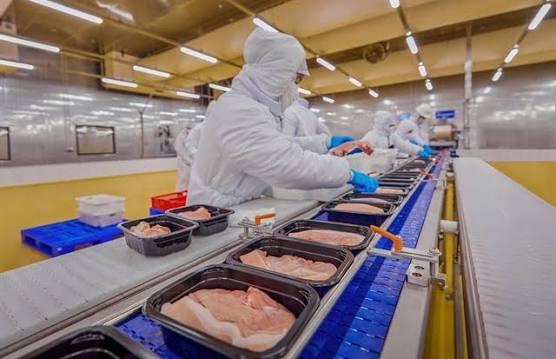
HomeSwineVietnam Prioritises Meat Processing and Livestock Technology After Exceeding Production Targets

Vietnam Prioritises Meat Processing and Livestock Technology After Exceeding Production Targets

Vietnam Accelerates Investment in Meat Processing as Livestock Production Reaches New Milestone

Vietnam is entering a new phase of livestock development after national meat production exceeded earlier government targets, prompting authorities to place greater emphasis on processing infrastructure, advanced production technologies and value-added products.

According to government figures, Vietnam’s total meat production has reached approximately 6.88 million tonnes, comfortably exceeding the earlier national target of 5.5–6.0 million tonnes and bringing the country close to its production objective for 2030.

With production expanding faster than anticipated, policymakers are now focusing on improving efficiency across the livestock value chain rather than simply increasing output.
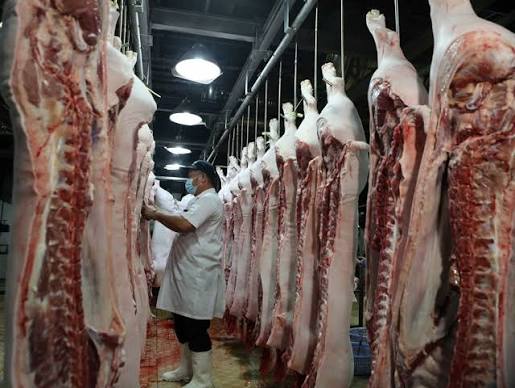
Vietnam's total meat production has reached approximately 6.88 million tonnes
Vietnam’s total meat production has reached approximately 6.88 million tonnes

From Production Growth to Value Creation

Over the past decade, Vietnam has invested heavily in modernising its livestock sector through improved genetics, better nutrition, stronger disease control programmes and greater participation from commercial farming operations.

These investments have helped increase supplies of pork, poultry, beef and other animal proteins while improving productivity across the sector.

As domestic production continues to grow, attention is now shifting towards:

  • Modern meat processing facilities

  • Cold-chain infrastructure

  • Digital livestock management

  • Food safety and traceability

  • Automation and smart farming technologies

  • Higher-value processed meat products

Officials believe these investments will help reduce post-harvest losses, improve product quality and increase competitiveness in both domestic and international markets.


Processing Capacity Becomes the Next Growth Driver

Although livestock production has expanded rapidly, processing capacity has not always kept pace. A significant proportion of meat in Vietnam continues to be sold through traditional distribution channels, limiting opportunities for value addition and export.

Expanding modern processing facilities is expected to deliver several benefits, including:

  • Longer product shelf life

  • Improved food safety

  • Greater product consistency

  • Reduced waste

  • Better market access

  • Higher returns for producers

The shift also reflects changing consumer preferences, with urban households increasingly demanding packaged, chilled and processed meat products that meet modern quality standards.
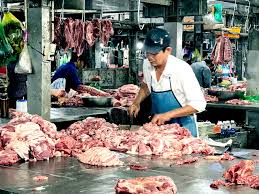
Vietnam's total meat production has reached approximately 6.88 million tonnes
Vietnam’s total meat production has reached approximately 6.88 million tonnes

Technology Takes Centre Stage

Technology is expected to play a central role in Vietnam’s next phase of livestock development. The government is encouraging wider adoption of innovations such as:

  • Precision livestock farming

  • Automated feeding systems

  • Digital herd monitoring

  • Artificial intelligence-based farm management

  • Environmental monitoring

  • Improved breeding technologies

  • Modern slaughterhouse automation

These technologies can improve productivity while helping producers reduce production costs, strengthen biosecurity and enhance animal welfare. For processors, digital traceability systems are becoming increasingly important as consumers and export markets demand greater transparency throughout the supply chain.


Strong Disease Control Supports Industry Expansion

Vietnam’s progress has also depended on continued efforts to strengthen animal disease surveillance and improve veterinary services. Maintaining effective control of major diseases such as African Swine Fever, Foot-and-Mouth Disease and Avian Influenza remains essential for sustaining production growth and protecting farmer confidence.

Industry experts note that continued investment in veterinary infrastructure and biosecurity will be just as important as investment in processing facilities if Vietnam is to achieve its long-term livestock ambitions.


Opportunities for Export Growth

Moving further into processed meat production could also improve Vietnam’s position in regional and international markets. Value-added meat products generally command higher prices than raw meat while offering longer shelf life and easier transportation.

Expanding export-oriented processing facilities may allow Vietnamese producers to diversify beyond the domestic market and access premium markets where food safety, traceability and consistent quality are increasingly important purchasing requirements.


Lessons for Other Asian Livestock Markets

Vietnam’s experience illustrates how livestock industries evolve as production matures. Once output reaches a certain scale, future growth depends less on increasing animal numbers and more on improving efficiency, product quality and supply chain integration.

Countries across Asia are facing similar challenges as rising incomes, urbanisation and changing dietary habits increase demand for safe, high-quality animal protein.

Investment in processing technology, cold-chain logistics, digital agriculture and disease prevention is becoming a defining feature of modern livestock development across the region.


Looking Ahead

With meat production already surpassing earlier national targets, Vietnam’s livestock sector is entering a new stage focused on quality, efficiency and value creation.

Continued investment in processing infrastructure, advanced technologies, biosecurity and modern supply chains is expected to strengthen the country’s competitiveness while supporting sustainable long-term growth.

For the wider Asian livestock industry, Vietnam’s strategy highlights an important trend: future success will depend not only on producing more meat, but on producing it more efficiently, processing it to higher standards and delivering greater value from farm to consumer.

Animal Health India Editorial Team
Animal Health India Editorial Teamhttps://animalhealthindia.com
Animal Health India (AHI) is an independent news and intelligence platform covering the global animal health, veterinary, livestock, poultry, companion animal and pet food sectors. Our editorial team comprises veterinary journalists, animal health professionals, regulatory affairs specialists and industry analysts with over 30 years of combined experience covering India, Asia, Europe and North America. AHI publishes news, regulatory updates, market intelligence and company news drawn from primary sources including DAHD, EMA, USDA, AVMA and leading veterinary publications worldwide.
RELATED ARTICLES